

As we hit February 2026, bridge liquidity is the make-or-break factor for DeFi's next leg up, and Across Protocol is swinging hard with intents-based magic to unify it all. With ACX trading at $0.0402 after a slight 24-hour dip of -0.0248%, the protocol's focus on restaking across bridges positions it perfectly for the liquidity crunch ahead. Stablecoins are splintered across Ethereum, TRON, Solana, and beyond, creating silos that kill efficiency. Across isn't just bridging; it's restaking that liquidity to supercharge yields without the usual security headaches.
I've been swing trading middleware plays for years, and Across protocol restaking screams momentum. Forget clunky liquidity pools; Across uses relayers to fulfill intents at lightning speed and sub-cent costs. This isn't hype; it's production-tested cross-chain firepower that lets you declare 'send USDC to Solana' and watch it happen seamlessly. Pair that with restaking, and you're earning on idle bridge capital while major chains like Ethereum and Polygon roll out 2026 upgrades boosting interoperability.
Across Intents: The Edge in Cross-Chain Restaking
Across stands out as the only live crosschain intents protocol, ditching security tradeoffs for the fastest, cheapest transfers. In a world where Wormhole and Stargate battle it out, Across's design harnesses relayers who compete to execute your intents first, slashing fees and times. For restaking enthusiasts, this means fluid capital movement between L1s and L2s, feeding restaking vaults without lockups or slippage.
Picture this: You restake ETH on EigenLayer, but need liquidity on Solana for a hot yield farm. Across handles the intent, relayers bid to fill it, and your assets arrive mint-fresh. No more waiting days or paying 1% fees. Recent X chatter from @AcrossProtocol nails it: they've rolled out a 1: 1 USDC to USDH bridge with zero slip, priming 2026 as the year intents defragment stables.
Fragmented Stables Meet Restaking Revolution
Stablecoin supply is exploding across chains, but fragmentation is the silent killer. Across's latest blog spells it out: Ethereum, TRON, Solana hoarding USDC and USDT creates interoperability walls. Their push for cross-chain liquidity unification is gold for cross-chain restaking. By restaking bridged assets via protocols like those topping 2026 lists, users auto-earn ETH staking rewards without extra steps.
Practically, deploy restaked LSTs (liquid staking tokens) into Across for instant bridging. Yields compound as relayers post bonds, slashed if they flake, ensuring security. With ACX at $0.0402, it's undervalued against predictions hitting $0.1205 this year. Swing traders, watch for protocol upgrades aligning with Ethereum's 2026 roadmap; that's your entry.
Across Protocol (ACX) Price Prediction 2027-2032
Forecasts driven by cross-chain intents adoption, restaking liquidity solutions, and stablecoin unification amid 2026 market trends
| Year | Minimum Price | Average Price | Maximum Price |
|---|---|---|---|
| 2027 | $0.0950 | $0.1950 | $0.3500 |
| 2028 | $0.1550 | $0.3200 | $0.5800 |
| 2029 | $0.2500 | $0.5200 | $0.9500 |
| 2030 | $0.4000 | $0.8500 | $1.5500 |
| 2031 | $0.6500 | $1.4000 | $2.5500 |
| 2032 | $1.0500 | $2.3000 | $4.2000 |
Price Prediction Summary
ACX is projected to experience substantial growth from its 2026 baseline of ~$0.1205, with average prices climbing to $2.30 by 2032 in bullish adoption scenarios. Minimums reflect bearish corrections (e.g., regulatory hurdles), while maximums capture bull market peaks fueled by restaking and bridge dominance. Overall CAGR ~60% on averages, aligning with small-cap crypto cycles.
Key Factors Affecting Across Protocol Price
- Leadership in intent-based cross-chain bridges reducing fees and boosting speed
- Restaking integrations enhancing TVL and yields across Ethereum L2s and beyond
- Stablecoin defragmentation addressing liquidity fragmentation on chains like Solana/TRON
- Competitive edge over Wormhole/Stargate via security and cost efficiency
- Crypto bull cycles post-2026 upgrades (Ethereum, Solana, Polygon)
- Regulatory clarity on DeFi bridges and potential RWA tokenization boom
- Market cap expansion with rising TVL from $100M+ to multi-billion potential
Disclaimer: Cryptocurrency price predictions are speculative and based on current market analysis. Actual prices may vary significantly due to market volatility, regulatory changes, and other factors. Always do your own research before making investment decisions.
Unlocking Bridge Revenue Models with Restaking
Bridge revenue models evolve fast, and Across leads by tokenizing relayer economics. ACX holders govern, capture fees, and restake for amplified returns. In 2026, as L2s like Polygon and BNB Chain upgrade, DeFi bridge strategies will pivot to intents and restaking stacks. I've timed entries around similar momentum in UMA and Tellor; Across mirrors that with cleaner execution.
Start simple: Bridge stables via Across, restake on native layers, loop back for multi-chain yields. Risks? Minimal, thanks to optimistic verification and bonded relayers. Current market dip to $0.0402 from $0.0413 high is noise; volume signals building liquidity pools for the bull.
Volume on ACX is picking up as relayer networks expand, setting the stage for explosive bridge liquidity 2026 plays. Let's break down how to execute these strategies in real time.
Unlock 2026 Liquidity: Restake LSTs via Across Protocol Loops
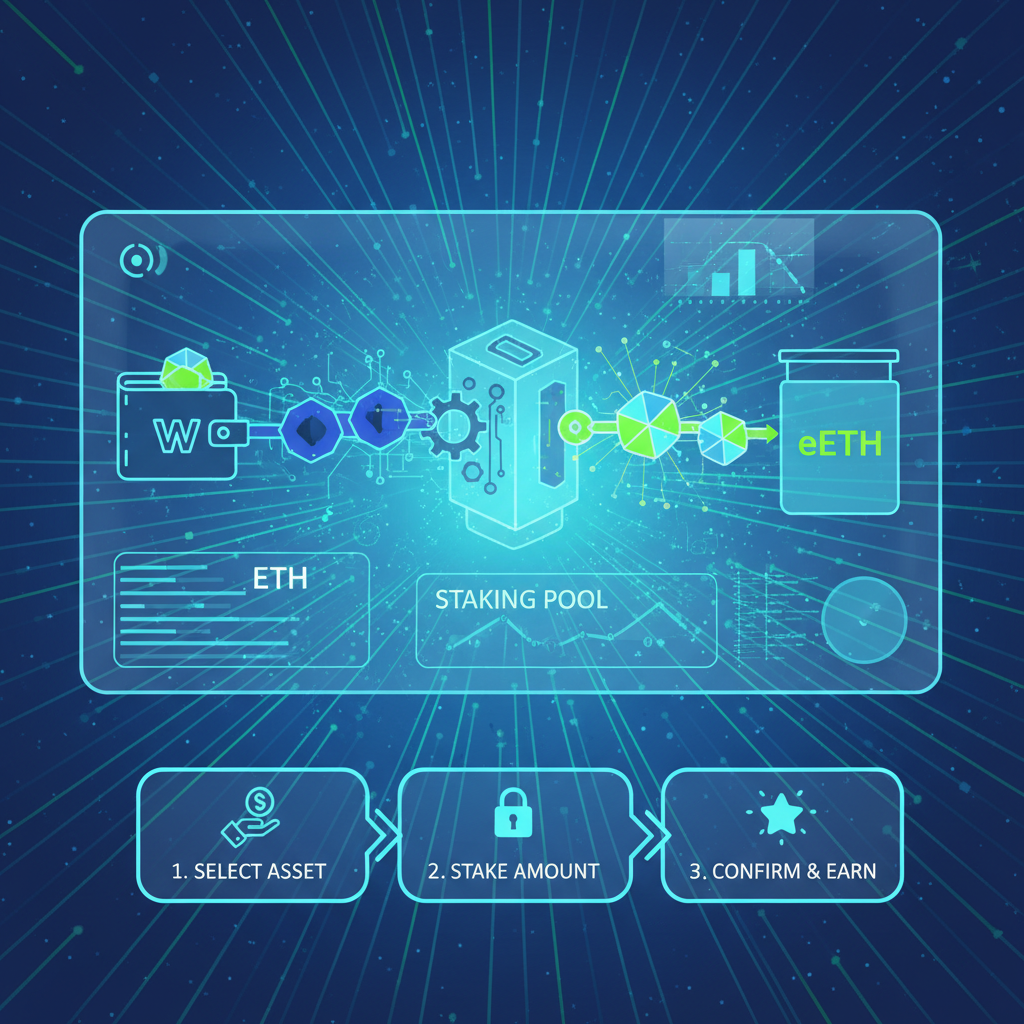
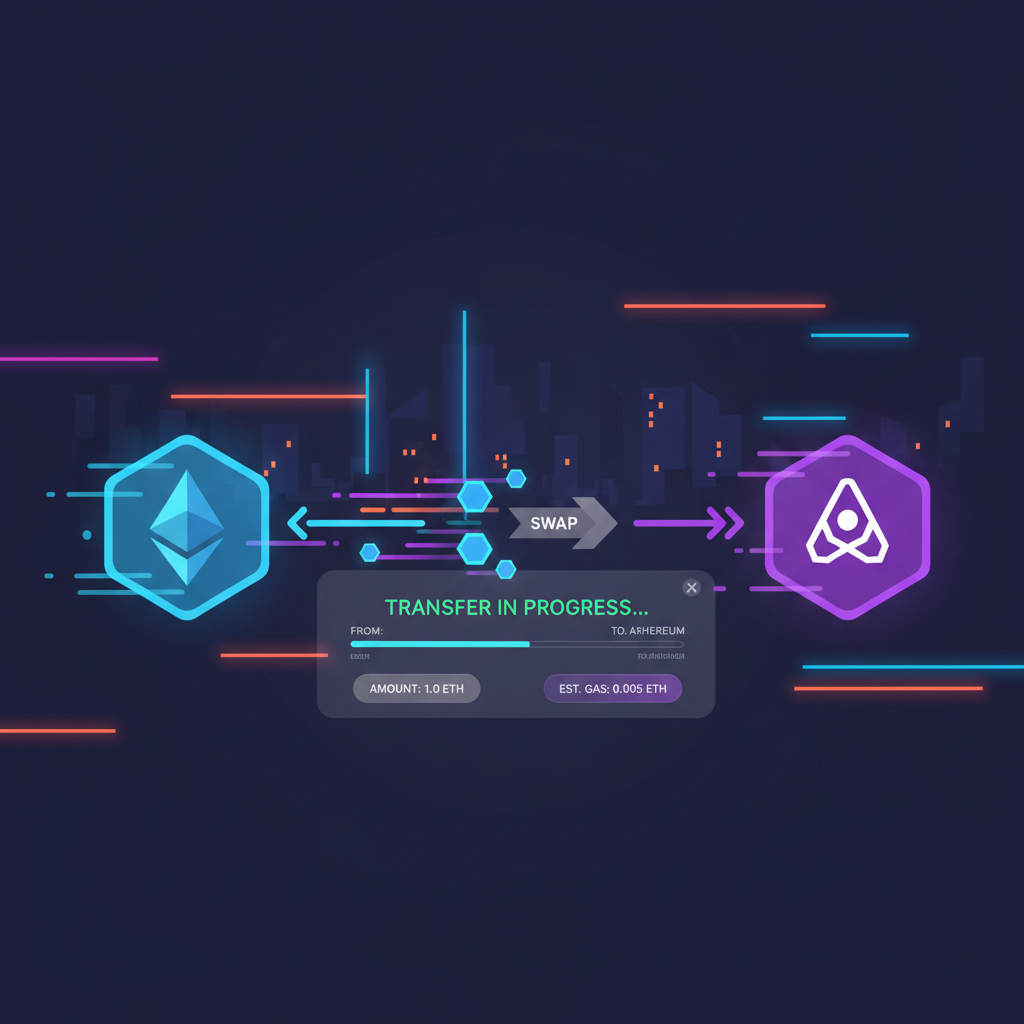
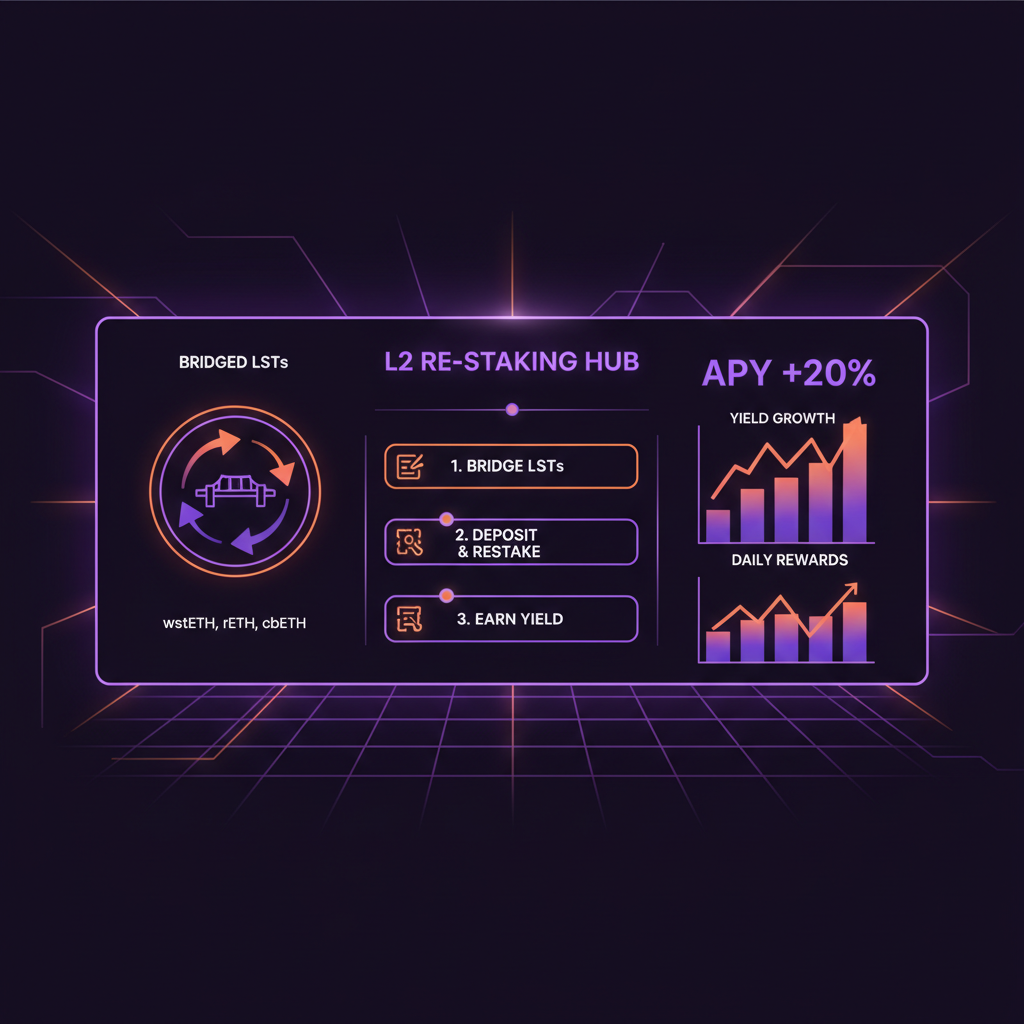
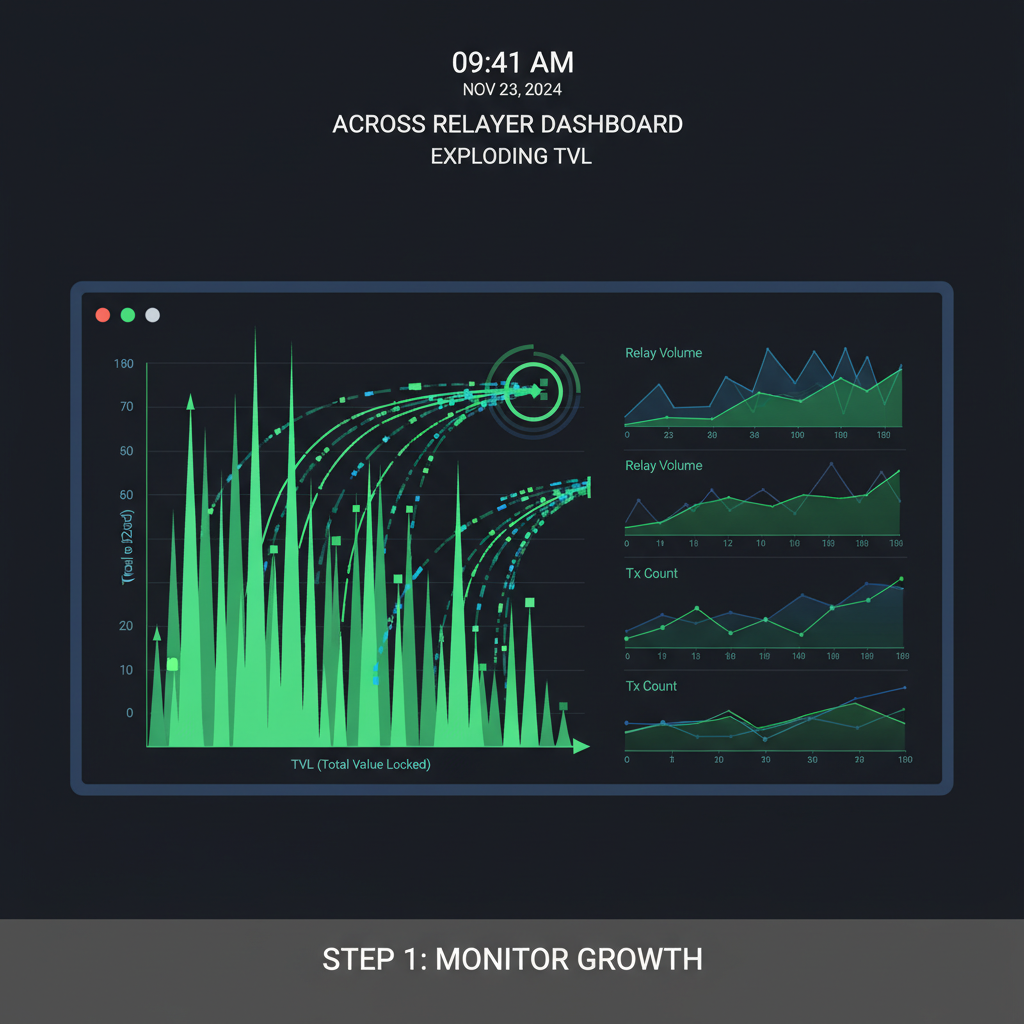
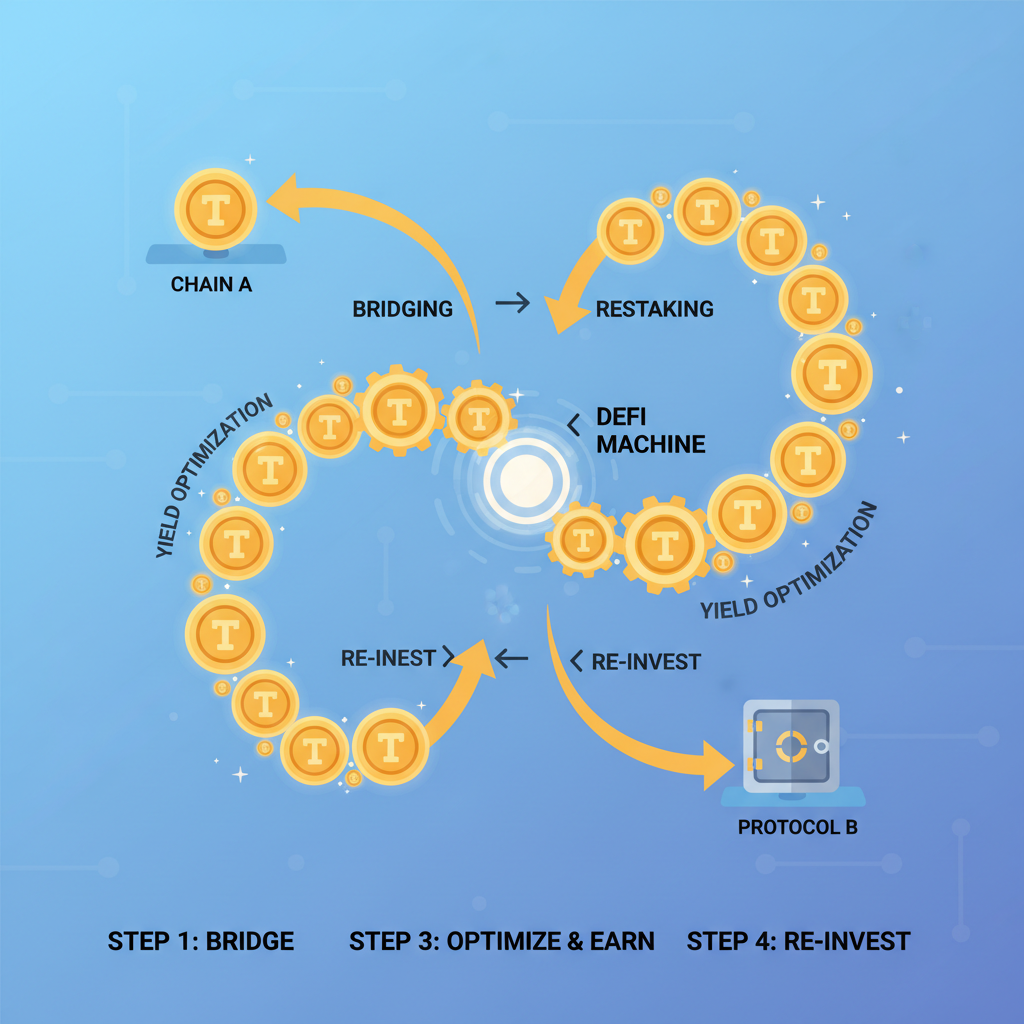
Builders and investors, layer this with upcoming chain roadmaps. Ethereum's Dencun follow-ups and Solana's Firedancer will flood liquidity into intents protocols. Across positions ACX holders to capture that via governance votes on new relayer incentives. At $0.0402, with a 24-hour high of $0.0413, we're at a coiling spring; break above $0.0413 on volume, and targets align with Gate's $0.1205 forecast.
Bridge Revenue Models: Restaking's Multiplier Effect
Dive deeper into bridge revenue models: Across tokenizes relayer competition, where ACX stakers earn from fill fees and bond premiums. Restake those rewards into EigenLayer or Karak for ETH yields, creating a flywheel. Traditional bridges like Stargate pool liquidity statically; Across dynamizes it via intents, boosting efficiency 5x per their docs. In 2026, as stables defragment, expect ACX revenue to surge from cross-chain TVL, now fragmented but converging.
Opinion: Symbiosis and Eco Portal trail on intents maturity. Across's production edge, per 2026 bridge rankings, makes it the restaking hub. Swing traders, stack ACX during these dips; pair with Tellor-like oracle plays for diversified middleware exposure. Risks like chain congestion? Mitigated by optimistic roots, where challenges settle fast on Ethereum.
Across Restaking Wins vs. Traditional Bridges
- Lightning Speed: Fastest cross-chain intents get assets restaked in seconds, not minutes or hours like legacy bridges. (across.to)
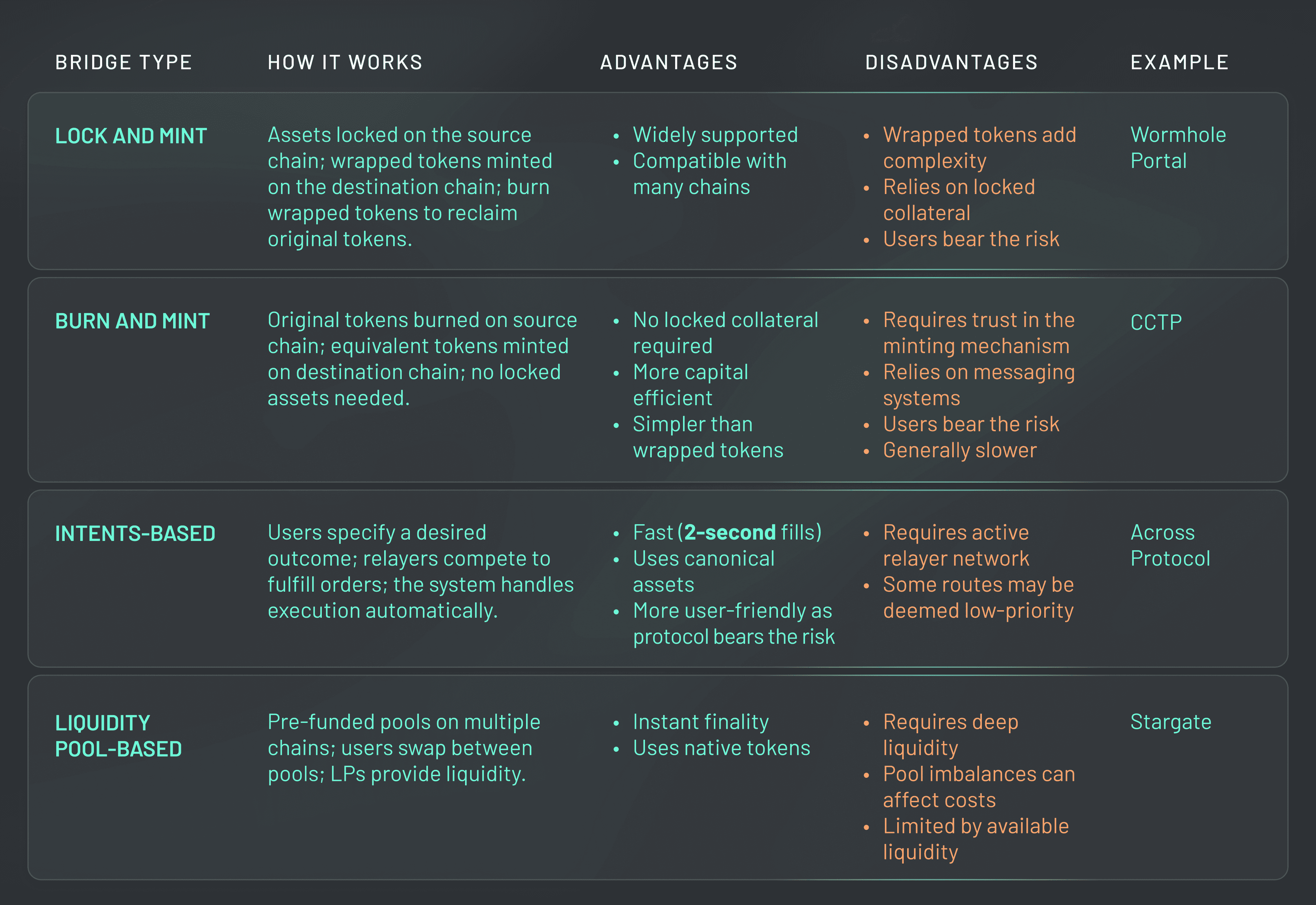
- Ultra-Low Costs: Lowest fees preserve capital for max yield—no gas guzzling on traditional bridges.

- Uncompromised Security: Intent-based design matches native security, zero tradeoffs vs. risky traditional bridges.

- Seamless Yield Compounding: Unified liquidity defragments stables across chains like Ethereum, Solana, TRON for efficient restaking rewards.
Scale this: Protocols like those in BingX's top restaking list auto-compound without lockups. Bridge your eBTC via Across, restake on BNB Chain post-upgrade, rinse. Capital efficiency hits new highs, with ACX governance unlocking fee shares. Current price action at $0.0402 reflects market digestion of stablecoin blog updates; ignore the -0.0248% noise, focus on relayer onboarding trends.
My take after 8 years swinging crypto: Across protocol restaking is the precision play. Enter at $0.0402, trail stops below $0.0386 low, target $0.1205 on Ethereum roadmap catalysts. Swing with the middleware tide; liquidity unification isn't coming, it's here via Across. Position now, compound across chains, and watch DeFi's liquidity revolution unfold.




No comments yet. Be the first to share your thoughts!