

As Ethereum hovers at $2,052.22 amid a 2.55% daily decline from its $2,139.65 high, cross-chain protocols face intensifying pressure to secure interoperability without eroding margins. EigenLayer's restaking infrastructure offers a measured path forward, letting validators extend staked ETH to Actively Validated Services (AVSs) like bridges, oracles, and data availability layers. Yet, in this $15B and TVL ecosystem, bridge restaking demands precision: slashing risks can wipe out gains, and liquidity crunches test even the savviest operators. Drawing from 14 years in risk management, I've seen VaR models falter under correlated failures; here, we adapt them for 2026's EigenLayer bridge restaking realities.
Protocols like Across V4 and Hyperlane exemplify how restaked ETH secures bridge operations, capturing sequencer fees while inheriting Ethereum's validator trust. Liquid restaking tokens (LRTs) from Ether. fi and Puffer Finance add flexibility, but operators must calibrate exposures to avoid over-reliance on points farming hype.
Prioritize High-APY Bridge AVS Allocation
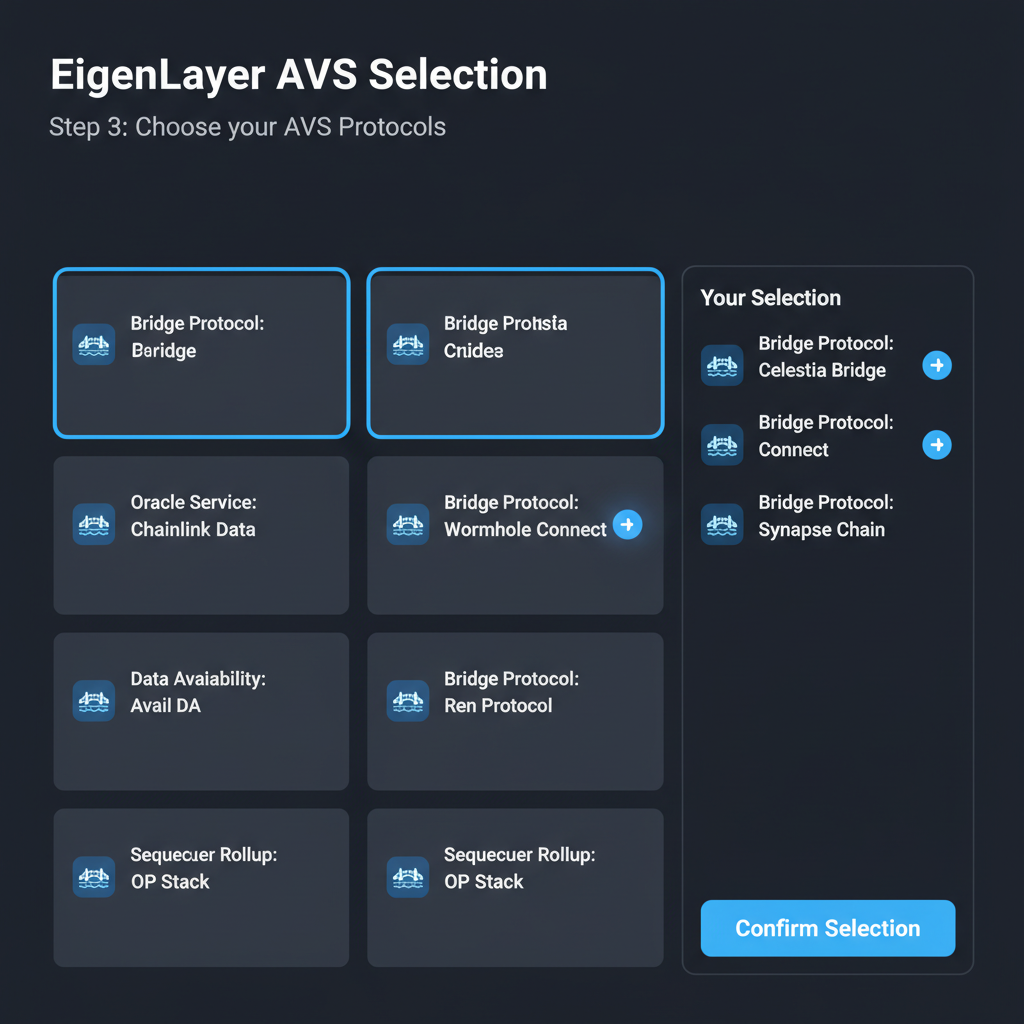
Start with targeted deployment: allocate restaked ETH directly into EigenLayer's bridge-specific AVSs powering Across V4 and Hyperlane. These yield 15-25% projections from 2026 sequencer fees offset by slashing penalties. Caution tempers enthusiasm; my FRM-honed models flag 10-15% VaR spikes during chain congestion. Still, for cross-chain protocols, this beats siloed staking: fees from high-volume transfers compound reliably, provided allocations stay under 40% of total restaked positions to buffer downturns.
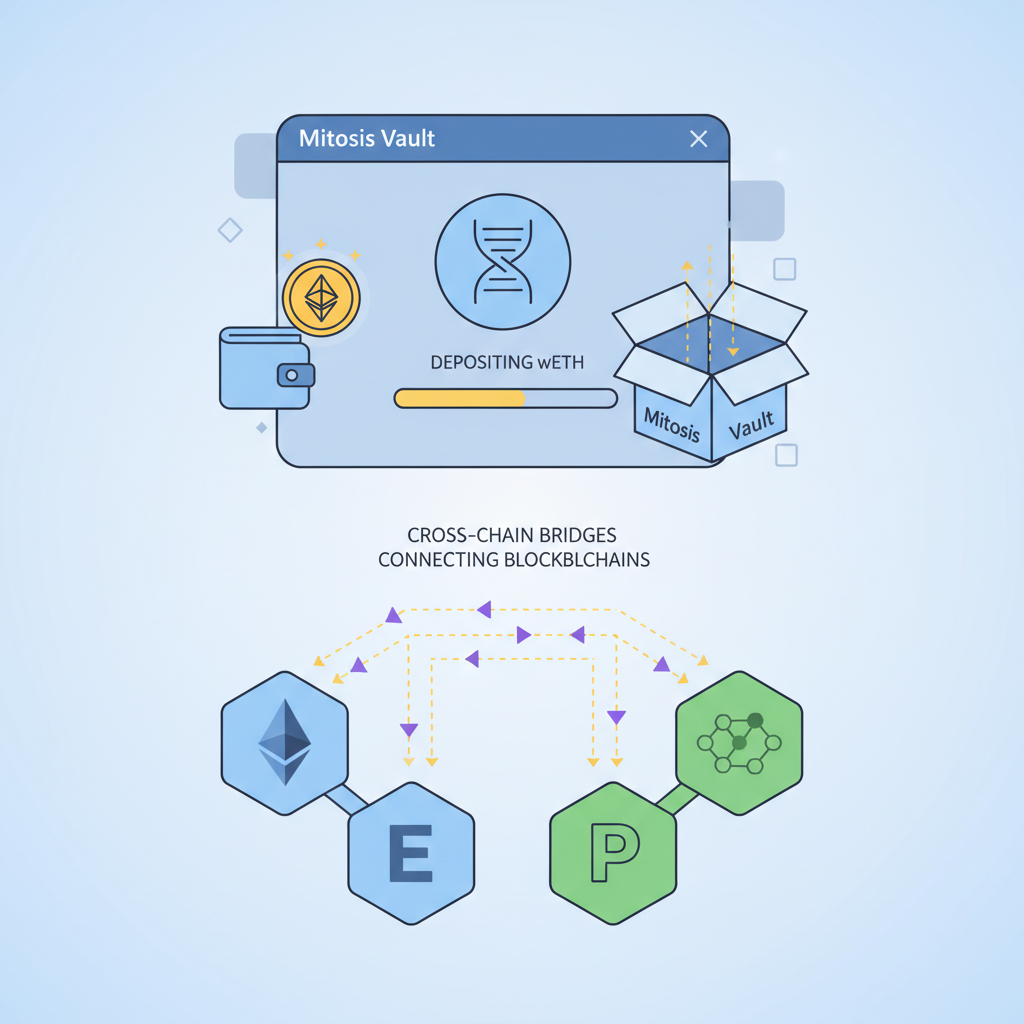
Consider Mitosis integration, where LRTs vaulted for miAssets stack EigenLayer points atop bridge rewards. Yet, liquidity withdrawal delays- sometimes 72 hours- underscore the need for dynamic rebalancing. Protocols ignoring this risk liquidity crunches, as seen in early 2025 pilots.
Integrate Oracle-Enhanced Bridge Restaking
Next, fuse restaking with oracle networks: pair EigenLayer with Chainlink on AVSs for real-time cross-chain price verification. This bolsters bridge security, unlocking 10-15% premium yields from oracle rewards. Oracle restaking creates a flywheel- verifiable data secures bridges, slashing fraud vectors that plagued Wormhole exploits.
In practice, Lagrange-like incentives amplify this: unified pods distribute middleware monetization across stacks. But risks loom; oracle downtime cascades to bridge halts, inflating effective slashing probability to 5-8% under stress. My advice: cap oracle-bridge pairings at 25% portfolio weight, using reputation systems from EKOX to vet operators. This oracle bridge integration isn't speculative- it's a risk-adjusted necessity for 2026's fragmented chains.
Ethereum (ETH) Price Prediction 2027-2032
Predictions based on restaking yields, bridge AVS growth on EigenLayer, and cross-chain integrations from 2026 base price of $2,052.22
| Year | Minimum Price | Average Price | Maximum Price | YoY % Change (Avg from Prev) |
|---|---|---|---|---|
| 2027 | $2,500 | $3,500 | $5,000 | +70% |
| 2028 | $3,200 | $5,000 | $8,500 | +43% |
| 2029 | $4,000 | $7,000 | $12,000 | +40% |
| 2030 | $5,500 | $10,000 | $18,000 | +43% |
| 2031 | $7,000 | $14,000 | $25,000 | +40% |
| 2032 | $9,000 | $20,000 | $35,000 | +43% |
Price Prediction Summary
Bullish outlook for ETH driven by EigenLayer restaking maturation, LRT yields up to 20%, cross-chain liquidity via Mitosis, and shared security AVSs. Average price could reach $20,000 by 2032 amid adoption and DeFi synergies, with min/max reflecting bearish regulatory risks and hyper-bullish market cycles.
Key Factors Affecting Ethereum Price
- EigenLayer TVL stability >$15B and bridge AVS expansion boosting ETH demand
- Liquid Restaking Tokens (e.g., eETH, ezETH) enabling compounded staking + DeFi yields
- Cross-chain integrations like Mitosis for liquidity and multi-chain yield stacking
- Risk mitigation via slashing insurance and validator innovations (e.g., Puffer Finance)
- DeFi ecosystem synergies enhancing capital efficiency and LRT utility
- Market cycles, regulatory clarity, and Ethereum scalability upgrades
- Competition from other restaking protocols balanced by ETH's network effects
Disclaimer: Cryptocurrency price predictions are speculative and based on current market analysis. Actual prices may vary significantly due to market volatility, regulatory changes, and other factors. Always do your own research before making investment decisions.
Leverage EigenDA for Bridge Data Posting
EigenDA emerges as the efficiency play: restake assets to secure data posting for cross-chain bridge proofs, slashing calldata costs by 90% versus traditional rollups. Yields hit 12-20% from DA sampling rewards in 2026's high-throughput era, ideal for DA restaking bridges.
Puffer Finance's validator tickets mitigate slashing here, guaranteeing rewards sans performance ties. Cross-protocols like Hyperlane post proofs via EigenDA, inheriting Ethereum security while operators farm points. Drawback: sampling concentration risks; if 30% of duties cluster on few nodes, correlated failures amplify losses. Employ layered VaR- simulate 99% scenarios with 20% ETH drawdown at $2,052.22- to size positions conservatively, targeting 15% portfolio slice.
Stacking these with LRTs like weETH maintains liquidity, but monitor EigenLayer's operator diversity; below 5,000 active nodes spells trouble for cross-chain bridge yields.
Dynamic collateral demands liquidity without sacrificing security, paving the way for the next strategy.
Implement Liquid Restaking for Dynamic Collateral
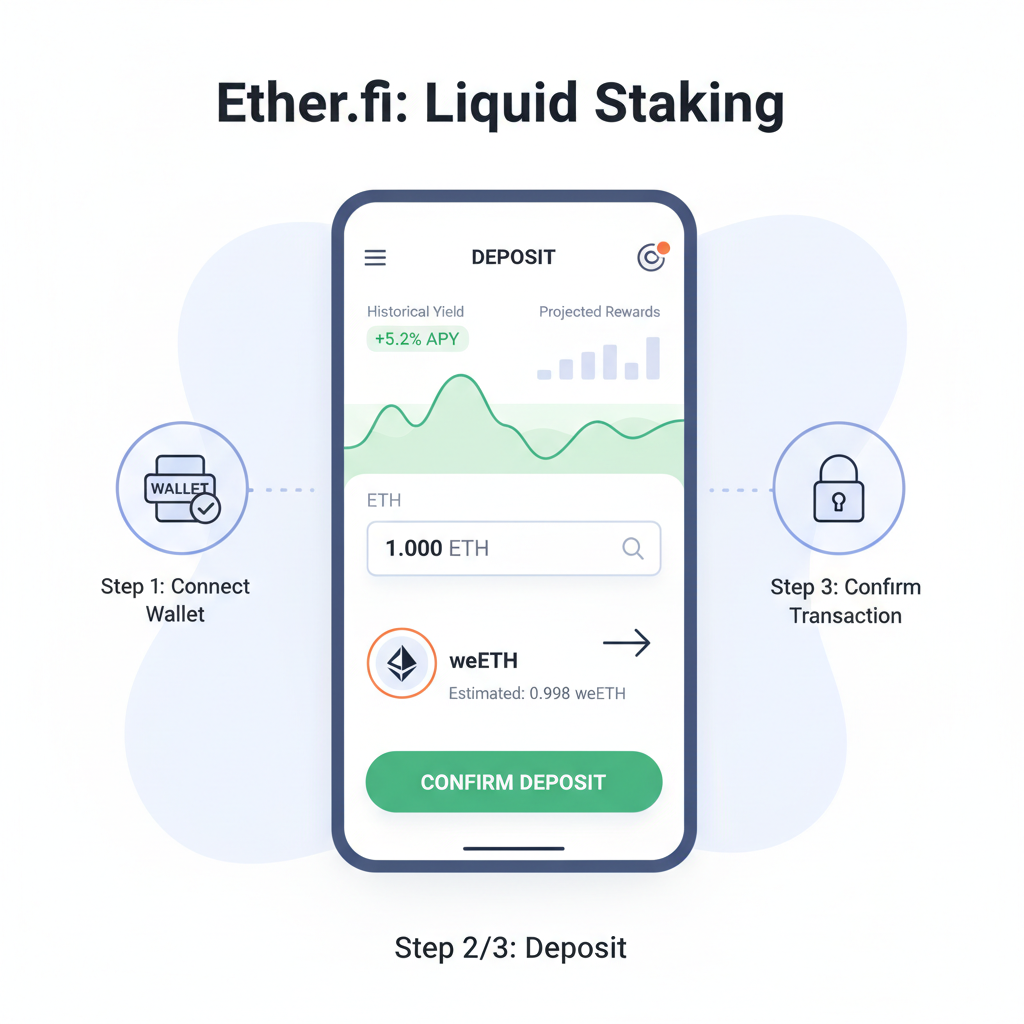
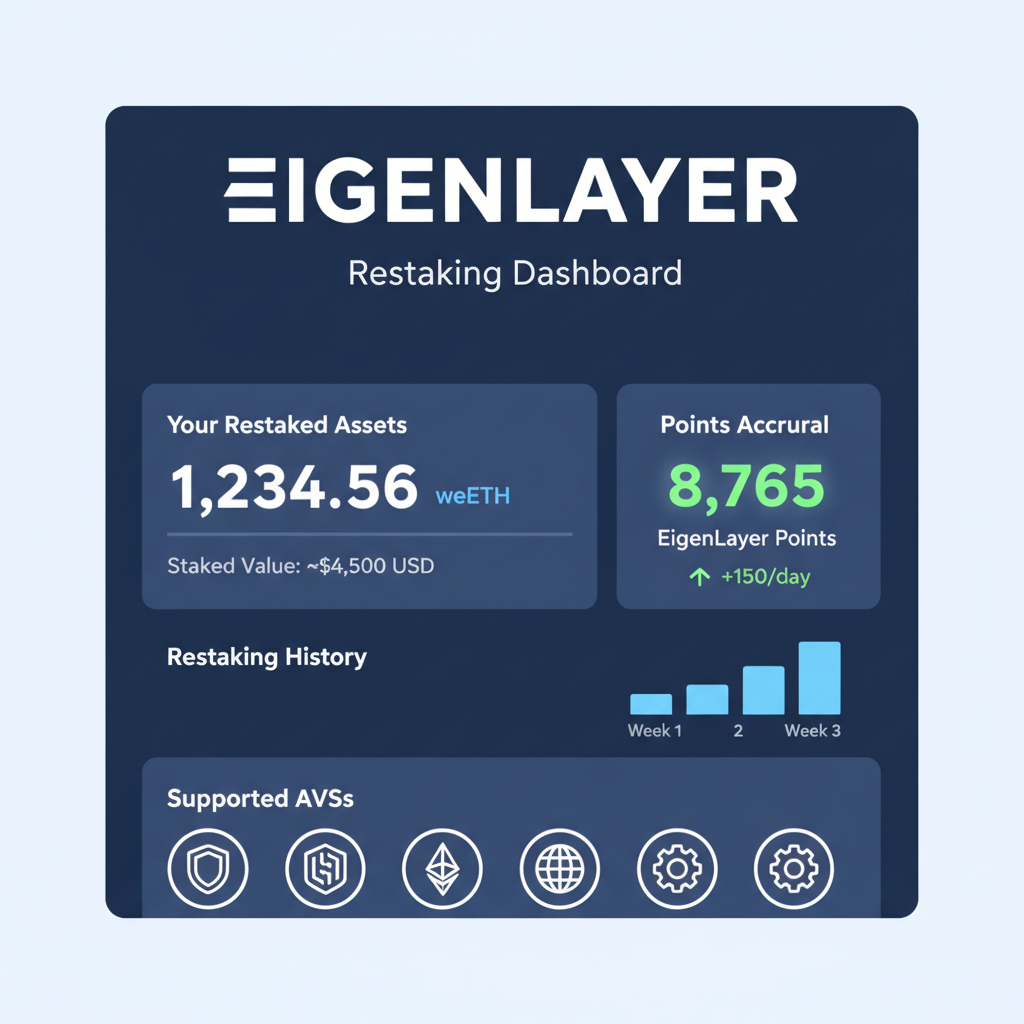
Shift to liquid restaking tokens for bridge operators: restake via LRTs such as Ether. fi's weETH or KelpDAO's rsETH. These provide flexible liquidity, capturing dual yields from EigenLayer bridge restaking points up to 30% APY alongside LST staking. In a market where ETH lingers at $2,052.22 after dipping 2.55% from its $2,139.65 peak, LRTs buffer volatility; operators deploy them as collateral for Across V4 intents without locking capital indefinitely.
Yet caution rules: LRT depegs during slashing events, as modeled in my adapted VaR frameworks, could erode 8-12% of positions. Mitosis vaults convert weETH to miAssets for cross-chain use, stacking yields, but 24-48 hour redemption lags expose gaps. Limit LRT exposure to 20-25% of bridge allocations, rebalancing weekly against ETH's $2,038.39 intraday low signals.
Step-by-Step: Restake ETH to weETH or rsETH for EigenLayer Bridge Collateral


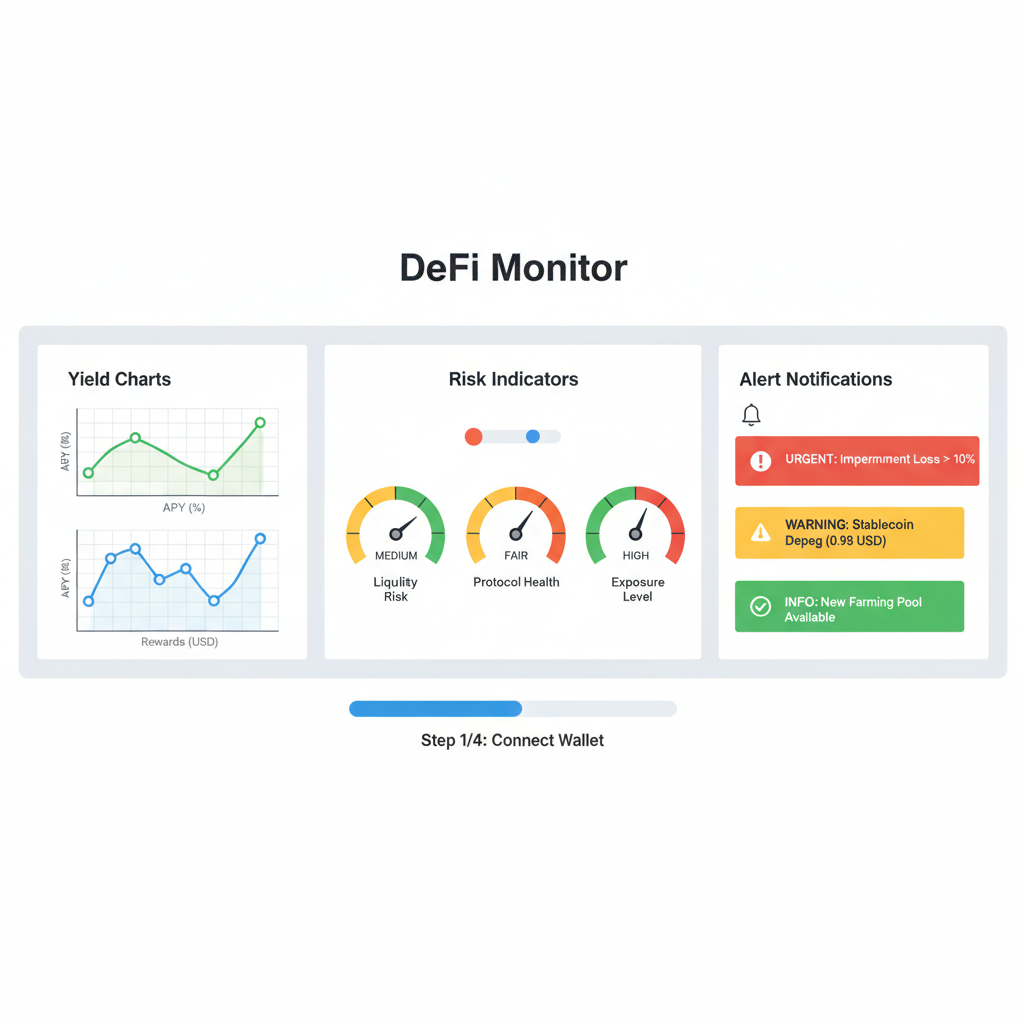
Layered Middleware Restaking Stack
Compound advantages through stacking: layer bridge restaking with oracle and DA AVSs in a unified EigenLayer pod. This setup, incentivized by protocols like Lagrange, compounds yields to 25-35% via shared security flywheels and middleware bridge monetization. Bridges post proofs on EigenDA, verified by Chainlink oracles, all secured by restaked ETH- a trifecta reducing isolated risks.
EKOX's shared security accelerates this for cross-chain protocols, tapping Ethereum validators without bespoke networks. Projections hold at ETH's $2,052.22 level, but layered correlations amplify tail risks; a 2026 oracle outage could trigger 15% portfolio VaR. I've stress-tested these stacks: diversify operators across 7,000 and nodes, capping any single AVS at 15% weight. The flywheel spins reliably here, turning middleware into yield engines.
Risk-Adjusted Points Farming
Finalize with precision farming: allocate 20-30% of restaked portfolios to emerging bridge AVSs with points programs, balancing slashing risks against projected 50x token upside from 2026 launches. EigenLayer's airdrop multipliers reward early adopters, but hype veils liquidity crunches; Puffer's no-slash tickets stabilize base rewards.
At current ETH pricing of $2,052.22, points accrue atop 12-20% DA yields, yet over-allocation invites ruin. My FRM lens prescribes dynamic VaR: simulate slashing at 5% probability with 20% ETH drawdown, trimming exposures if operator diversity dips below thresholds. Hyperlane's points exemplify- high multipliers, but chain-specific failures correlate with bridges. Farm judiciously; this caps downside while positioning for token economics.
Cross-chain protocols thriving in 2026 prioritize these six strategies, from high-APY AVS to risk-adjusted farming. With EigenLayer TVL above $15B and ETH steady at $2,052.22 despite daily pressures, methodical allocation- always under VaR limits- unlocks sustainable cross-chain bridge yields. Operators blending LRT flexibility, layered stacks, and cautious points chase outpace the field, fortifying scalability amid interoperability demands.





No comments yet. Be the first to share your thoughts!