Bridge Restaking on LayerZero: Yield Farming Guide for Cross-Chain Protocols 2026

As we navigate the maturing DeFi landscape of 2026, bridge restaking on LayerZero stands out as a prudent evolution in cross-chain bridge monetization. With EigenLayer’s TVL reaching a record $15.8 billion in March, restaking yields have settled into a stable 3.2% to 4.8% annually, offering reliability over speculative spikes. LayerZero, holding the second spot in bridge rankings at $1.87 billion TVL, connects Ethereum, BSC, Arbitrum, and beyond, posting and 0.8% growth amid market consolidation. This infrastructure, bolstered by ZRO token buybacks from Stargate revenues, signals sustainable value accrual for long-term holders.

LayerZero’s Infrastructure Edge in Middleware Restaking 2026
LayerZero’s ascent reflects a broader shift toward resilient middleware. Spanning over 165 blockchains via Ultra Light Nodes and Decentralized Verifier Networks (DVNs), it powers $70 billion in Stargate volume, with Tether’s USDt0 adoption via the Omnichain Fungible Token standard reducing stablecoin fragmentation. ZRO trades at $2.50, up 4.17% in the last 24 hours from a low of $2.40, underscoring investor confidence amid EigenLayer’s 93.9% restaking dominance.
From a macro perspective, this setup prioritizes DeFi bridge security through DVN staking, where projects restake tokens to verify omnichain messages. Unlike hype-driven narratives, LayerZero’s monthly ZRO buybacks; $1.2 million from $2.4 million Stargate revenue in late 2025; demonstrate revenue alignment with tokenomics. Operators benefit from multi-service participation, echoing EigenLayer’s AVS model, yet tailored for cross-chain demands.
Build for cycles, not hype; LayerZero embodies this by layering restaking atop proven interoperability.
Mechanics of Restaking to LayerZero DVNs
Restaking on LayerZero diverges from Ethereum-centric models by securing DVNs, a verification marketplace for omnichain messaging. Users stake tokens directly to these networks, earning LayerZero restaking yields while bolstering bridge integrity. This framework, highlighted in recent analyses, enables liquid restaking tokens like Kernel DAO’s rsETH to convert LSTs for compounded returns, mirroring Renzo’s ezETH at up to 12.07% APY.
Core to this is slashing protection: DVNs penalize misbehavior, ensuring operators maintain uptime across chains. In practice, restakers deposit ETH or LSTs into LayerZero protocols, receiving LRTs for DeFi composability. Yields derive from verification fees and EigenLayer-style points, stabilized by EigenLayer’s $15 billion TVL benchmark. Risks loom in correlation failures or chain-specific volatility, demanding diversified exposure over aggressive farming.
Reflecting on two decades in markets, I view this as capital efficiency without excess leverage. LayerZero’s and 0.8% TVL growth trails Wormhole’s $2.45 billion but outpaces in chain diversity, positioning it for enduring middleware restaking 2026 adoption.
Optimizing Yields Through Cross-Chain Strategies
Yield farming via bridge restaking LayerZero hinges on LRT deployment across Stargate pools and DVN stakes. Start with liquid stakers like those topping 2026 lists; convert to rsETH or equivalents; then allocate to high-uptime DVNs for base yields of 3.2%-4.8%, layering DeFi incentives. Protocols like Symbiotic complement EigenLayer, but LayerZero’s omnichain focus amplifies cross-chain alpha.
ZRO at $2.50 benefits holders through buybacks, enhancing restaking economics. Sophisticated farmers compound via L2 integrations, yet I caution: unbonding periods and audit scrutiny remain paramount. Top DeFi platforms in 2026 emphasize restaking options with step-by-step safety, aligning with my emphasis on yield stability.
LayerZero (ZRO) Price Prediction 2027-2032
Conservative estimates based on TVL growth, ZRO buybacks, restaking integrations, and cross-chain adoption trends from 2026 baseline ($2.50 current price)
| Year | Minimum Price | Average Price | Maximum Price | Avg YoY % Change |
|---|---|---|---|---|
| 2027 | $3.50 | $5.00 | $7.50 | +43% |
| 2028 | $5.00 | $7.50 | $11.00 | +50% |
| 2029 | $6.50 | $10.00 | $14.50 | +33% |
| 2030 | $8.00 | $13.00 | $19.00 | +30% |
| 2031 | $10.50 | $17.00 | $25.00 | +31% |
| 2032 | $13.50 | $22.00 | $33.00 | +29% |
Price Prediction Summary
ZRO is projected to experience steady appreciation from 2027-2032, driven by LayerZero’s TVL expansion (currently $1.87B), monthly token buybacks from Stargate revenue, OFT standard adoption by stablecoins like USDT, and restaking synergies with EigenLayer. Average prices rise from $5.00 to $22.00, reflecting ~35% CAGR amid bull/bear cycles, with min/max capturing conservative bearish corrections and optimistic adoption surges.
Key Factors Affecting LayerZero Price
- LayerZero TVL growth surpassing competitors like Wormhole amid cross-chain boom
- Ongoing ZRO buybacks from $70B+ Stargate volume revenue
- Restaking integrations via DVNs and EigenLayer (TVL $15.8B)
- OFT standard adoption enhancing liquidity in $185B stablecoin market
- Market cycles: post-2026 bull consolidation, 2028-2029 altcoin season potential
- Regulatory clarity for bridges/interoperability
- Competition risks balanced by 165+ chain connections and yield farming trends
Disclaimer: Cryptocurrency price predictions are speculative and based on current market analysis.
Actual prices may vary significantly due to market volatility, regulatory changes, and other factors.
Always do your own research before making investment decisions.
LayerZero’s integration with restaking protocols like EigenLayer extends beyond mere yield chasing, fostering a ecosystem where cross-chain bridge monetization aligns with operator incentives. With ZRO holding steady at $2.50 after a 4.17% daily gain, the protocol’s revenue-backed buybacks provide a buffer against volatility, much like the slashing mechanisms that enforce DeFi bridge security.
Step-by-Step Yield Optimization on LayerZero
LayerZero Bridge Restaking: Conservative Yield Farming Steps for 2026
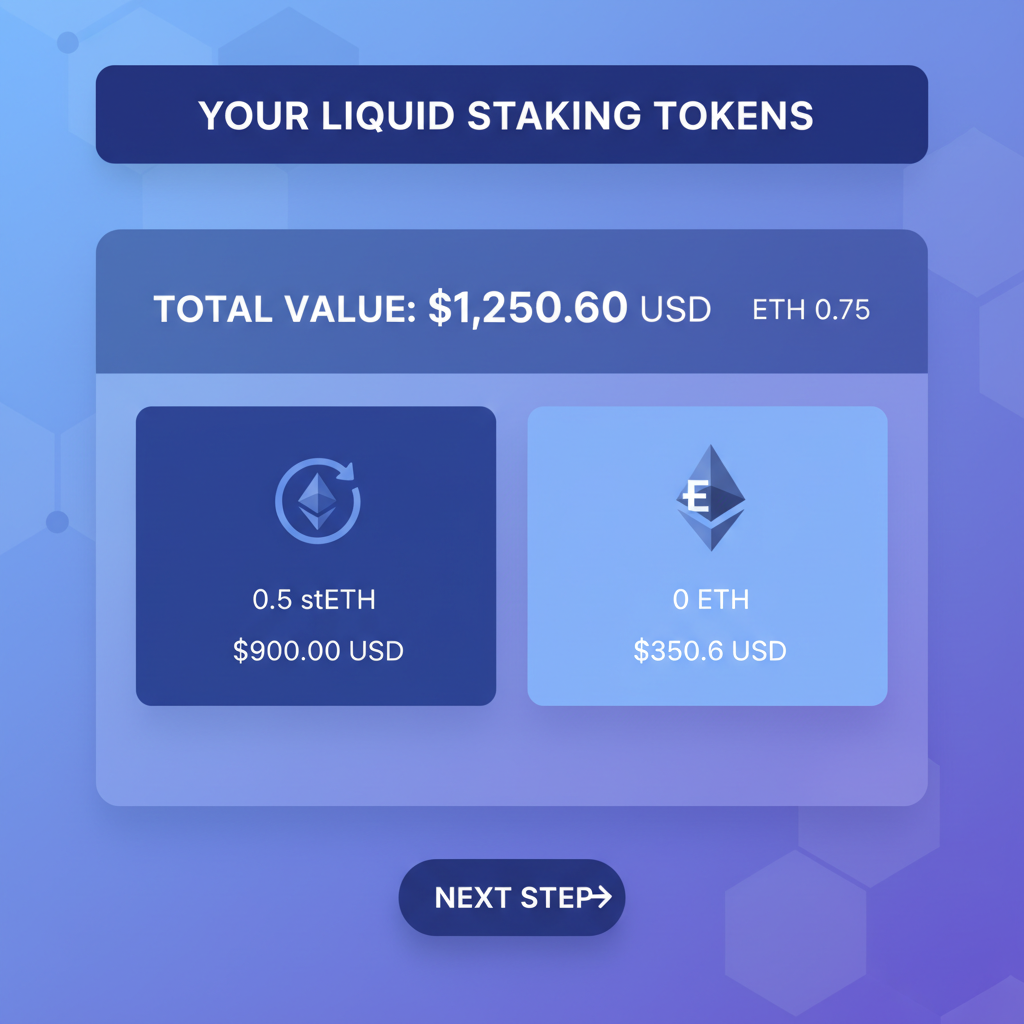
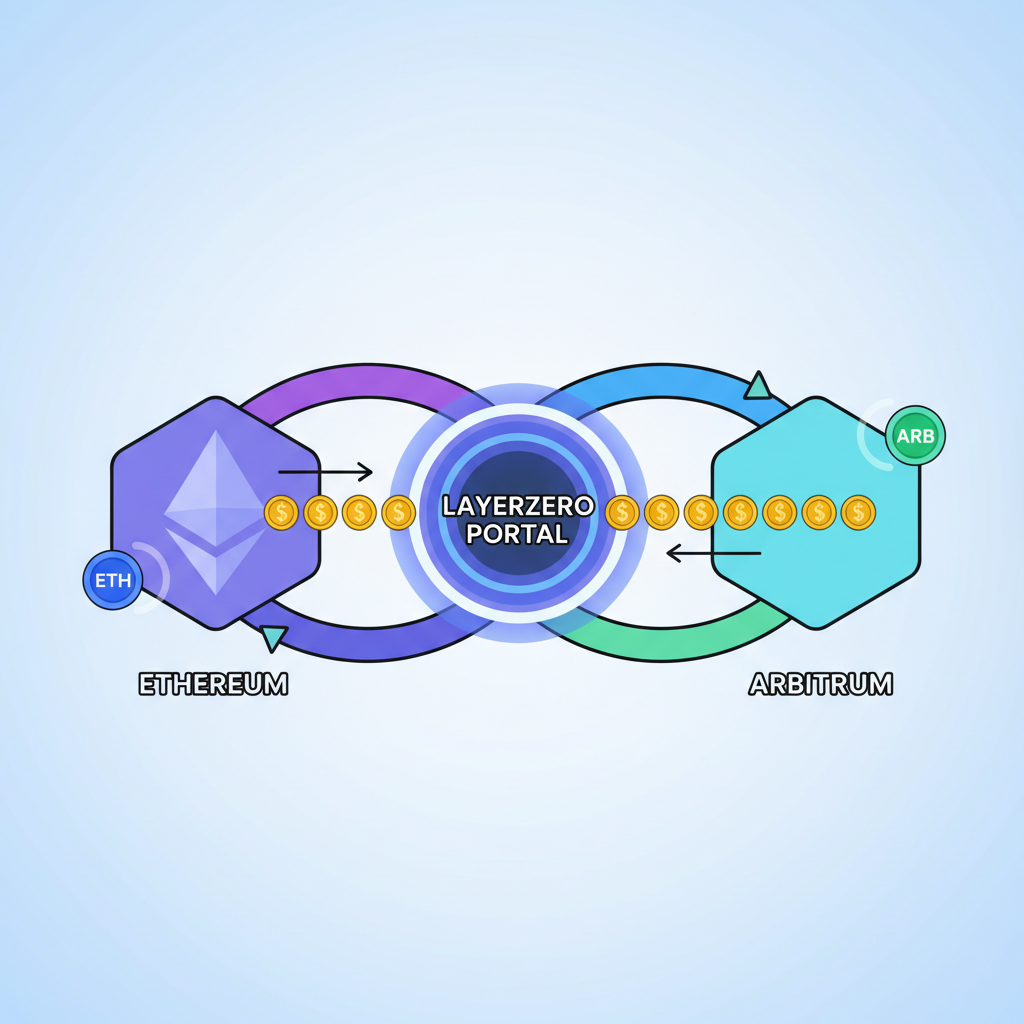
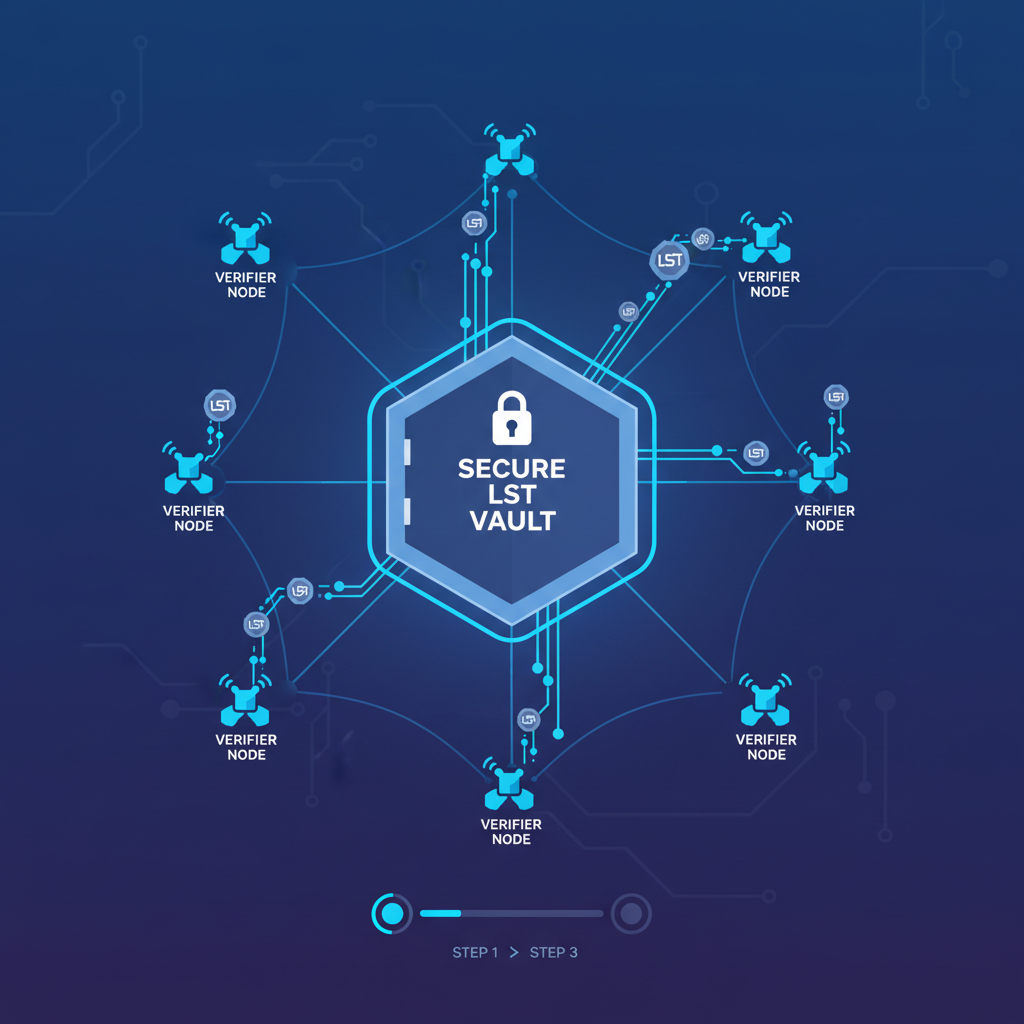
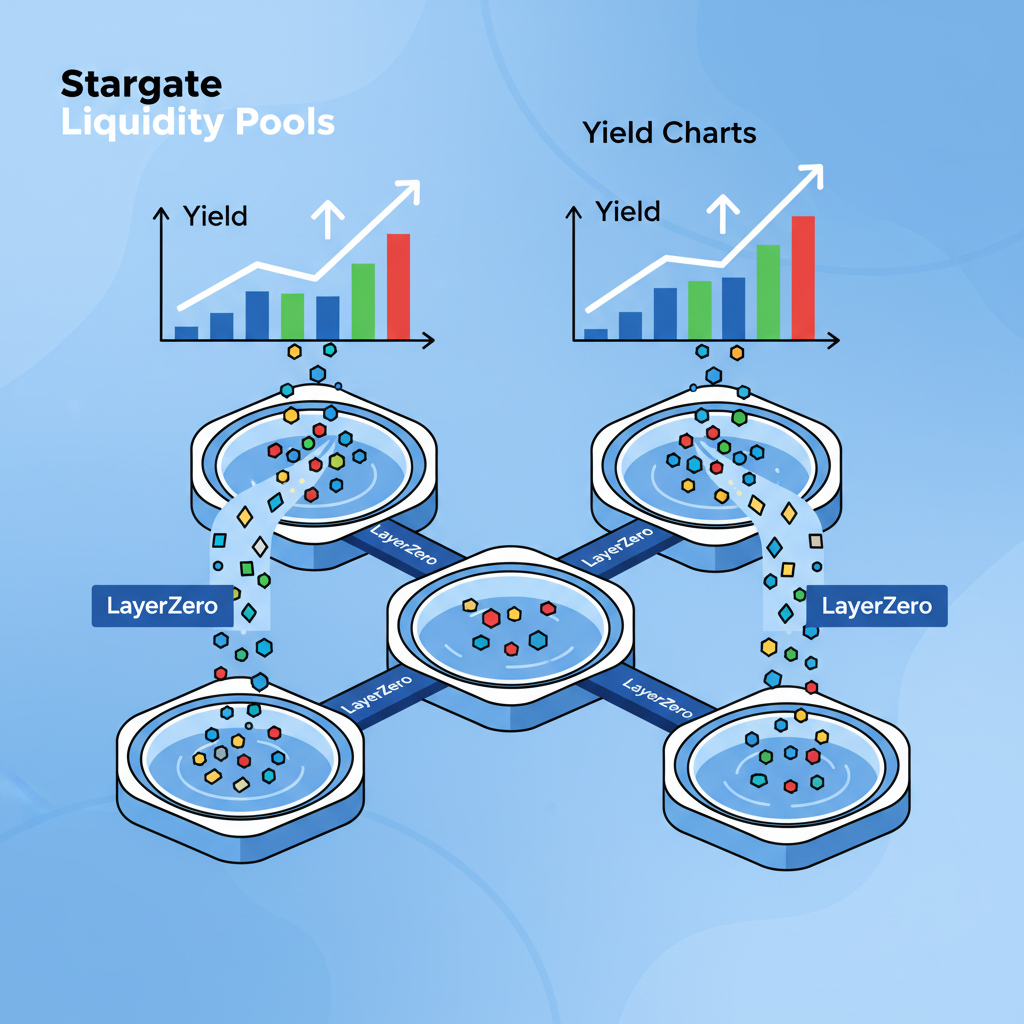
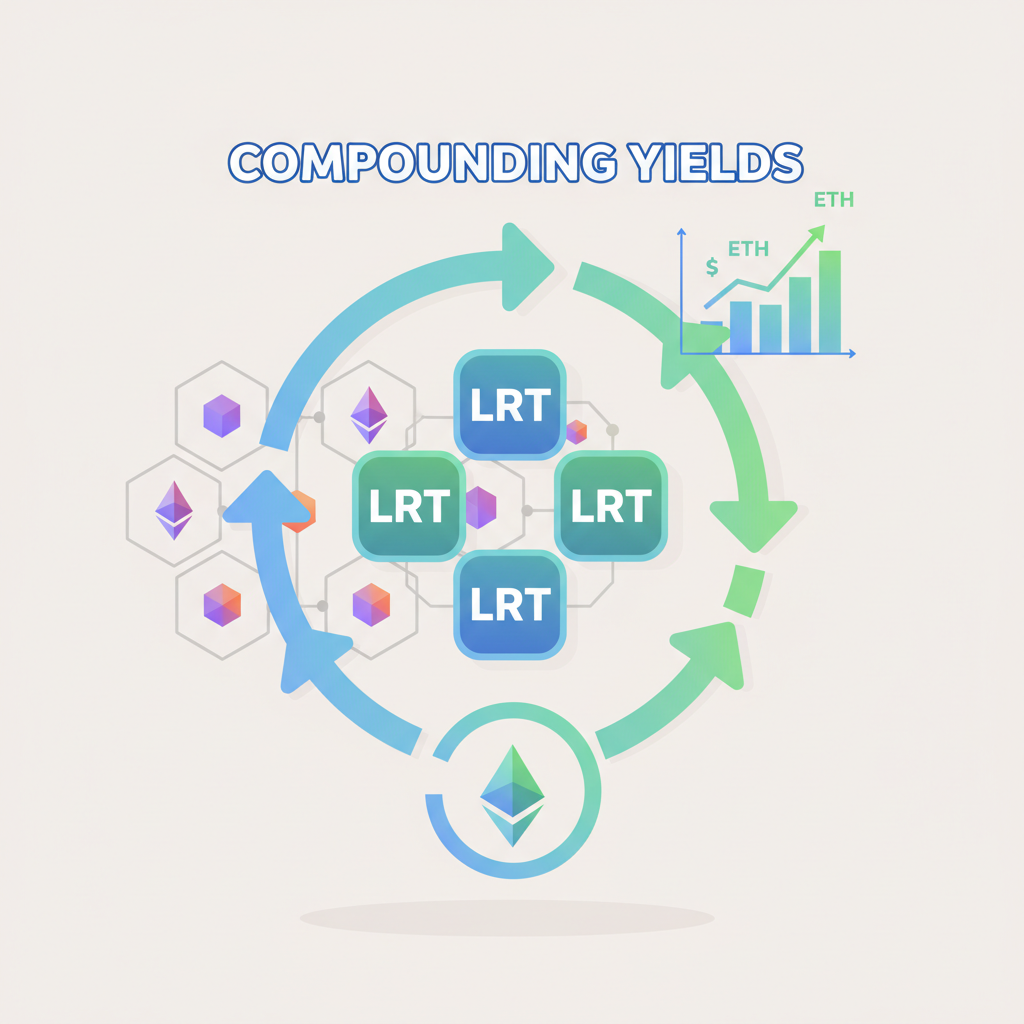
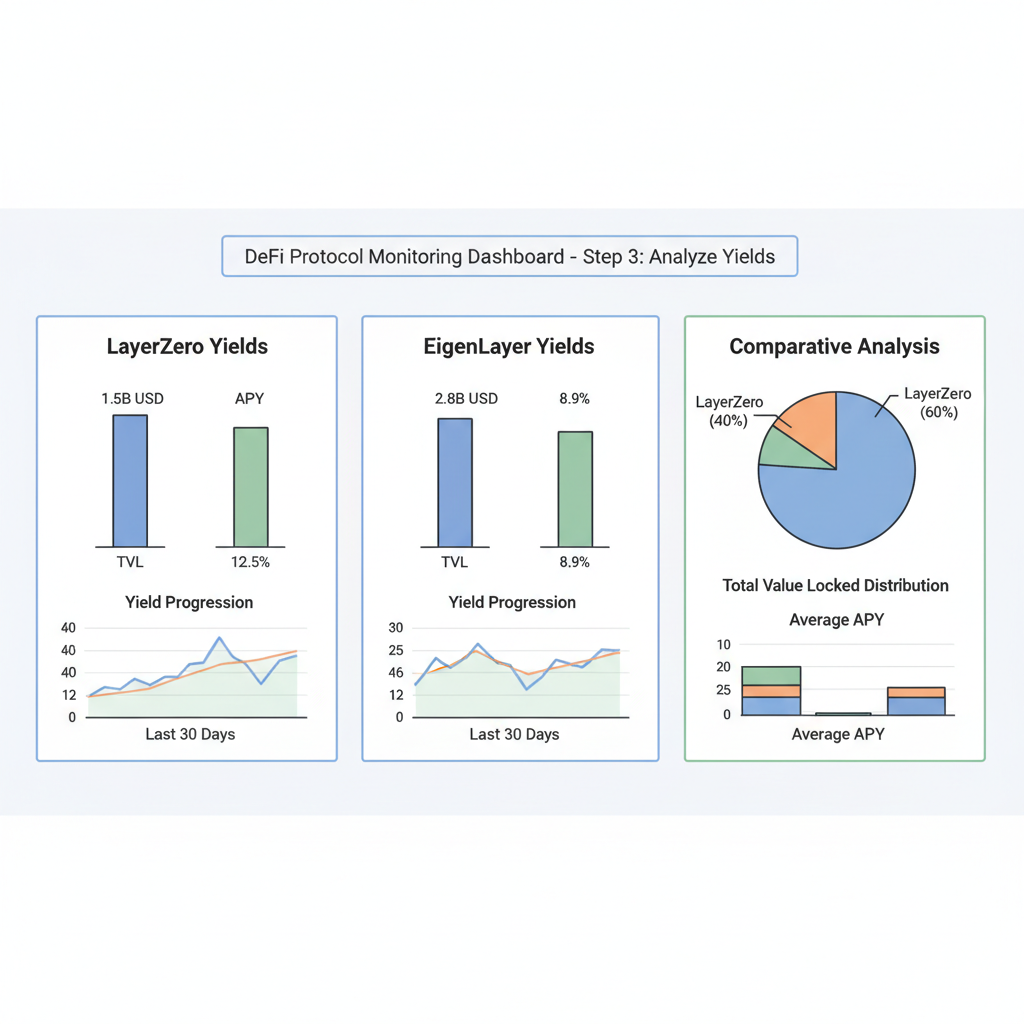
Implementing these strategies requires measured execution. Begin by assessing your LST holdings against 2026 benchmarks, where tokens like rsETH from Kernel DAO offer seamless conversion paths. Deposit into DVNs for verification rewards, then bridge via Stargate to capture cross-chain fees. This layered approach can push effective APYs toward 8-10% when combined with stable restaking baselines of 3.2%-4.8%, but only if uptime exceeds 99.5% thresholds.
From my vantage as a CFA charterholder tracking cycles since the early 2000s, the allure of compounded returns must temper with realism. LayerZero’s $1.87 billion TVL, trailing Wormhole yet growing at 0.8%, underscores a deliberate pace. Operators juggling AVS-like services on DVNs mirror EigenLayer’s model, but cross-chain exposure introduces nuanced risks like oracle divergences or chain halts.
Yield stability hinges on diversification: allocate 40% to core DVN staking, 30% to Stargate liquidity, and 30% to LRT DeFi positions. ZRO’s $2.50 price point, bolstered by $1.2 million buybacks, enhances this without overpromising. Avoid overleveraging; unbonding delays on platforms topping Coin Bureau’s 2026 lists can span weeks, eroding gains in downturns.
Risks and Safeguards in Bridge Restaking
Restaking’s promise carries shadows. DVN misbehavior triggers slashing, potentially 5-20% of staked value, demanding rigorous operator vetting. LayerZero’s omnichain scope amplifies smart contract vulnerabilities across 165 chains, where a single exploit could cascade. EigenLayer’s dominance at $15.8 billion TVL sets a security standard, yet LayerZero restakers must prioritize protocols with proven audits and insurance wrappers.
Correlation risks loom large: ETH volatility at restaking’s core propagates to ZRO at $2.50 and bridge TVLs. My macro lens favors positions resilient to 30-50% drawdowns, echoing past cycles. Liquid restaking tokens mitigate illiquidity, but their 12.07% APY peaks, as seen with ezETH, often precede corrections. Monitor AVS participation rates; dips below 70% signal yield compression.
Regulatory horizons add caution. As middleware monetization matures, clarity on restaking classifications could reshape incentives. LayerZero’s Stargate revenues, funding ZRO buybacks, position it well, but policymakers may scrutinize cross-chain flows. Investors should maintain 20-30% in stable yields, preserving capital for opportune restaking entries.
Enduring infrastructure rewards patience; LayerZero’s framework, with DVN slashing and revenue alignment, builds for multi-year horizons.
Practitioners blending bridge restaking LayerZero with broader middleware restaking 2026 plays will find asymmetric upside. ZRO’s trajectory from $2.40 lows reflects this resilience. Pair DVN stakes with Symbiotic explorations or L2 yield farms, always anchoring to slashing-protected bases. In a field crowded by short-term LRT hype, this measured path secures compounded growth amid DeFi’s inevitable cycles.