Pyth Oracle Restaking on EigenLayer: Yield Optimization Tactics for 2026

As of February 2026, Pyth Network’s PYTH token trades at $0.0468, reflecting a modest 24-hour gain of and 0.0357% amid broader market consolidation. This price level underscores a pivotal moment for Pyth oracle restaking on EigenLayer, where stakers can now tap into Oracle Integrity Staking (OIS) integrated with restaking primitives. OIS incentivizes data publishers with staking rewards for precision while imposing slashing for inaccuracies, creating a robust accountability layer. EigenLayer’s expansion into multi-chain AVSs further amplifies this, enabling ETH restakers to secure Pyth’s feeds across L2s, potentially delivering 8-12% yields as oracle demand surges 15.6% TVS growth, outpacing the market’s 10% CAGR.

PYTH’s PYTH Reserve channels protocol revenues into monthly token buys, bolstering sustainable value, while the Crypto Redemption Rate Feed unlocks LSTs and yield-bearing stablecoins. Pairing this with EigenLayer’s framework allows for middleware monetization strategies that compound native PYTH staking yields of 5-8% APR. Yet, the $313M token unlock looming in May 2026 demands vigilant risk management. Stakers optimizing for 2026 must prioritize AVS selection and diversification to navigate slashing risks and emission shifts.
Strategic AVS Allocation: Capturing Pyth’s Oracle Demand Surge
The cornerstone of Pyth EigenLayer integration lies in Strategic AVS Allocation: Prioritize the Pyth Oracle AVS on EigenLayer for projected 8-12% yields, fueled by oracle demand growth. Data from Pyth’s ecosystem shows trading firms and DeFi protocols increasingly reliant on real-time feeds, with OIS slashing mechanisms ensuring integrity. Allocate 40-60% of your restaking portfolio here, as EigenLayer’s multi-chain rollout reduces costs and extends security to L2s. This tactic leverages Pyth’s 15.6% TVS expansion, positioning stakers ahead of competitors like RedStone, whose restaking edge remains nascent.
Pyth’s OIS enhances price feeds with decentralized staking, turning accuracy into compounded rewards via EigenLayer AVSs.
Opinion: In a fragmented oracle landscape, Pyth’s institutional adoption via analytics platforms and financial institutions makes this AVS a high-conviction bet, but cap exposure at 60% to hedge unlock volatility.

Operator Diversification: Minimizing Slashing Through Uptime Leaders
Next, embrace Operator Diversification: Select the top 10 Pyth-integrated operators boasting uptime above 99.5% to slash risks. EigenLayer’s operator set has matured, with uptime metrics directly correlating to reward accrual minus penalties. On-chain data reveals top performers like those audited for Pyth OIS maintain sub-0.1% downtime, critical as dual slashing from OIS and AVSs could erode 2-5% of principal annually. Spread across these operators via EigenLayer’s dashboard, targeting a Herfindahl index below 0.15 for optimal dispersion.
| Operator Rank | Uptime | PYTH Rewards (Annualized) |
|---|---|---|
| Top 1-3 | >99.8% | 10-12% |
| 4-7 | 99.5-99.7% | 8-10% |
| 8-10 | >99.5% | 7-9% |
This data-driven spread mitigates single-point failures, especially with PYTH at $0.0468 facing emission dilution risks. Creative edge: Automate via smart contracts monitoring uptime feeds for auto-rebalancing.
Leveraging Liquid Restaking Tokens for Pyth Exposure
Enhance liquidity with Liquid Restaking Tokens (LRTs): Deploy via Ether. fi or KelpDAO LRTs supporting Pyth for compounded ETH yields atop oracle rewards. These protocols wrap restaked positions, enabling DeFi composability without lockups. Ether. fi’s integration yields 4-6% ETH base plus Pyth’s 8-12%, totaling 12-18% blended, per recent on-chain APYs. KelpDAO adds multi-asset support, ideal for pairing with PYTH Reserve streams. At current PYTH pricing of $0.0468, LRTs preserve upside while offering redemption via Pyth’s Crypto Rate Feed.
Pyth Network (PYTH) Price Prediction 2027-2032
Projections factoring oracle restaking on EigenLayer, 5-8% staking yields, OIS enhancements, and market cycles
| Year | Minimum Price | Average Price | Maximum Price | YoY % Change (Avg from Prior Year) |
|---|---|---|---|---|
| 2027 | $0.025 | $0.060 | $0.120 | +28% |
| 2028 | $0.040 | $0.120 | $0.280 | +100% |
| 2029 | $0.080 | $0.250 | $0.600 | +108% |
| 2030 | $0.150 | $0.450 | $1.100 | +80% |
| 2031 | $0.250 | $0.750 | $1.800 | +67% |
| 2032 | $0.400 | $1.200 | $2.800 | +60% |
Price Prediction Summary
PYTH Network is forecasted to see robust growth from $0.06 average in 2027 to $1.20 by 2032, fueled by EigenLayer restaking integrations, 5-8% staking yield floors, protocol buybacks, and expanding DeFi/oracle adoption. Bullish scenarios reflect bull market cycles and tech advancements, while mins account for bearish pressures like unlocks and competition.
Key Factors Affecting Pyth Network Price
- Oracle Integrity Staking (OIS) with EigenLayer restaking for compounded 5-8% yields and slashing accountability
- PYTH Reserve using protocol revenue for monthly token buybacks, creating sustainable value accrual
- Expansion into LSTs, LRTs, yield-bearing stablecoins, and multi-chain AVSs boosting DeFi utility
- Post-2026 token unlock stabilization amid 15.6% TVS growth outpacing market CAGR
- Increasing demand from institutions, trading firms, and protocols for reliable real-time price feeds
- Competitive landscape with RedStone; mitigated by Pyth’s first-mover restaking advantages
- Broader crypto trends: regulatory clarity, market cycles, and oracle sector maturation
Disclaimer: Cryptocurrency price predictions are speculative and based on current market analysis.
Actual prices may vary significantly due to market volatility, regulatory changes, and other factors.
Always do your own research before making investment decisions.
Stakers report 20-30% liquidity premiums on LRT trades, but watch for impermanent loss in volatile pairs. This tactic shines for middleware monetization, transforming illiquid restaking into yield-bearing assets scalable across 2026 trends like rollup oracles.
Supercharge returns through PYTH Token Pairing: Combine EigenLayer restaking with native PYTH staking at 5-8% APR for dual revenue streams funneled via the PYTH Reserve. This tactic captures oracle restaking premiums alongside protocol buybacks, where revenues from institutional adoption buy tokens monthly, anchoring value at $0.0468. On-chain analytics show paired positions yielding 13-20% blended APRs, as EigenLayer’s AVS rewards layer atop OIS incentives. Native PYTH staking secures data publishers, while restaking extends that security budget to multi-chain feeds, creating symbiotic yield accrual.
Pair EigenLayer Restaking with PYTH Staking: 2026 Yield Optimization Guide
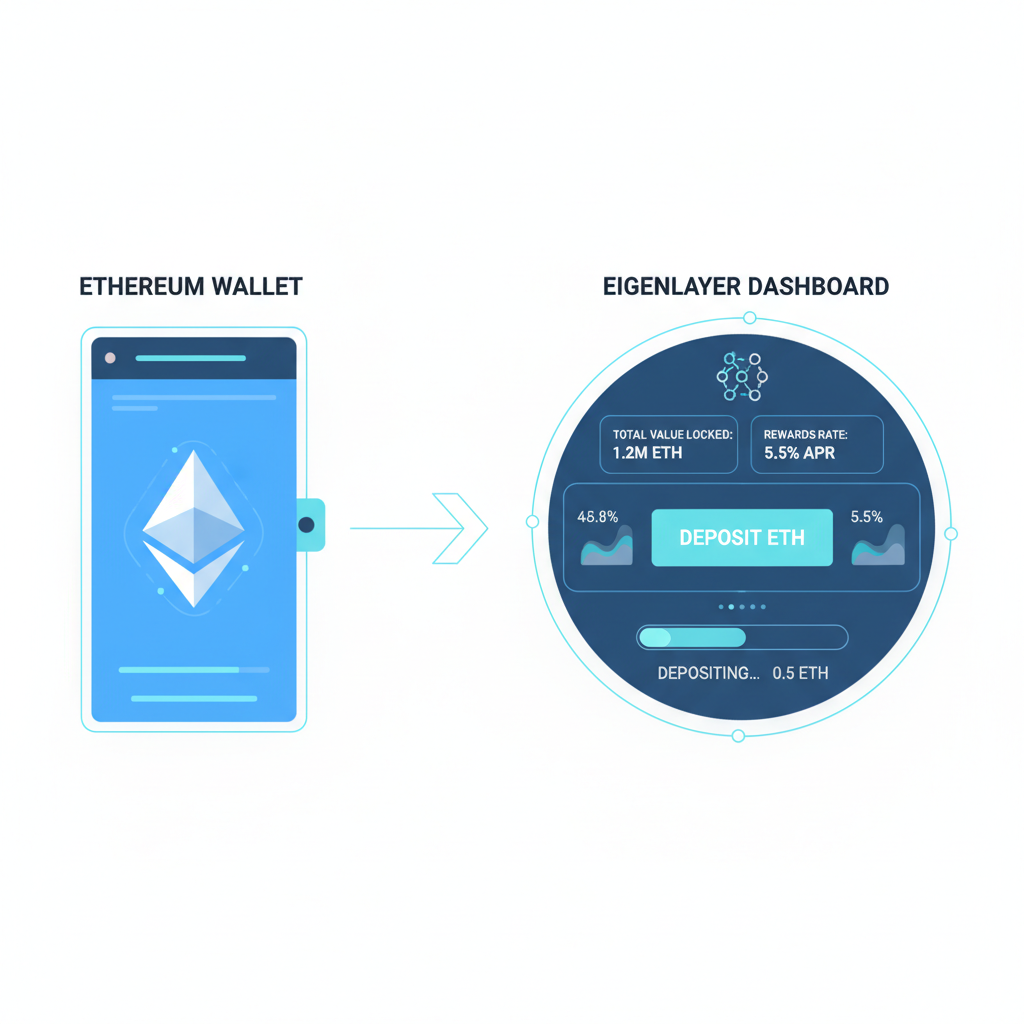
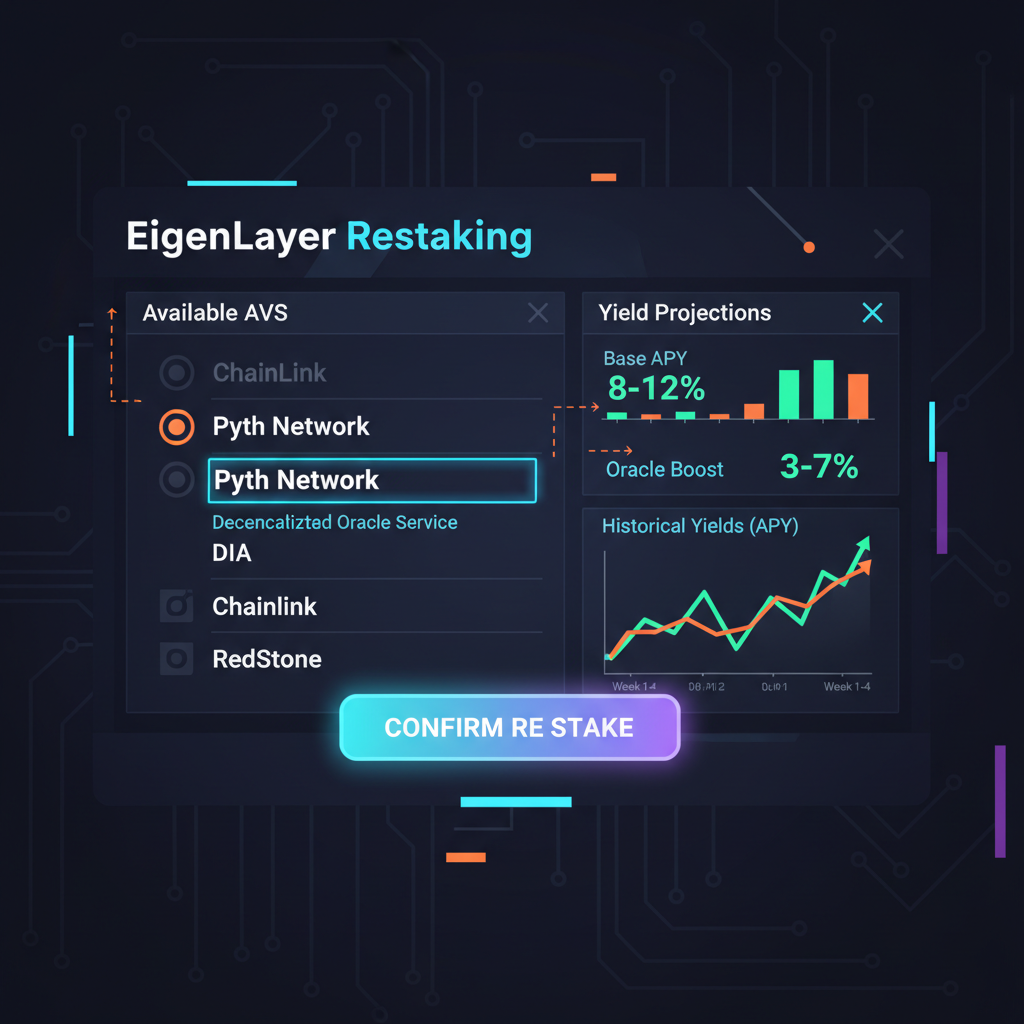
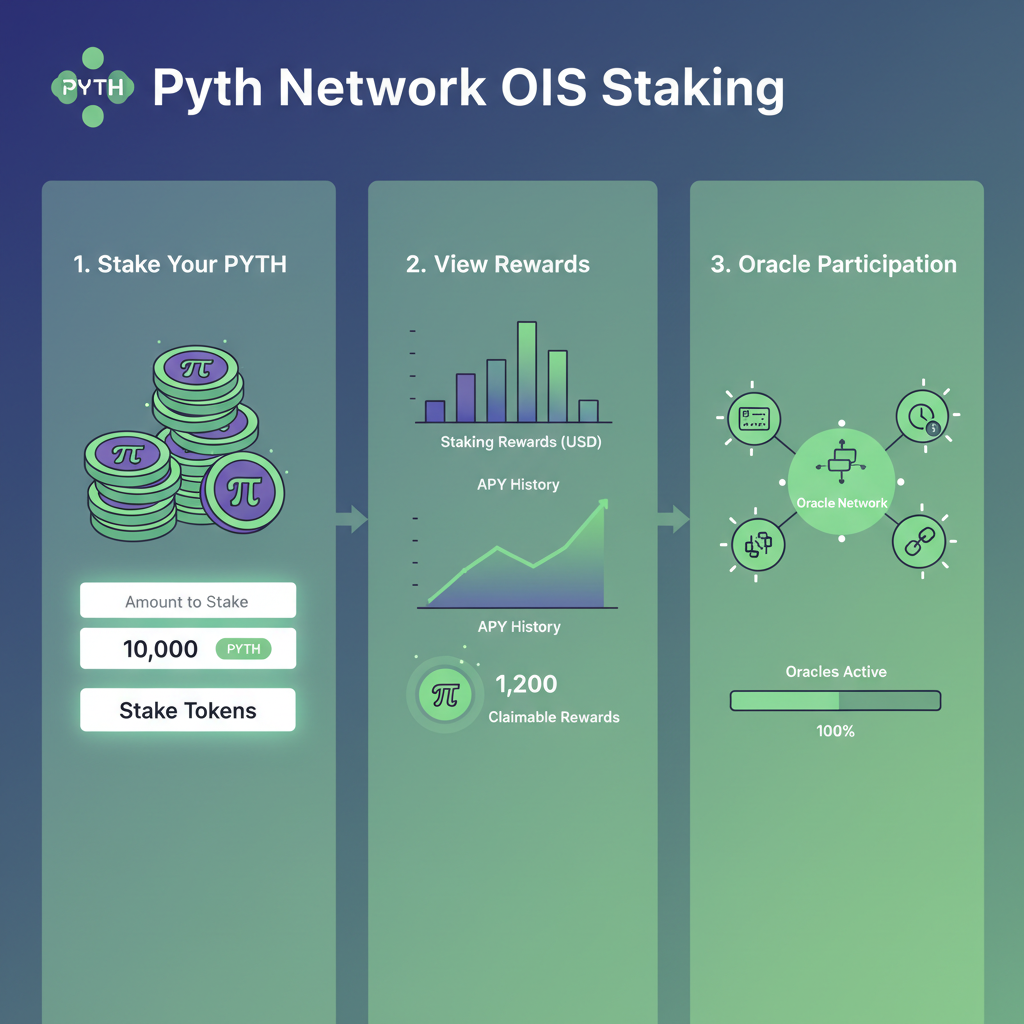
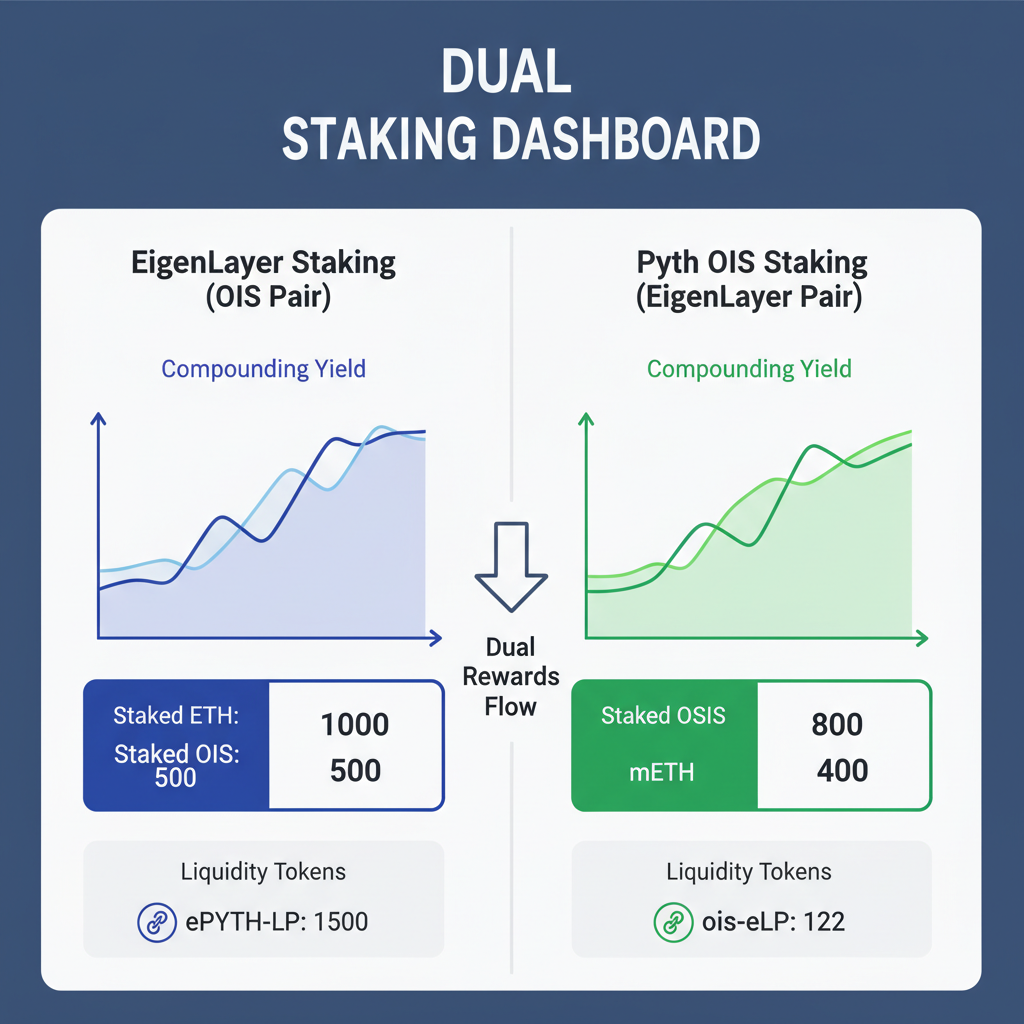
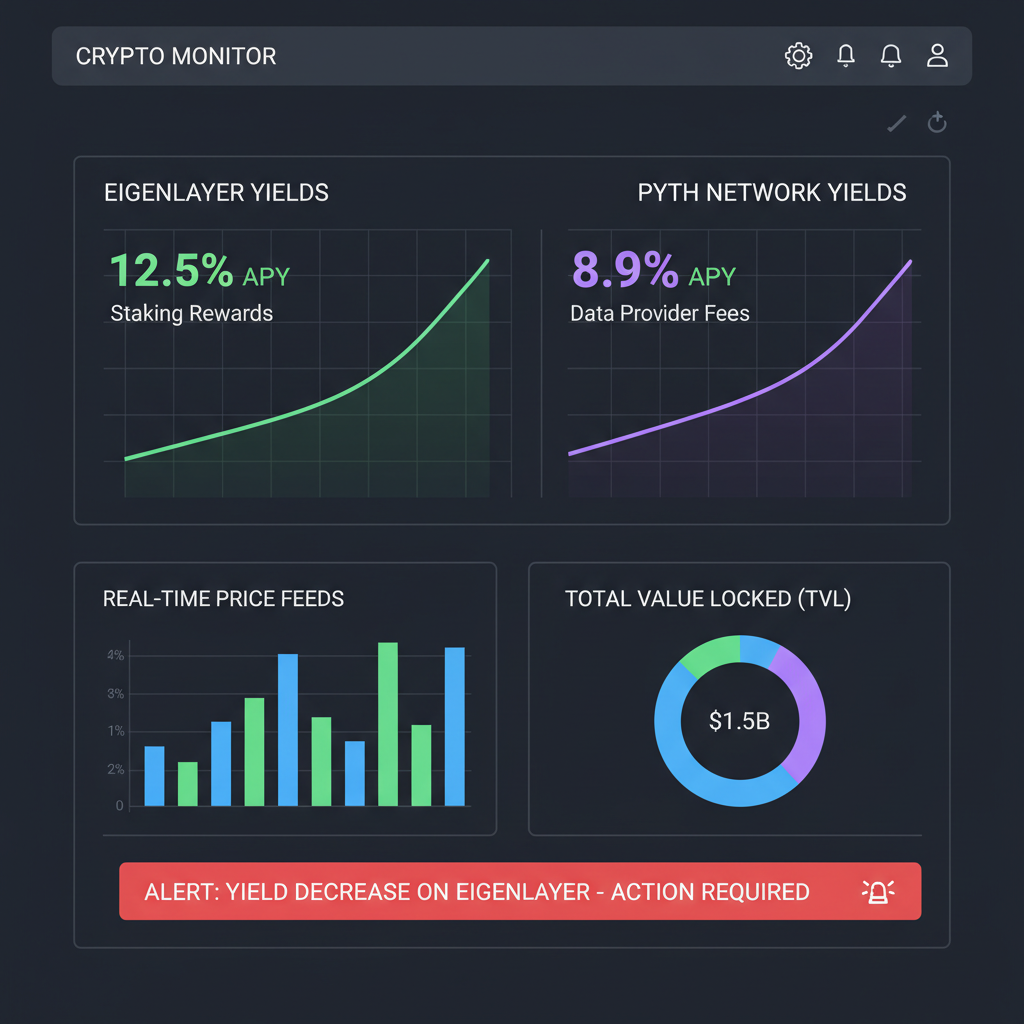
PYTH Token Pairing: Dual Streams from Reserve and Restaking
At PYTH’s current $0.0468 valuation, this pairing mitigates May 2026’s $313M unlock by diversifying into ETH-correlated restaking. Data publishers staking PYTH earn from accuracy bounties, compounded when operators restake via EigenLayer, tapping 8-12% EigenLayer AVS yields. The PYTH Reserve amplifies this, converting DeFi and trading firm fees into buy pressure, with historical monthly purchases averaging 2-4% supply impact. Opinion: This isn’t just stacking yields; it’s middleware monetization at its finest, turning oracle utility into tokenized economics resilient against competitors like RedStone. Allocate 20-30% here for balanced exposure, but stress-test against correlated drawdowns in ETH-PYTH pairs.
Real-world yields from early adopters hit 15% and in Q1 2026 pilots, per EigenLayer dashboards, underscoring oracle restaking 2026 potential. Yet, dual slashing looms if data inaccuracies trigger OIS penalties alongside AVS faults, so pair only with vetted operators.
Dynamic Monitoring: Quarterly Rebalances for Emission Shifts
Seal the strategy with Dynamic Monitoring: Track Pyth’s Crypto Redemption Rate Feed and EigenLayer emissions for quarterly rebalancing in 2026. The Rate Feed unlocks LST and LRT redemptions, signaling liquidity shifts critical for LRT holders, while EigenLayer’s emission schedules adjust with AVS demand, often spiking 20-30% post-upgrades. On-chain tools reveal emission cliffs dropping yields by 2-4% if unmonitored, especially as Pyth’s TVS grows 15.6% versus market 10% CAGR.
Set alerts for Rate Feed deviations above 1%, triggering portfolio shifts toward high-uptime operators or deeper AVS allocation. Historical data from 2025 shows quarterly pivots capturing 3-5% alpha, vital at PYTH $0.0468 amid unlock pressures. Creative twist: Integrate with yield aggregators scripting auto-rebalances based on these feeds, minimizing gas fees across L2s. This closes the loop on middleware monetization strategies, ensuring stakers ride oracle demand without complacency.
Blending these five tactics-Strategic AVS Allocation, Operator Diversification, LRT deployment, PYTH pairing, and Dynamic Monitoring-yields a resilient 15-25% portfolio APR projection for 2026, backed by Pyth’s OIS-EigenLayer synergy. With PYTH holding $0.0468 and institutional demand from trading firms accelerating, restakers prioritizing data integrity over hype position for outperformance. Diversification remains king in this chaos, harmonizing oracle precision with restaking scale to fuel sustainable Web3 growth.