
Get middleware monetization strategies 2026 right
Before you publish a single endpoint, align your technical enforcement with your chosen pricing model. Middleware monetization fails when billing logic sits in a separate silo from access control. You must configure both simultaneously to prevent revenue leakage and ensure that every API call is tracked, authenticated, and billed correctly.
Start by mapping your pricing strategy to your architecture. If you are using a pay-per-use model, you need granular logging and real-time metering. For tiered subscriptions, focus on role-based access control (RBAC) and feature flags. Misalignment here creates friction for customers and manual work for your finance team.
Define your data schema early. Decide exactly which metrics count toward a bill—request count, data volume, or compute time. Once these prerequisites are in place, you can move into the specific implementation steps for billing integration and access management.
Work through the steps
Monetizing middleware requires aligning your technical enforcement with your chosen pricing model. The gap between a free integration and a revenue-generating service is defined by how you handle access control, metering, and billing. This sequence walks you through the operational setup needed to launch a B2B SaaS middleware API in 2026.
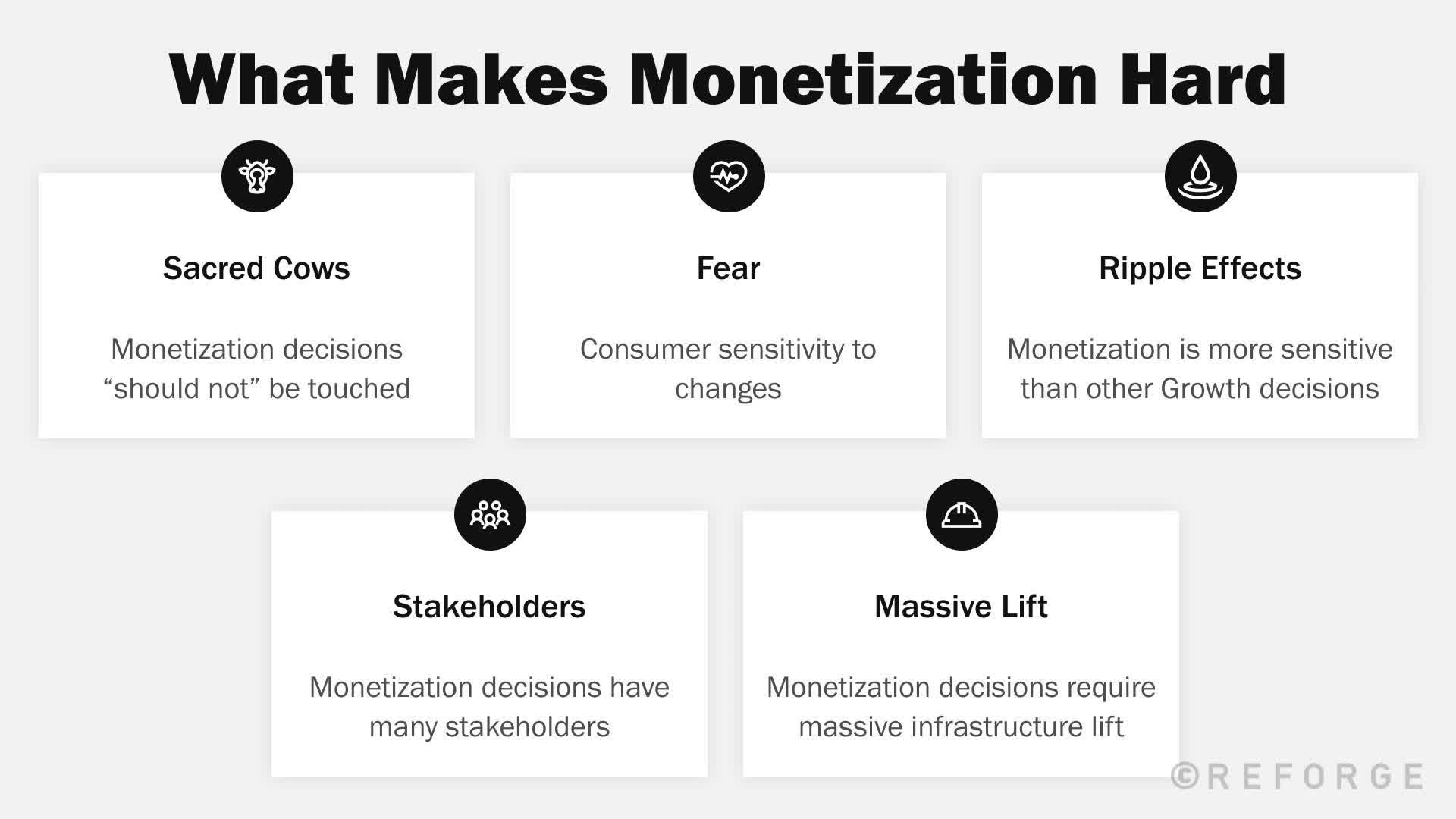
Start by selecting a pricing structure that matches your middleware’s value. Common models include subscription tiers, pay-per-call, or usage-based pricing tied to data volume. Your choice dictates the technical architecture of your API gateway. For example, a subscription model requires static access keys, while usage-based pricing demands real-time metering. Align this decision early to avoid retrofitting billing logic later.
Deploy an API gateway to enforce authentication and rate limiting. This component acts as the traffic cop, ensuring only authorized clients reach your middleware. Use standard protocols like OAuth 2.0 or API keys. Configure distinct endpoints for free tiers and paid tiers. This separation allows you to test the monetization logic without disrupting existing enterprise integrations. Secure the gateway with strict CORS policies to prevent unauthorized data leakage.
Instrument your middleware to capture usage data accurately. Every API call, data transformation, or transaction must be logged with a unique client identifier. This data feeds your billing engine. Ensure your logging system is immutable and tamper-proof to maintain trust with enterprise clients. Consider using a dedicated observability tool that integrates with your billing provider to automate data synchronization. Inaccurate metering is the fastest way to lose B2B contracts.
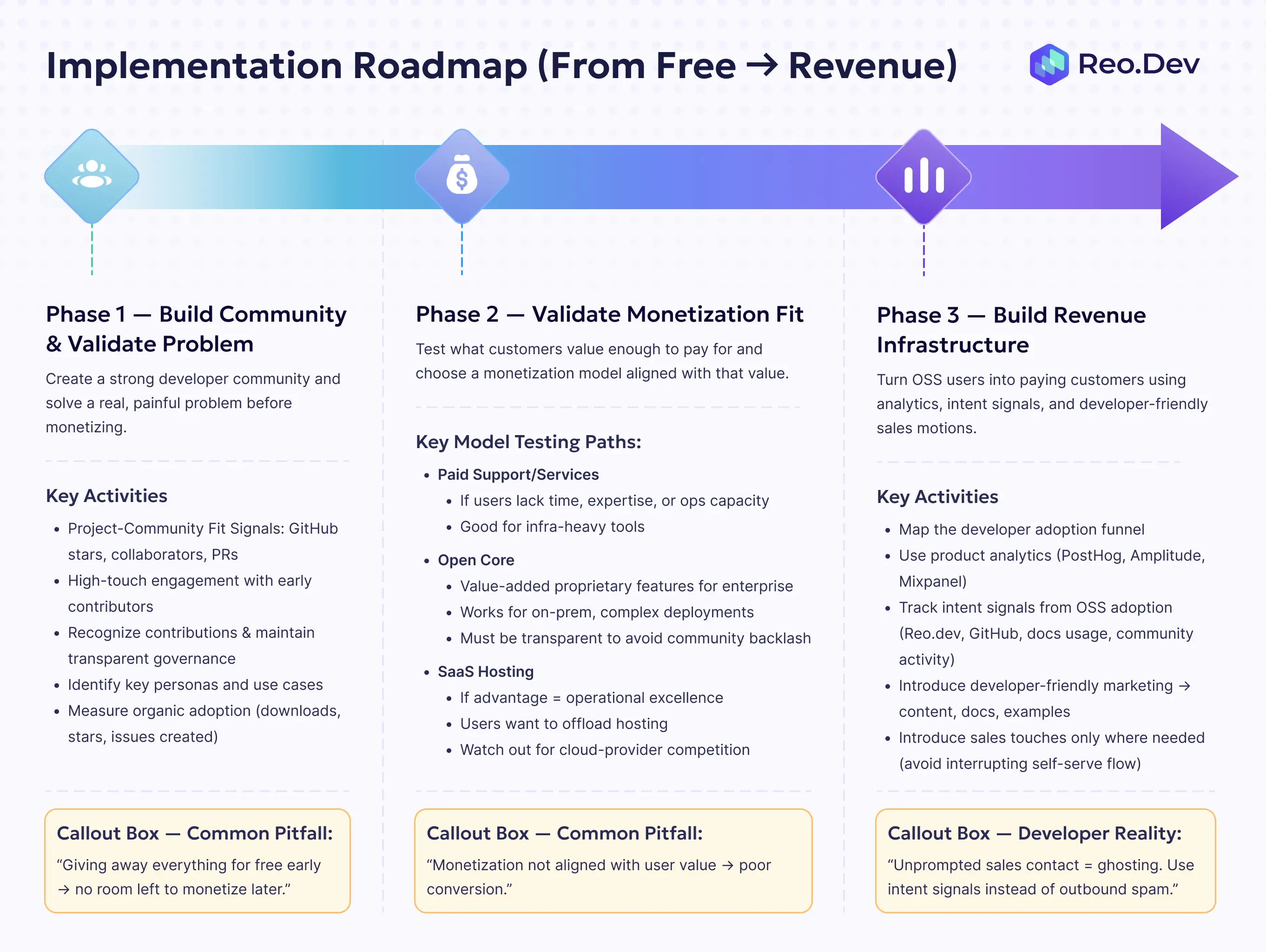
Connect your metering data to a billing platform. This step automates the conversion of usage metrics into invoices. Ensure the integration supports complex pricing rules, such as volume discounts or overage charges. Provide clients with a self-service portal where they can view real-time usage and historical billing. Transparency in billing reduces churn and support tickets. Verify that the system handles tax compliance for international transactions if you operate across borders.
Release the monetized middleware to a pilot group of enterprise clients. Monitor latency, error rates, and billing accuracy closely. Any delay in chargeback processing or incorrect metering will damage your reputation. Use this phase to refine your rate limits and pricing tiers based on actual client behavior. Once stable, expand the rollout to the broader market. Continuous monitoring ensures your middleware remains competitive and reliable in a crowded B2B SaaS landscape.
Common Mistakes in Middleware Monetization
Even well-designed middleware APIs can fail to generate revenue if the business layer is misaligned with technical enforcement. The most frequent errors involve mismatched pricing models, weak access controls, and ignoring customer usage patterns. Fixing these issues early prevents revenue leakage and churn.
Mismatched Pricing and Usage Models
A common mistake is choosing a flat-rate subscription for an API where usage varies wildly between clients. If your middleware processes 100 requests for one enterprise and 100,000 for another, a flat fee will either price out the heavy users or leave money on the table from light users. Align your billing model with actual consumption metrics like API calls, data volume, or transaction count. Configure your billing engine to reflect these variances accurately, ensuring that technical enforcement matches your pricing strategy.
Weak Access and Rate Limiting
Without strict rate limiting, your middleware can be overwhelmed by a single client, degrading performance for everyone else. This not only harms user experience but also exposes you to unexpected costs if you pass-through infrastructure fees. Implement robust access controls that throttle requests based on the client’s tier. This protects your infrastructure and gives you a clear lever to upsell higher-tier plans with better limits.
Ignoring Customer Feedback Loops
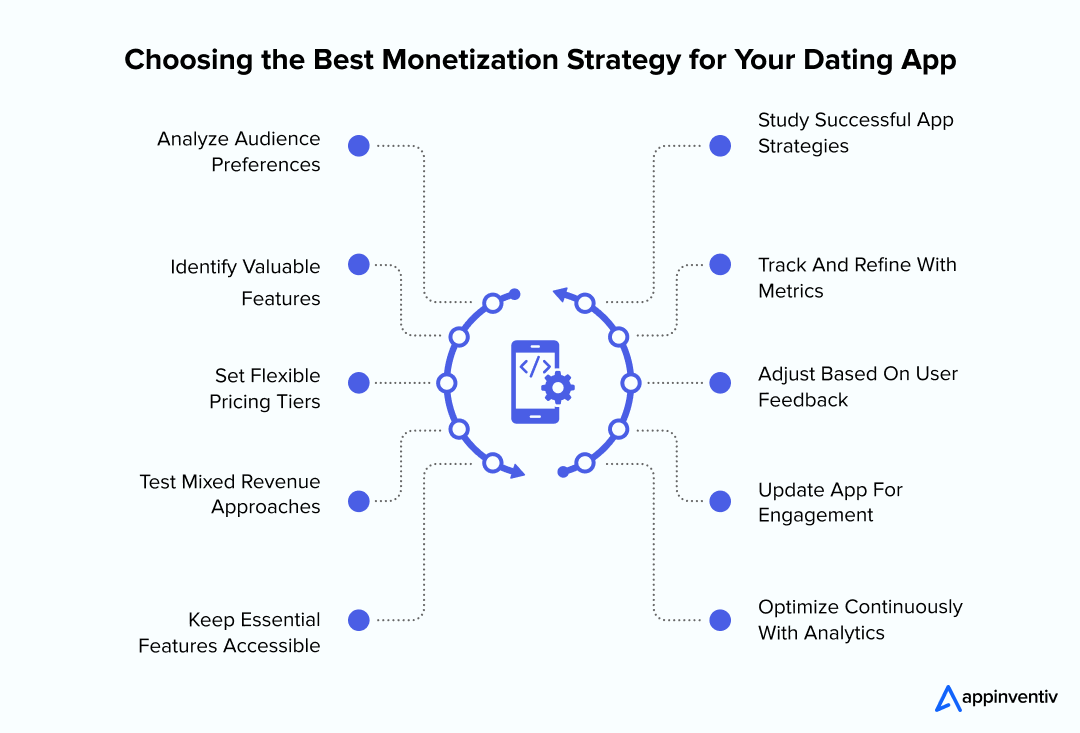
Many teams treat monetization as a one-time configuration rather than an ongoing optimization. If customers are churning or refusing to upgrade, it often signals that the pricing structure doesn’t reflect the value they’re extracting. Regularly review usage data and customer feedback to adjust your tiers. A rigid pricing model that doesn’t adapt to market needs will eventually stagnate, regardless of how efficient your middleware is technically.
Middleware monetization strategies 2026: what to check next
Before locking in your middleware pricing, address the practical objections that stall enterprise deals. The following questions cover the most common hurdles in billing alignment, access control, and model selection.
No comments yet. Be the first to share your thoughts!