
Get middleware monetization 2026 right
Before configuring your API gateway for revenue, you must align technical infrastructure with clear commercial terms. Middleware monetization is not just about exposing endpoints; it is about creating a billable product. Skip these prerequisites, and you will face revenue leakage, integration friction, and support overhead that outpaces your profits.
1. Map your integration value chain
Identify which internal services solve external buyer problems. Not every API deserves a price tag. Focus on high-value, frequently called endpoints that replace expensive third-party tools or internal development cycles. Document the specific business outcome each endpoint delivers, such as real-time fraud detection or automated inventory sync. This clarity helps developers understand the ROI before they write a single line of code.
2. Choose your API gateway revenue model
Select a pricing structure that matches your service’s usage patterns. Common models include:
- Pay-per-call: Best for sporadic, high-value transactions.
- Tiered subscriptions: Ideal for consistent, high-volume usage.
- Freemium with overage fees: Effective for acquiring users before monetizing heavy users.
Avoid complex, opaque pricing. Developers prefer transparent, predictable costs. Your gateway must support rate limiting and usage tracking natively to enforce these models without manual intervention.
3. Configure billing and access controls
Set up automated billing and strict access controls before launching. Integrate a payment processor that supports recurring billing and invoice generation. Configure API keys with granular permissions to prevent unauthorized access. Ensure your gateway logs every call for accurate billing and audit trails. This technical foundation prevents revenue loss and builds trust with enterprise clients who demand rigorous security standards.
4. Avoid common pricing mistakes
Many teams underprice their APIs by ignoring infrastructure costs. Calculate the true cost per call, including compute, bandwidth, and support. Underpricing attracts low-value users who strain your resources without generating profit. Conversely, overpricing without demonstrating clear value will stall adoption. Start with a pilot group to test pricing sensitivity and adjust based on actual usage data.
5. Proof checks before launch
Run a full end-to-end test of the monetization flow. Verify that:
- API calls are correctly logged and billed.
- Payment failures trigger appropriate user notifications.
- Rate limits enforce pricing tiers accurately.
- Documentation clearly explains pricing and integration steps.
These checks ensure a smooth launch. A broken billing flow is the fastest way to lose developer trust and revenue potential.
Work through the steps
Turning your API gateway into a profit center requires moving from passive traffic handling to active value extraction. This section walks you through the exact sequence for launching middleware monetization, from mapping your integration value chain to configuring billing controls.
Before setting prices, identify which API endpoints deliver the highest business value. Look for specialized endpoints or add-on services that developers already rely on. These are the best candidates for monetization because they solve specific, high-priority problems. List these endpoints separately from your free, foundational APIs to avoid cannibalizing your core user base.
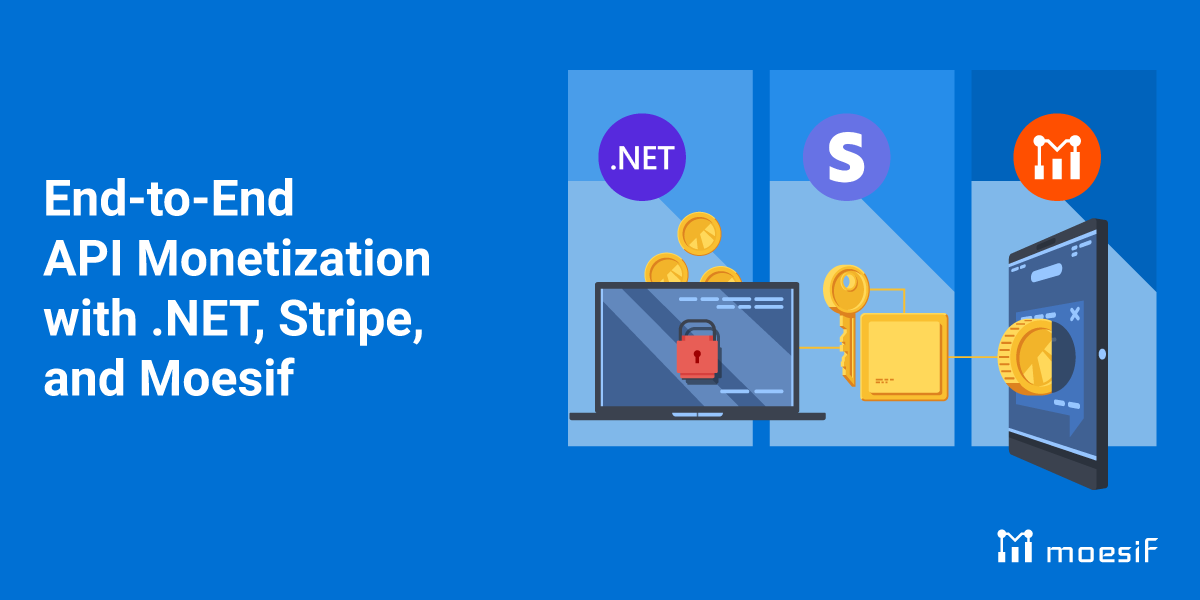
Select a pricing structure that aligns with your middleware's usage patterns. Common models include tiered subscription plans for consistent access, pay-per-call for sporadic usage, or volume-based discounts for high-volume enterprise clients. For example, if your middleware processes data in batches, a tiered model often works better than per-call pricing. Ensure your chosen model is flexible enough to accommodate scaling without manual intervention.
Integrate a robust billing engine with your API gateway to automate invoicing and access management. Tools like Stripe or custom billing systems can handle metered usage, recurring subscriptions, and overage charges. Simultaneously, implement strict access controls using API keys or OAuth tokens to ensure only paying customers can access your monetized endpoints. This dual approach protects your revenue stream while providing a seamless experience for developers.
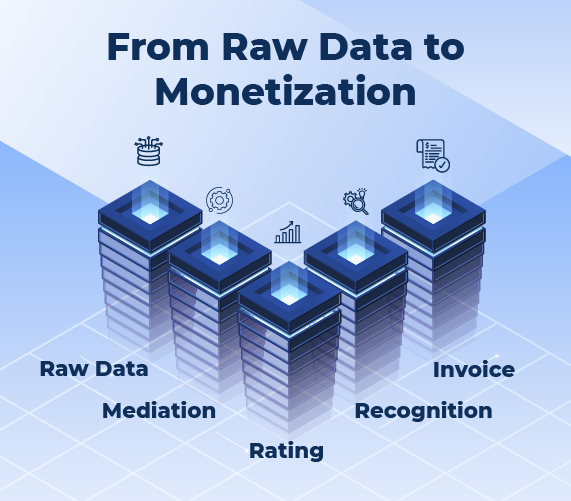
Expand your reach by listing your monetized endpoints on popular API marketplaces. This makes it easier for developers to discover and purchase your services. Optimize your marketplace listings with clear documentation, pricing details, and usage examples. This strategy not only drives direct sales but also establishes your middleware as a trusted solution in the developer ecosystem.

Steer clear of underpricing your middleware, which can lead to unsustainable costs and devalued perception. Avoid complex pricing structures that confuse users; simplicity drives conversion. Regularly review your pricing against competitor offerings and adjust based on usage data and customer feedback. This proactive approach ensures your pricing remains competitive and profitable over time.
Fix common middleware monetization mistakes
Turning API gateways into profit centers requires more than just exposing endpoints. The difference between a stable revenue stream and a failed initiative often comes down to avoiding three specific traps: unclear pricing, missing usage data, and poor developer experience.
Misaligned pricing models
Charging a flat monthly fee for high-traffic APIs ignores the actual cost of infrastructure. If you bill for access rather than usage, heavy users will drain your margins while light users pay too much. Align your pricing with the value delivered. For example, charge per request or per gigabyte of data transferred. This ensures revenue scales with consumption and keeps costs predictable for your customers.
Ignoring usage analytics
You cannot optimize a product you do not measure. Many teams launch APIs without tracking which endpoints generate the most revenue or which ones cause the most errors. Without this data, you cannot identify bottlenecks or prioritize feature development. Implement robust logging and analytics early. Monitor request volumes, latency, and error rates to make informed decisions about capacity planning and pricing tiers.
Neglecting the developer experience
APIs are products, and developers are your users. If your documentation is sparse, your authentication process is complex, or your sandbox environment is unstable, developers will abandon your gateway. Provide clear, copy-pasteable code examples and a reliable testing environment. A frictionless onboarding process reduces churn and encourages long-term adoption, turning one-time users into loyal subscribers.
Middleware monetization 2026: what to check next
Before committing to a new API gateway or billing layer, it helps to separate the technical setup from the revenue model. The following questions address the most common objections teams raise when moving from internal integration tools to profit centers.
No comments yet. Be the first to share your thoughts!