
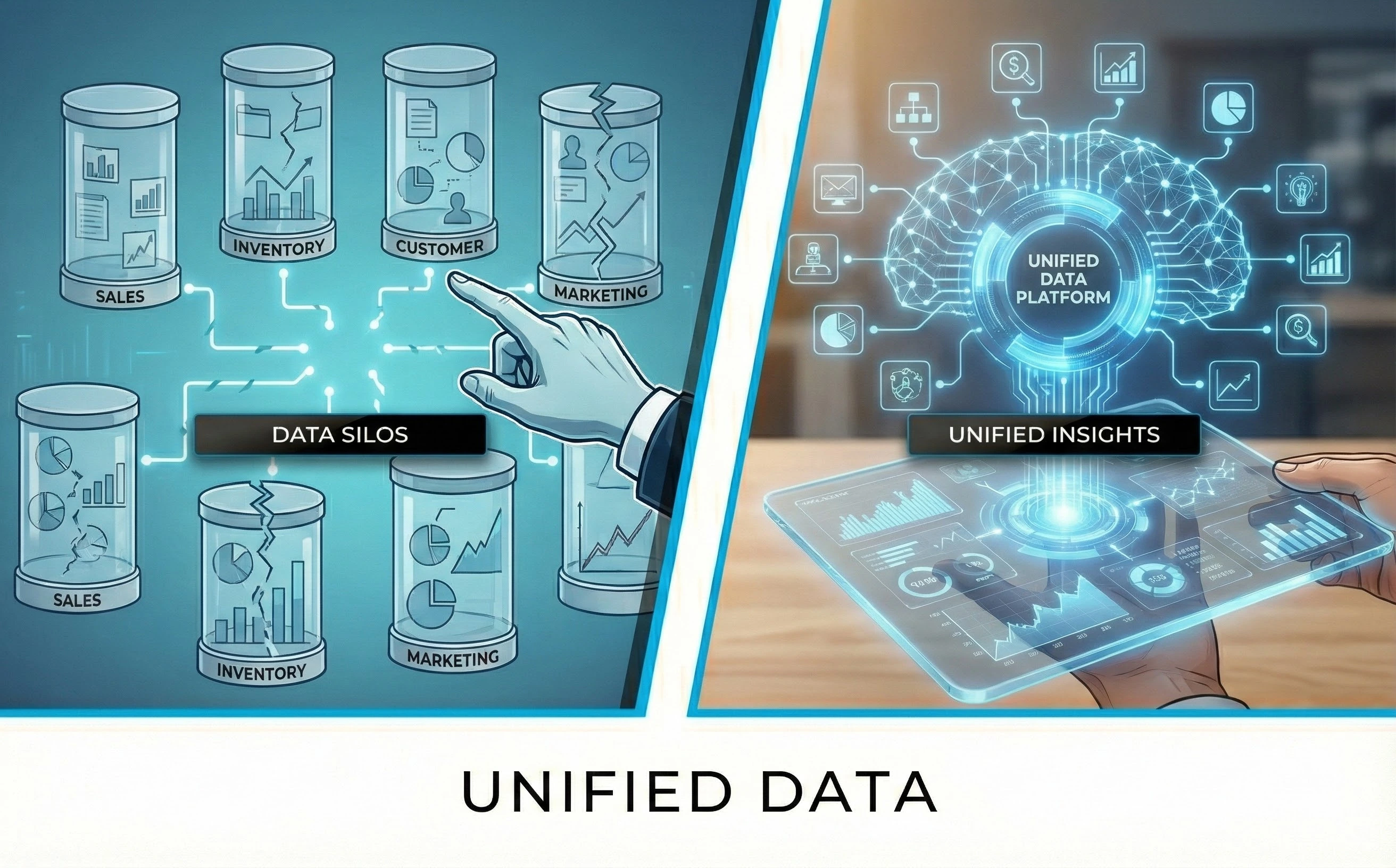
How we chose these middleware strategies
The global middleware market is expanding, with mobile middleware alone projected to reach nearly $60 billion by 2035. Yet not all integration layers are built for revenue. We filtered 2026’s leading technologies—like Kafka, MuleSoft, and Express—against a simple metric: can they turn data silos into billable assets?
Our selection prioritizes concrete monetization paths over abstract connectivity. We focused on solutions that support API gateways, usage-based billing, and secure data exchange. Each strategy below includes a practical example of how it bridges the gap between raw data and commercial value.
5 AI-Driven Middleware Strategies to Monetize Data Silos in 2026
Data silos are no longer just storage problems; they are missed revenue opportunities. This guide outlines five specific middleware strategies that use AI to expose, secure, and monetize isolated data assets before 2026.
-

Real-time API translation for legacy mainframes
Convert COBOL-based mainframe data into JSON REST endpoints instantly. AI agents parse legacy record structures, identifying field boundaries without manual mapping. This approach exposes dormant data for modern microservices, enabling real-time monetization through subscription APIs. Teams avoid costly rewrites while exposing high-value transaction history to external partners securely and efficiently. -
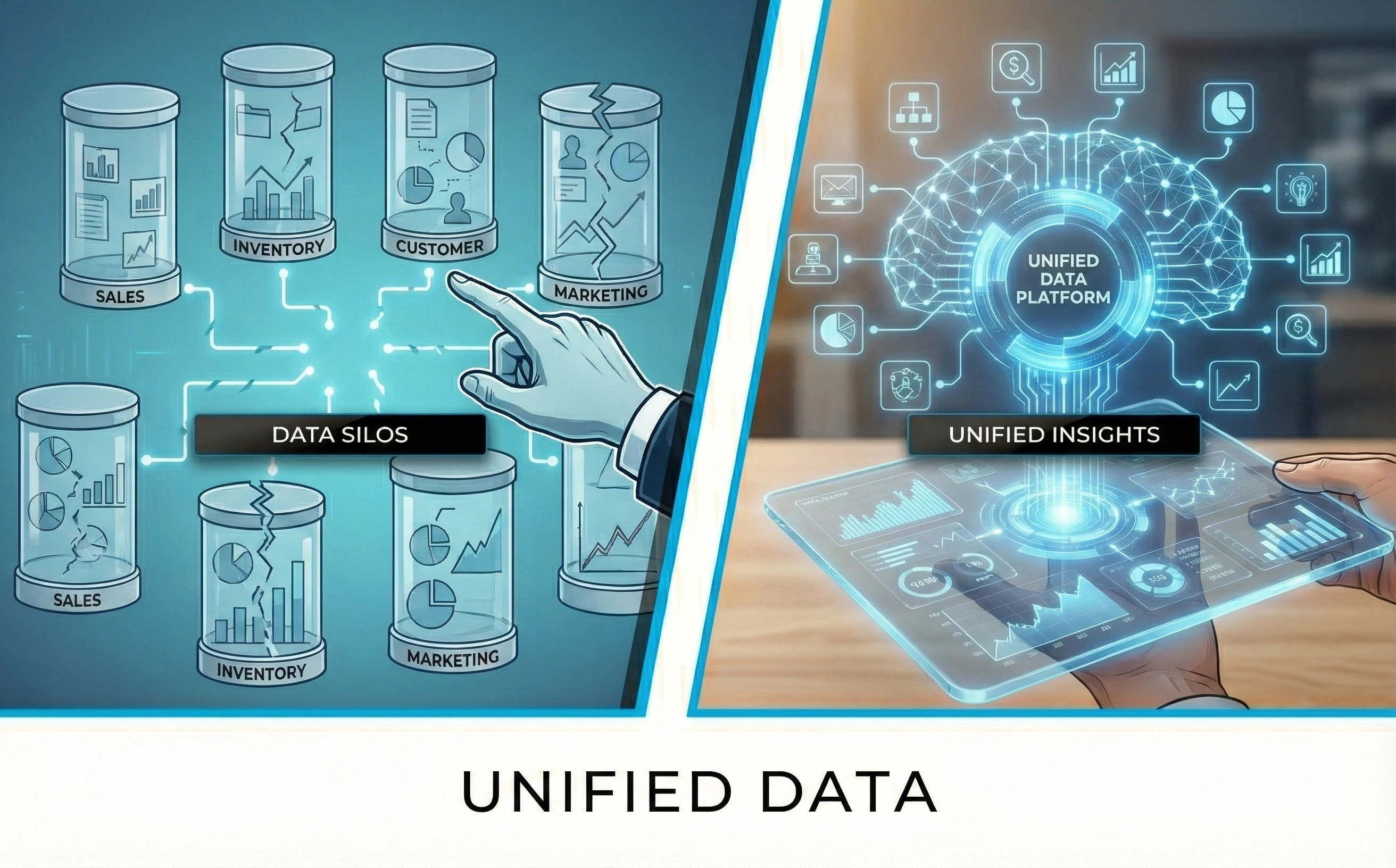
Automated data quality enforcement pipelines
Deploy AI models that continuously validate incoming silo data against historical patterns. The middleware flags anomalies like duplicate records or format drift before they corrupt analytics. By ensuring clean, trustworthy data flows to monetization layers, organizations protect revenue streams and maintain partner trust. This proactive governance reduces manual cleaning costs significantly. -
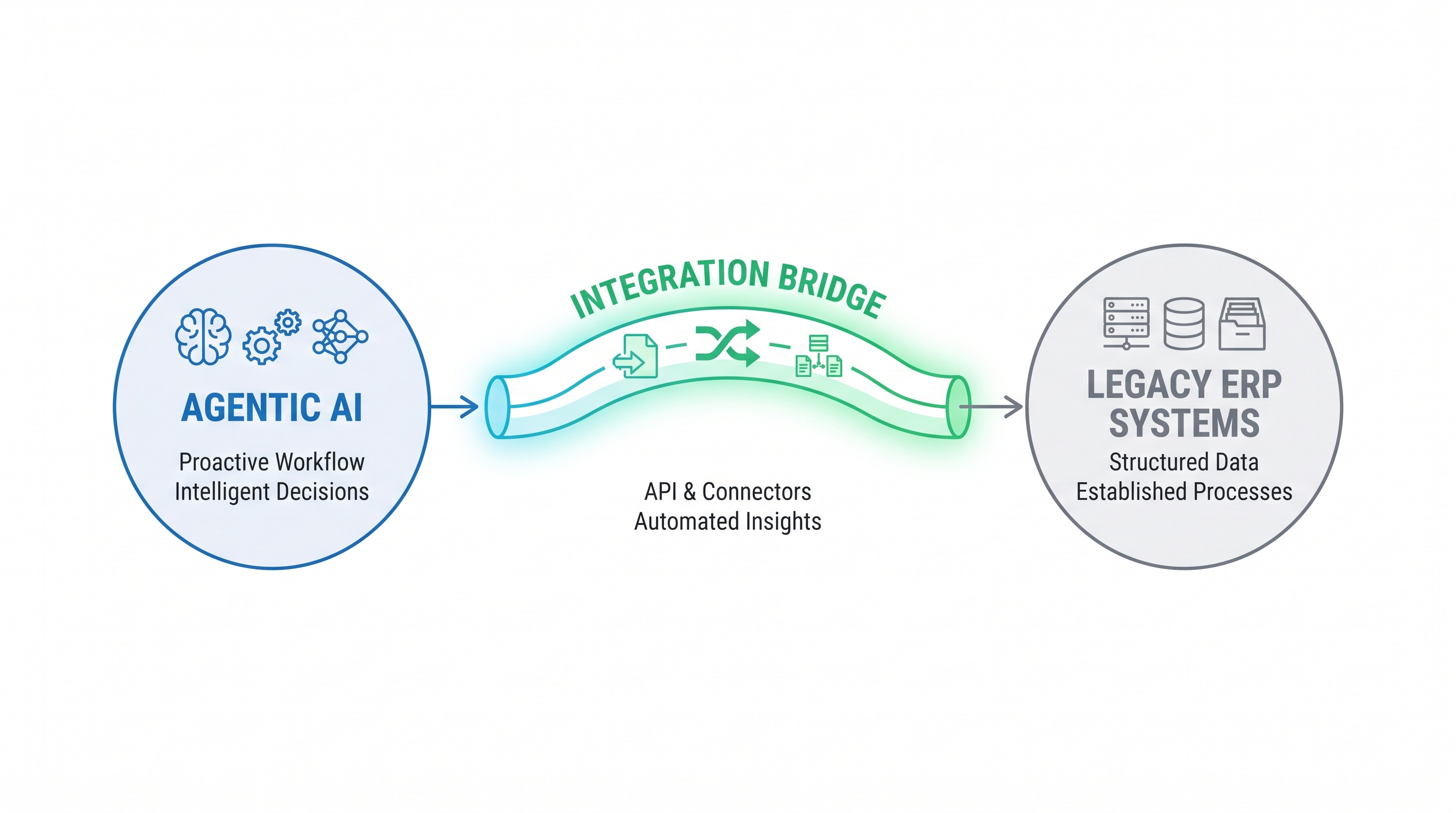
AI-driven schema mapping for ERP systems
Use agentic AI to automatically align disparate ERP schemas with standardized data models. The system learns from existing integrations, suggesting mappings for new fields with high accuracy. This reduces the time needed to expose ERP data for external monetization, allowing faster onboarding of new data products and reducing integration technical debt. -

Predictive load balancing for hybrid cloud
AI monitors traffic patterns to dynamically route data requests between on-premise silos and cloud endpoints. This prevents bottlenecks during peak monetization periods, ensuring consistent API performance for paying clients. By optimizing resource allocation, companies reduce infrastructure costs while maintaining the high availability required for enterprise-grade data service level agreements. -
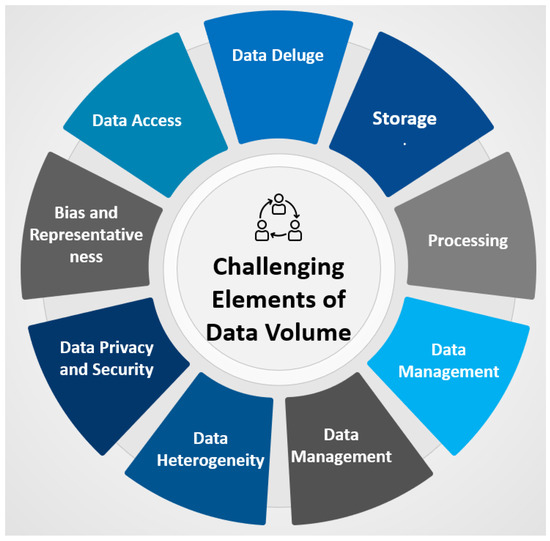
Anomaly detection for secure data sharing
AI models scan data transfers for unusual access patterns or potential leaks before they leave the secure boundary. This middleware layer adds a critical security checkpoint, ensuring that monetized data exports comply with privacy regulations like GDPR. By preventing breaches, organizations safeguard their reputation and avoid costly fines associated with unauthorized data exposure to third-party consumers.
Pick the right fit
Choosing middleware to monetize data silos isn't about picking the most popular tool; it's about matching your data's physical properties to the right integration pattern. Think of your silos as different types of cargo. Some are heavy, stationary containers (legacy databases), while others are fast-moving streams of parcels (IoT sensors or API events). If you try to move a stream through a system designed for heavy containers, you'll face bottlenecks and high costs. The goal is to find the middleware that acts as the correct logistics hub for your specific data types.
Start by auditing the latency requirements of your monetization strategy. If you are selling real-time ad impressions or live trading signals, you need streaming middleware like Apache Kafka or MuleSoft. These tools handle high-throughput, low-latency data flows, allowing you to slice and sell data as it happens. For batch-based analytics or monthly reporting services, a simpler API gateway or ETL tool might suffice, reducing infrastructure overhead while still creating a clean monetization layer.
Next, evaluate the security and governance needs of the data. Monetized data often carries stricter compliance requirements than internal data. Middleware that offers built-in identity management, encryption, and audit trails reduces the friction of selling to enterprise clients. If your silos contain sensitive PII or financial records, prioritize middleware with robust role-based access control (RBAC) and data masking capabilities. This ensures that every sale is compliant and auditable, protecting your revenue stream from regulatory penalties.
Finally, consider the developer experience for your partners. The easier it is for external clients to integrate with your middleware, the faster you will see monetization. Look for platforms that provide comprehensive SDKs, clear documentation, and sandbox environments. A smooth onboarding process lowers the barrier to entry, encouraging more partners to adopt your data products. The right middleware should feel like a plug-and-play solution for buyers, not a complex engineering project.
| Criterion | Streaming (Kafka/MuleSoft) | Batch/API (REST/GraphQL) |
|---|---|---|
| Latency | Real-time (ms) | Delayed (mins/hours) |
| Complexity | High (state management) | Moderate |
| Best For | Live ads, IoT, trading | Reports, analytics, sync |
| Cost | Higher infrastructure cost | Lower infrastructure cost |



As an Amazon Associate, we may earn from qualifying purchases.
No comments yet. Be the first to share your thoughts!