
Get middleware monetization 2026 right
Before you connect a billing system to your API gateway, you need to verify that your middleware is actually ready to sell. Many teams skip this step and find their monetization efforts fail because the underlying architecture cannot handle the required traffic spikes or billing complexity. Treat this as a pre-flight check for your revenue engine.
First, audit your API documentation. If developers cannot understand your endpoints, rate limits, and error codes within five minutes, they will not buy them. Clear documentation reduces support tickets and accelerates time-to-value for your customers. Second, ensure your gateway can track usage accurately. You need granular metrics on requests, bandwidth, and compute time to bill correctly. Without this visibility, you risk undercharging for heavy users or overcharging light ones, which destroys trust.
Finally, test your error handling. A billing system that fails silently is worse than no billing system at all. Verify that your gateway returns standard HTTP status codes and that your billing provider can parse these responses to trigger or pause subscriptions. This foundation prevents revenue leakage later.
Work through the steps
Turning middleware into a profit center requires shifting from passive infrastructure to active revenue generation. You must structure your API gateway to handle billing, access control, and usage tracking before exposing endpoints to the market. This section walks you through the technical implementation of monetizing API gateways, ensuring every layer of your middleware stack contributes to the bottom line.
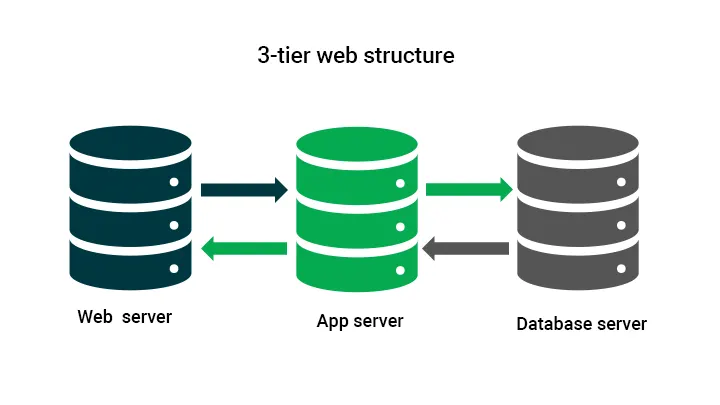
Configure your gateway to enforce strict rate limits based on subscription tiers. This is the first line of defense against abuse and the primary mechanism for upselling. Use middleware to intercept incoming requests and validate the user's plan level before processing. If a request exceeds the limit, return a 429 Too Many Requests response with clear headers indicating when the limit resets. This creates immediate value for higher-tier plans, as they enjoy greater throughput and priority queuing.
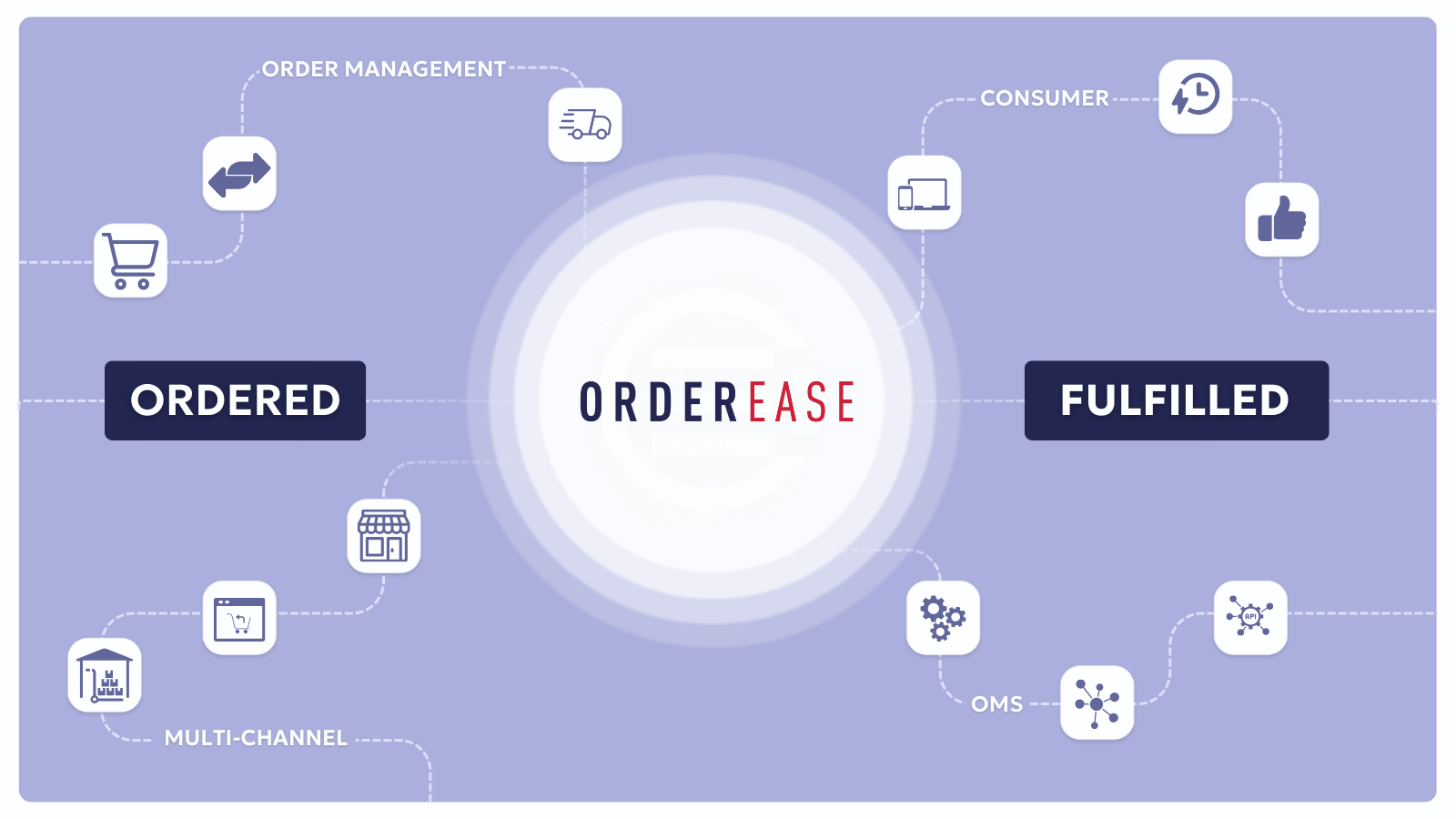
Rate limiting alone doesn't generate revenue; accurate metering does. Deploy middleware that logs every API call, categorizing it by endpoint, method, and data volume. This data feeds directly into your billing engine. Ensure your logging is idempotent and high-performance to avoid introducing latency. Track not just the number of calls, but also the computational cost of complex queries. This granular data allows you to offer pay-as-you-go models alongside fixed subscriptions, capturing value from heavy users who exceed baseline limits.
Transform raw data into premium formats using middleware. Offer features like automatic data aggregation, caching, or format conversion (e.g., JSON to XML) as paid add-ons. This turns your gateway into a value-added reseller. For example, a premium tier could include real-time analytics dashboards generated by the gateway itself. By processing data before it reaches the client, you reduce their infrastructure costs and justify a higher price point. This step differentiates your API from commodity data sources.
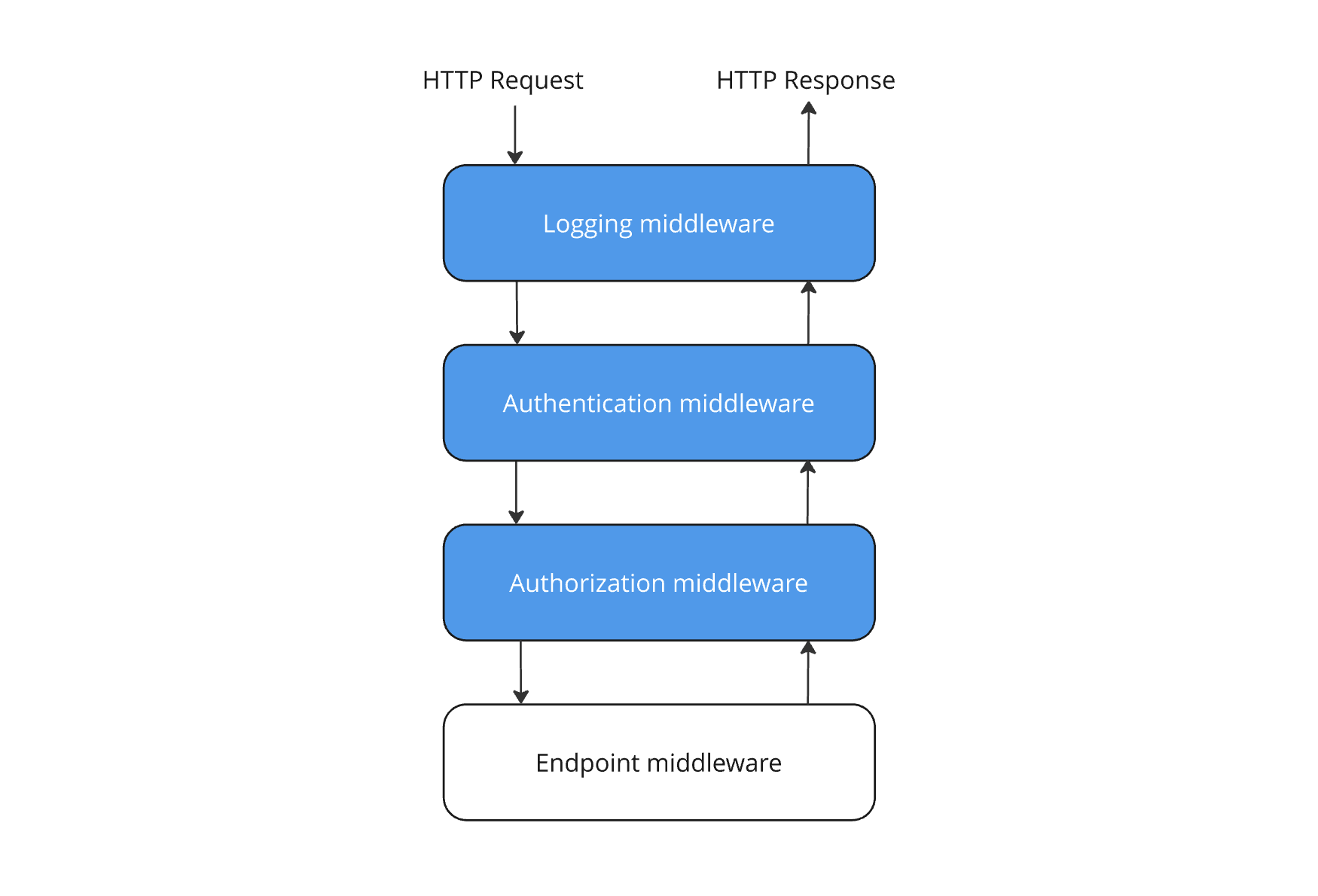
Connect your gateway to a billing provider like Stripe or Paddle via middleware webhooks. When a user upgrades their plan, the middleware should immediately adjust their rate limits and access permissions. Conversely, if a payment fails, the middleware should gracefully degrade access rather than cutting it off abruptly. This automation reduces churn and administrative overhead. Ensure your billing logic is idempotent to prevent duplicate charges during network retries. Reliable billing integration is the bridge between technical usage and financial revenue.
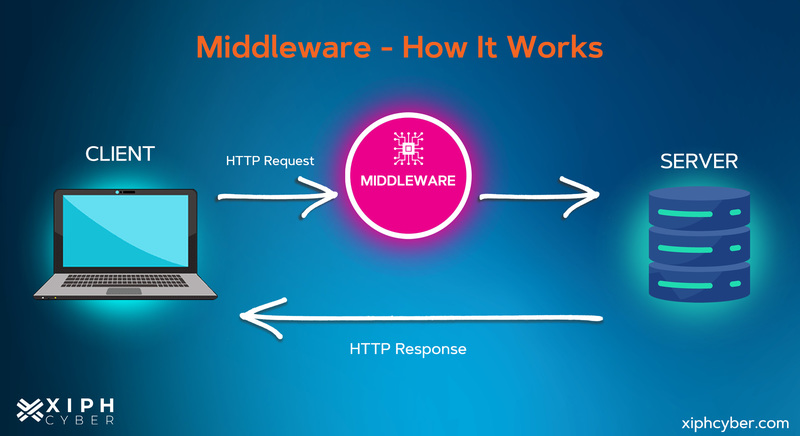
Secure your monetization strategy by enforcing strict authentication. Use OAuth2 or API keys to identify users and link them to their billing accounts. Middleware should validate tokens on every request, rejecting unauthorized access immediately. This prevents revenue leakage from unauthenticated usage. Additionally, implement IP whitelisting for enterprise tiers to add a layer of security that justifies premium pricing. A secure gateway builds trust with enterprise clients who require compliance and data protection, making your API a viable profit center for high-value contracts.
Fix Common Mistakes
Most API gateway projects stall not because of bad code, but because of poor business framing. When you treat middleware as a utility rather than a product, you leave revenue on the table or invite chaos in billing. These are the three errors that consistently derail monetization efforts.
Treating All Traffic as Equal
The biggest mistake is applying a single rate or access level to every user. A developer testing a sandbox endpoint consumes negligible resources compared to a production app processing thousands of transactions per second. If you charge them the same flat fee, you either price out serious users or bleed money on low-value traffic.
The Fix: Implement tiered access. Use your gateway to tag requests based on usage volume and criticality. Offer a free tier for developers to learn, a standard tier for moderate usage, and an enterprise tier for high-volume, low-latency needs. This ensures you capture value from power users without alienating early adopters.
Ignoring Rate Limiting Consequences
APIs are vulnerable to abuse. Without strict rate limits, a single misconfigured client or a malicious actor can hammer your gateway, consuming all available bandwidth and crashing the service for everyone else. Worse, if you don't track these limits, you cannot bill accurately for overages.
The Fix: Configure hard and soft limits at the gateway level. A hard limit blocks the request immediately, protecting your infrastructure. A soft limit triggers a warning or a throttle. Ensure your billing system integrates with these logs so you can charge for excess usage transparently. This turns a security risk into a predictable revenue stream.
Forgetting the Developer Experience
You can have the best pricing model in the world, but if developers cannot easily understand your API or integrate with it, they will go elsewhere. Complex documentation, missing SDKs, or unclear error messages are silent revenue killers. Developers spend hours debugging; if they can’t figure out your API quickly, they abandon it.
The Fix: Invest in a developer portal. Provide clear, interactive documentation, code samples in multiple languages, and a sandbox environment where they can test without risking real data. Make the API key generation and usage monitoring intuitive. When developers succeed, your API succeeds.
Middleware monetization 2026: what to check next
Before committing to a middleware monetization strategy, it helps to clarify how platform shifts affect your revenue streams. While API gateways operate in B2B contexts, understanding broader content monetization trends—like those on YouTube and Facebook—reveals how platforms are tightening authenticity and engagement thresholds in 2026.
No comments yet. Be the first to share your thoughts!