
Pick the right pricing model
Middleware monetization isn't one-size-fits-all. The model you choose dictates how customers perceive value and how complex your billing infrastructure becomes. Leading SaaS companies typically rely on four core strategies: seat-based, usage-based, credit-based, and hybrid pricing. Each model places different demands on your backend and appeals to different buyer personas.
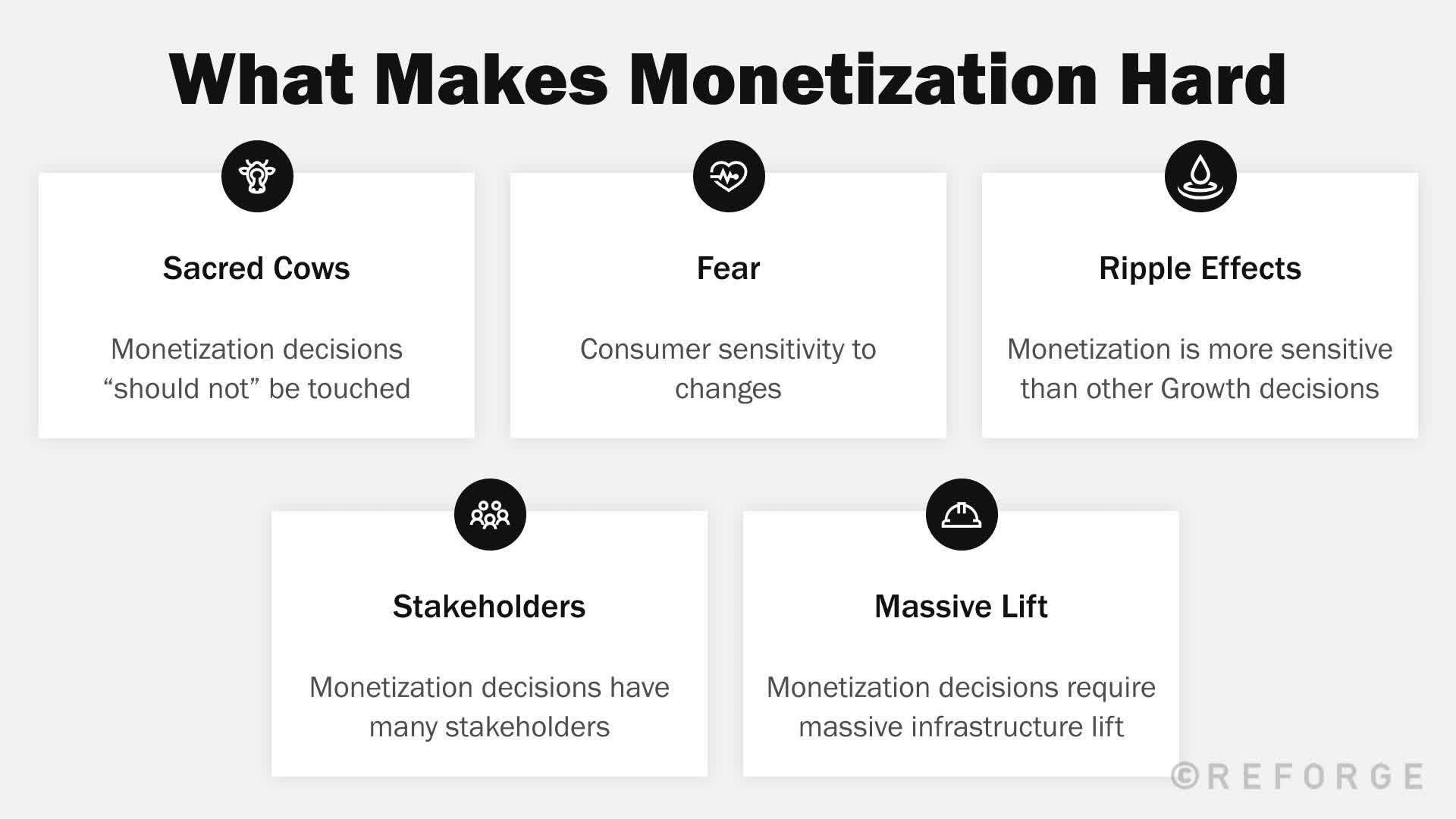
To simplify the decision, compare these models against your specific middleware architecture and customer base. Use the table below to evaluate predictability, implementation complexity, and ideal customer fit.
| Model | Revenue Predictability | Billing Complexity | Best For | Best Customer Fit |
|---|---|---|---|---|
| Seat-based | High | Low | Internal enterprise tools where value scales with team size | Internal enterprise tools where value scales with team size |
| Usage-based | Low | High | APIs or data pipelines where value correlates directly with volume | APIs or data pipelines where value correlates directly with volume |
| Credit-based | Medium | Medium | Platforms requiring upfront commitment but flexible consumption | Platforms requiring upfront commitment but flexible consumption |
| Hybrid | Medium-High | Very High | Enterprise middleware with both fixed overhead and variable load | Enterprise middleware with both fixed overhead and variable load |
Seat-based pricing works best when your middleware acts as an internal tool. Customers buy access for their employees, making revenue predictable and billing straightforward. This model aligns well with traditional SaaS expectations but may undercharge if a single user generates massive data traffic.
Usage-based pricing captures value directly from consumption. It is ideal for API gateways or data integration layers where the cost to serve scales with request volume. While this maximizes revenue from power users, it requires robust metering infrastructure and can lead to bill shock for customers if usage spikes unexpectedly.
Credit-based models offer a middle ground. Customers purchase a bucket of credits that expire or renew on a schedule. This provides more predictability than pure usage-based pricing while allowing flexibility within the credit limit. It is often used for platforms that offer both core features and premium add-ons.
Hybrid pricing combines elements of the above. A common approach is a base seat fee plus overage charges for usage beyond a certain threshold. This captures both the fixed value of access and the variable value of scale. However, it requires the most complex billing logic and clear communication to avoid customer confusion.
Implement metering and billing infrastructure
To turn middleware integration into profit, you must first establish a system that accurately tracks usage and converts it into invoices. This requires linking technical instrumentation with financial logic. Without precise metering, usage-based or consumption-based models fail because you cannot bill for what you cannot measure.
Begin by embedding telemetry directly into your middleware layer. Capture specific events such as successful API calls, data volume processed, or transaction counts. Use standardized logging formats to ensure data consistency across different services. This raw data forms the foundation of your monetization engine.
Select a billing platform that supports your chosen model. Options range from full-service gateways like Stripe or Paddle to specialized API monetization tools like Moesif or Apigee. Ensure the provider supports the specific pricing structures you plan to offer, such as tiered pricing or pay-per-transaction, to avoid costly refactoring later.
Define usage thresholds and rate limits within your middleware. This prevents abuse and protects your infrastructure from unexpected costs. Configure limits per user or per subscription tier. These limits act as a safety valve, ensuring that even if metering fails, your system remains stable and your costs predictable.
Simulate high-volume traffic and edge cases to verify that your metering aligns with your billing calculations. Check for discrepancies between logged events and final invoices. Use automated testing to ensure that every API call is accounted for and that pricing rules apply correctly before going live.
Structure tiered access levels
Segment your middleware into distinct tiers to convert free users into paid subscribers while protecting high-value infrastructure. A well-structured tiered system acts as a funnel, guiding users from low-friction adoption to high-margin enterprise contracts. This approach balances accessibility with revenue protection, ensuring that your most powerful features command appropriate pricing.
Define the Free Tier as a Growth Engine
Your free tier should serve as a proof-of-concept rather than a complete solution. It must be useful enough to drive adoption and habit formation, yet limited enough to create a clear, logical upgrade path. Focus on providing essential functionality that solves immediate pain points, such as basic API logging or limited request volumes. This lowers the barrier to entry, allowing developers to integrate your middleware without upfront costs.
The goal is to demonstrate value quickly. Once users rely on your middleware for critical operations, the friction of switching providers becomes a powerful retention tool. Ensure the free tier is robust enough to be trusted but restrictive enough that scaling users naturally encounter the limits that prompt a paid upgrade.
Build a Pro Tier for Scaling Teams
The pro tier targets growing teams that have outgrown the free limits but do not yet require enterprise-grade support. This tier should unlock higher rate limits, advanced analytics, and priority support. It is the primary revenue driver for most middleware businesses, offering the best balance of feature density and price.
Structure this tier around usage-based metrics that align with customer success. For example, charge per thousand requests or per active endpoint. This ensures that as your customers grow, your revenue scales proportionally without requiring them to jump to an expensive enterprise contract prematurely. Clear visibility into their usage helps them manage costs while encouraging consistent platform engagement.
Design an Enterprise Tier for High-Value Contracts
The enterprise tier is reserved for organizations that need guaranteed uptime, dedicated support, and custom compliance features. This tier often includes private cloud deployment, SLA guarantees, and custom integrations. Pricing here is typically negotiated based on volume and specific business requirements rather than simple usage metrics.
Offering this tier protects your infrastructure by allowing you to allocate dedicated resources to high-value clients. It also creates a premium brand perception, signaling that your middleware is robust enough for mission-critical applications. Ensure that the features in this tier, such as audit logs or single sign-on (SSO), address specific regulatory or operational needs of large organizations.
Avoid common pricing mistakes
When you launch middleware, the gap between your engineering costs and your pricing model is where most projects fail. You might offer a free tier to attract developers, but if you don’t track usage carefully, that generosity becomes a liability. Underpricing data costs, ignoring churn, or failing to communicate value clearly will drain your margins faster than any technical debt.
1. Underpricing data and compute costs
Middleware monetization often fails because teams price based on perceived value rather than actual infrastructure burn. If you charge a flat fee for API calls but your underlying data retrieval costs scale linearly with volume, you are subsidizing your largest customers.
- Audit your unit economics: Calculate the exact cost per API call or data fetch.
- Implement tiered limits: Ensure higher tiers cover the marginal cost of additional traffic.
- Monitor variance: Set alerts when usage spikes exceed cost thresholds.
2. Ignoring churn in subscription models
Churn is the silent killer of recurring revenue. In middleware, churn often happens when users realize they can replicate your functionality using cheaper, open-source alternatives. If you don’t measure retention, you won’t know when to intervene.
- Track monthly churn rates: Identify patterns in cancellation reasons.
- Engage at-risk users: Offer support or training before they cancel.
- Adjust pricing tiers: Create mid-tier options that retain users who outgrow free plans but can’t afford enterprise rates.
3. Failing to communicate value clearly
Developers buy middleware because it saves time, not because of its architecture. If your pricing page lists technical specs instead of business outcomes, you lose the sale. Clarity in your value proposition directly impacts conversion rates.
- Highlight time savings: Show how many hours your middleware saves per week.
- Use concrete examples: Demonstrate ROI with real-world scenarios.
- Simplify your pricing: Avoid complex formulas that confuse potential buyers.
By addressing these pitfalls early, you protect your revenue stream and build a sustainable monetization strategy.
Finalize your monetization checklist
Before launching your middleware monetization strategy, verify that your infrastructure can enforce the chosen model at runtime. Whether you are implementing seat-based, usage-based, credit-based, or hybrid pricing, the difference between a working implementation and a broken one lies in execution. Use this checklist to ensure your middleware is ready to bill accurately.
-
Pricing model defined: Confirm whether you are using pay-per-use, subscription, freemium, or revenue share models.
-
Usage tracking enabled: Ensure your middleware logs every API call or transaction for accurate billing.
-
Tier limits configured: Set clear boundaries for free and paid tiers to prevent unauthorized overuse.
-
Payment gateway integrated: Test that invoices are generated and payments are processed without friction.
-
Error handling verified: Confirm that billing errors do not block legitimate service requests.
This verification step prevents revenue leakage and ensures your middleware delivers consistent value to your customers.
No comments yet. Be the first to share your thoughts!