
Middleware monetization defined
Middleware monetization is the practice of charging for the integration layer that sits between disparate systems, rather than for the raw data or endpoints themselves. Unlike a standard API, which primarily facilitates direct application-to-application communication, middleware acts as "software glue" that translates, routes, and manages connectivity between complex, distributed networks. IBM defines middleware as the essential software that enables this communication, binding different components together to function as a unified system IBM.
The financial value of middleware lies in its ability to solve integration friction. While an API provides a method for connection, middleware provides the infrastructure to support that connection alongside webhooks, file transfers, and legacy system adapters. As noted by Merge, middleware is a third-party tool that supports these methods, handling the heavy lifting of data transformation and security that raw APIs often cannot manage alone Merge. This value-added layer allows businesses to monetize the reliability, speed, and compatibility they provide, rather than just the data payload.
Configuring billing and access controls for middleware requires aligning technical enforcement with your chosen pricing model. Because middleware handles sensitive data routing, monetization strategies often include tiered access based on transaction volume or feature complexity. This approach ensures that revenue scales with the actual value delivered to the enterprise, making it a high-stakes decision that impacts both technical architecture and long-term profitability.
Compare revenue models
Choosing the right middleware monetization strategy requires aligning technical enforcement with your commercial goals. The four primary models—per-call, subscription, tiered, and value-based—serve different operational needs and risk profiles. Understanding their mechanics helps you select the approach that best fits your infrastructure.
Pricing model comparison
| Model | Revenue Structure | Best For | Complexity |
|---|---|---|---|
| Per-Call | Pay per transaction or API request | High-volume, variable workloads | Low |
| Subscription | Fixed recurring fee for access | Stable, predictable usage patterns | Low |
| Tiered | Feature-based access levels | Scaling teams with diverse needs | Medium |
| Value-Based | Revenue share or outcome-linked | Critical, high-impact integrations | High |
Per-call pricing scales directly with usage, making it ideal for unpredictable workloads but exposing you to revenue volatility. Subscriptions provide predictable cash flow but can alienate light users. Tiered models balance accessibility with premium features, while value-based pricing ties costs to business outcomes, requiring robust tracking and trust.
Selecting the right fit
Your choice depends on your customer's usage patterns and your operational capacity. High-transaction environments often favor per-call or tiered models, while enterprise contracts typically rely on subscriptions or value-based structures. Configure billing and access controls to match your selected middleware monetization strategy, ensuring technical enforcement aligns with commercial terms.
Configure billing controls
Technical enforcement is the bridge between your pricing strategy and actual revenue. Without precise controls, middleware monetization suffers from leakage, where usage goes undetected or unauthorized access bypasses payment gates. The architecture must mirror the chosen model, ensuring that every API call, transaction, or data sync is accounted for before value is delivered.
1. Implement granular access controls
Start by defining who can access what. Use JSON Web Tokens (JWT) or OAuth 2.0 to validate user identities at the gateway level. This ensures that only authenticated users with active subscriptions can interact with your middleware endpoints. Map specific roles to pricing tiers so that free-tier users hit a hard stop when they exceed basic limits, while premium users gain seamless access to advanced features.
2. Enforce rate limiting and quotas
Rate limiting protects your infrastructure and enforces consumption-based billing. Configure thresholds at the API gateway to throttle requests per second or minute based on the user’s tier. For example, a "Starter" plan might allow 100 requests per minute, while "Enterprise" allows 10,000. When limits are exceeded, the middleware should return a 429 Too Many Requests status code, signaling the client to back off or upgrade their plan.
3. Integrate real-time billing engines
Connect your middleware to a billing provider like Stripe or Zuora to handle metering and invoicing. The middleware must emit usage events in real-time as transactions occur. This data feeds directly into the billing engine, which calculates charges based on volume, frequency, or feature usage. Real-time integration reduces billing latency and ensures that invoices reflect actual consumption, minimizing disputes and improving cash flow.
4. Validate and audit usage data
Discrepancies between reported usage and actual system load can lead to revenue loss or customer churn. Implement a validation layer that cross-references middleware logs with billing records. Automated audits should flag anomalies, such as sudden spikes in usage that don’t match payment history. This step ensures integrity in your monetization pipeline and provides a clear audit trail for both internal finance teams and external customers.
By configuring these technical controls, you create a self-contained monetization loop. The middleware doesn’t just facilitate connectivity; it actively enforces the economic rules of your business model, turning technical usage into predictable, auditable revenue.
Avoid common middleware monetization mistakes
Even well-designed pricing models can fail if they misalign with how enterprises actually consume integration services. The most frequent error is charging for throughput rather than value. When you price based on message volume or transaction counts, you penalize efficiency. High-performing clients who optimize their data pipelines end up paying more for less friction. This creates a perverse incentive where customers deliberately slow down integrations to reduce costs, which contradicts the core promise of middleware: speed and reliability.
Another critical pitfall is ignoring enterprise tier needs. Enterprise buyers rarely care about per-message costs; they care about SLAs, security compliance, and dedicated support. If your pricing structure lacks a distinct enterprise tier with predictable, flat-fee or capacity-based pricing, you will lose high-value contracts to competitors who offer the financial predictability required for large-scale procurement. As noted by industry experts, aligning technical enforcement with your chosen pricing model is essential for effective monetization [src-serp-1].
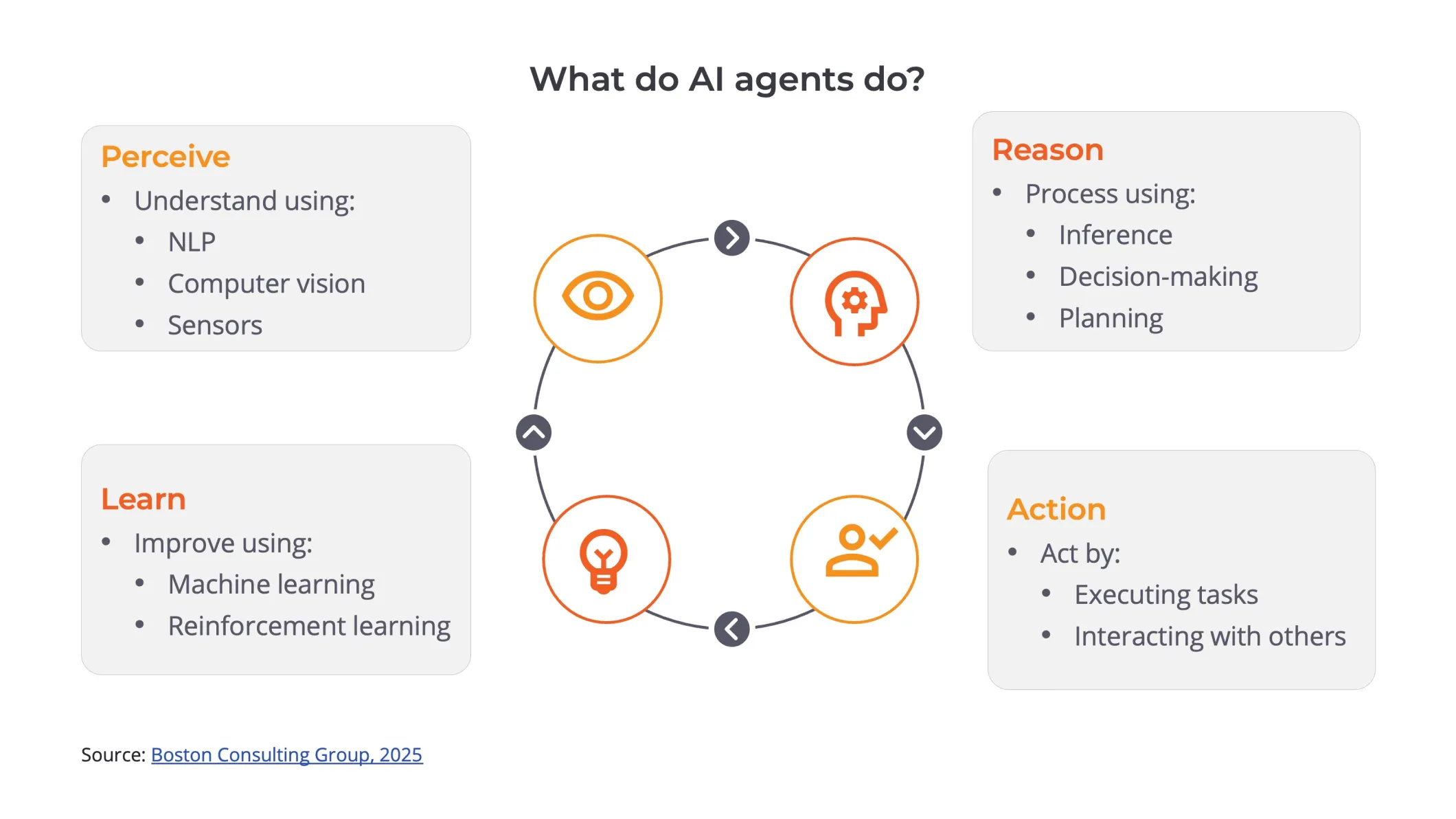
Finally, many teams overlook the hidden costs of multi-tenant architecture when setting prices. Underestimating the infrastructure overhead required to isolate data and manage access controls can erode margins faster than anticipated. Always model your unit economics against worst-case load scenarios, not just average usage. The image below illustrates how AI agents are reshaping these business models, emphasizing the need for dynamic, value-based pricing over static volume metrics.

No comments yet. Be the first to share your thoughts!