

Get middleware monetization right
Before building revenue streams, you must ensure your middleware layer actually supports the business model you intend to charge for. Monetizing an API gateway fails when the underlying architecture leaks value or creates friction that customers refuse to pay for. Start by auditing your current integration stack to identify where data flows break down or where redundant processing inflates costs without adding user value.
Audit for revenue leakage
Hidden inefficiencies in middleware often masquerade as necessary infrastructure costs. Systems that sync poorly with ERPs or payment gateways can cause transaction failures, duplicate records, or delayed settlements. These errors don't just frustrate users; they directly reduce the revenue you can capture. Check your logs for failed handshakes between payment methods—ACH, cards, and digital wallets—and quantify the financial impact of each failure. If your middleware cannot seamlessly integrate these methods, you are losing sales before they even reach your ledger.
Define the value proposition
Customers pay for clarity, reliability, and speed. Your middleware must make these tangible. Avoid building "feature bloat" where you add integrations that few users actually need. Instead, focus on the core connections that drive growth. For example, if your API gateway enables real-time inventory sync across multiple sales channels, highlight that specific capability in your pricing tiers. Charge for the outcome—reduced manual entry, faster reconciliation—not just for the number of API calls. This shifts the conversation from cost center to revenue enabler.
Test the billing logic
Your monetization strategy is only as good as the billing engine that supports it. Ensure your gateway can accurately track usage, apply tiered pricing, and handle edge cases like overages or refunds without manual intervention. A common mistake is underestimating the complexity of prorated billing or currency conversion. Test these scenarios rigorously. If your system cannot automatically generate an invoice for a customer who exceeded their API limit, you will spend more on collections than you earn in revenue.
Verify compliance and security
Financial data demands strict security. Before launching, ensure your middleware complies with PCI-DSS and other relevant financial regulations. A security breach doesn't just stop revenue; it destroys trust. Verify that your API gateway encrypts data in transit and at rest, and that it logs all access attempts for audit purposes. This isn't just a technical checkbox; it's a prerequisite for getting paid by enterprise clients who require proof of compliance.
How to Monetize Your API Gateway
To turn an API gateway into a revenue stream, you must move beyond simple access control and implement a billing layer that tracks usage in real time. This process requires integrating metering capabilities directly into your gateway configuration so that every request is counted, categorized, and linked to a specific customer account.
1. Configure Usage Metering and Tagging
The first technical step is to enable request logging and tagging within your gateway. You need to capture specific metadata for each API call, such as the endpoint, response time, and payload size. This data forms the foundation of your billing engine. Without accurate tags, you cannot distinguish between high-value transactions and background health checks. Ensure your gateway exports this data to a time-series database or a billing provider like Stripe or Chargebee via webhook.
2. Define Tiered Pricing Models
Next, structure your pricing tiers based on the data you collected in the previous step. Common models include per-request fees, volume-based tiers, and feature-gated subscriptions. For example, basic tiers might limit requests to 1,000 per month with standard latency, while premium tiers offer unlimited calls with priority routing. Clearly map these tiers to specific API keys or customer groups in your gateway’s access control list (ACL) to automate enforcement.
3. Implement Real-Time Quotas and Throttling
Enforce your pricing models by setting up real-time quotas and rate limits. When a customer exceeds their tier limit, the gateway should either throttle their requests or return a specific HTTP 429 status code. This prevents revenue leakage by ensuring that overages are either blocked or automatically upgraded to a higher-paying tier. Configure these limits to reset at the start of each billing cycle to maintain consistency.
4. Integrate Billing and Invoicing
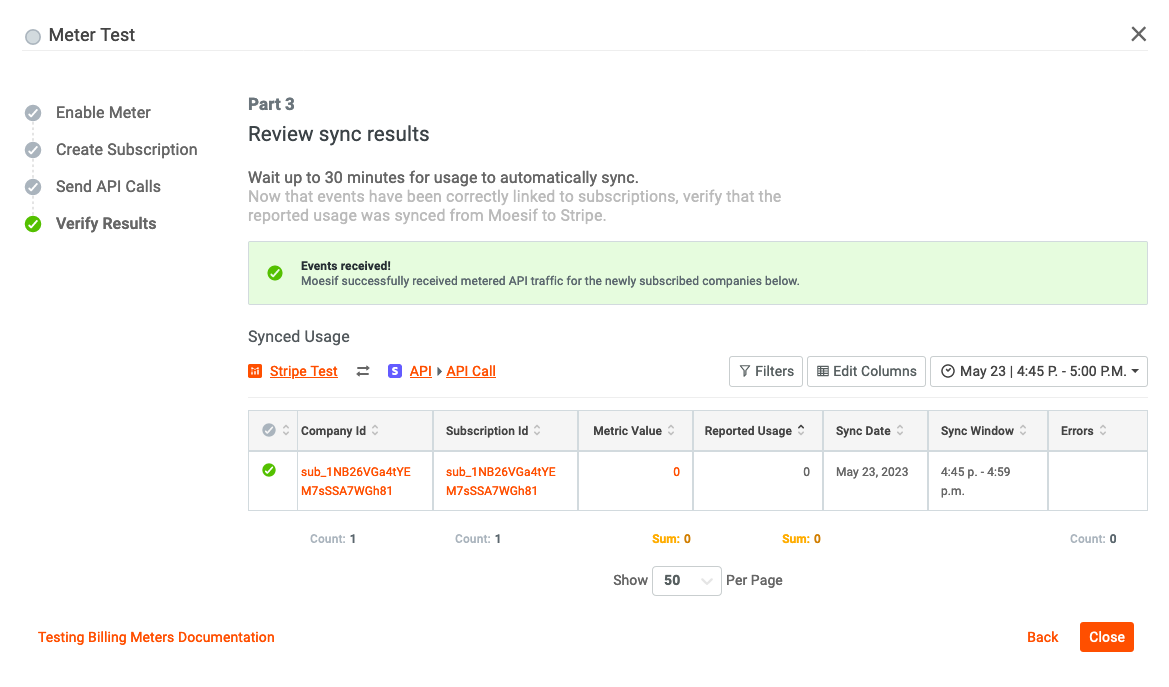
Connect your gateway’s usage data to your billing platform. Most modern gateways support plugins or native integrations with payment processors. This integration should automatically generate invoices based on the metered usage. Ensure that the data syncs daily or in real-time to avoid discrepancies. Test this flow with a sandbox account to verify that the billing amounts match the gateway logs exactly.
5. Monitor and Optimize
Finally, set up dashboards to monitor API performance and revenue metrics. Look for anomalies, such as sudden spikes in usage that don’t correlate with customer growth, which could indicate abuse or misconfigured clients. Regularly review your pricing tiers to ensure they remain competitive and profitable. Adjust quotas and limits based on actual usage patterns to balance accessibility with revenue goals.
Mistakes That Kill API Gateway Revenue
Monetizing your middleware-as-a-service platform requires precision. One misconfigured endpoint or poorly understood integration can turn a revenue stream into a liability. These common mistakes cause immediate financial leakage and long-term churn.
Ignoring Hidden Integration Costs
Many teams assume that once the API gateway is live, the work is done. This is a dangerous assumption. Every new integration point—whether it’s syncing with an ERP or connecting to a payment processor—introduces latency and potential failure points. If your middleware doesn’t handle these syncs efficiently, you’re not just losing performance; you’re leaking revenue through failed transactions and support tickets. Treat every integration as a cost center until proven otherwise.
Overlooking Data Consistency
In finance and digital payment systems, middleware is the unseen layer that allows software to accept payments and communicate with multiple gateways. If this layer fails to maintain data consistency across systems, errors compound. A mismatched transaction ID or a delayed status update can trigger chargebacks or duplicate billing. These aren’t just technical glitches; they are direct hits to your bottom line. Ensure your gateway validates data at the source, not just at the destination.
Underestimating Security Compliance
API gateways are the front door to your customers’ financial data. Failing to implement robust security protocols isn’t just a risk; it’s a business-ending mistake. Compliance isn’t a feature you add later; it’s the foundation of your monetization strategy. If your gateway doesn’t meet industry standards for encryption and access control, you’ll face fines, lawsuits, and lost trust. Build security into the gateway’s architecture from day one.
Middleware monetization: what to check next
Before committing to a monetization strategy, it helps to clarify what you are actually selling. Middleware is the unseen layer that allows software to accept payments, sync with ERPs, and communicate with multiple payment gateways or point-of-sale platforms. It supports seamless integration between payment methods like ACH, cards, and digital wallets.
Here are common questions about monetizing API gateways and middleware services.
Put Monetizing API Gateways into practice
No comments yet. Be the first to share your thoughts!