
Choose the right pricing model
Selecting a pricing structure is the first step in middleware monetization 2026. Your goal is to align your billing with how customers actually use your API gateway or ESB. A mismatch here creates friction: usage-based models may confuse enterprise buyers who need fixed costs, while flat tiers can leave money on the table for high-volume users.
Evaluate your middleware capabilities against three common models. Usage-based billing tracks every call, making it ideal for public APIs with variable demand. Tiered pricing groups features into set packages, offering predictability for internal or partner integrations. Hybrid models combine both, allowing you to charge a base fee for access and additional fees for peak usage.
Use the table below to compare these models across key dimensions like revenue predictability and implementation complexity.
| Model | Revenue Predictability | Implementation Complexity | Best For |
|---|---|---|---|
| Usage-Based | Low | High | Public APIs, variable traffic |
| Tiered | High | Medium | Enterprise SaaS, fixed SLAs |
| Hybrid | Medium | High | Mixed internal/external customers |
Start by auditing your current API traffic patterns. If demand is unpredictable, a usage model captures value during spikes. If your customers are large enterprises with stable budgets, tiered pricing reduces their administrative overhead. For most middleware platforms in 2026, a hybrid approach offers the best balance, capturing both stable base revenue and variable growth.
Implement billing infrastructure
Middleware monetization 2026 requires moving beyond simple access controls to a system that tracks usage and charges accurately. You cannot bill what you cannot measure, so the first step is embedding metering logic directly into your middleware layer. This ensures every API call is captured before it reaches the consumer.
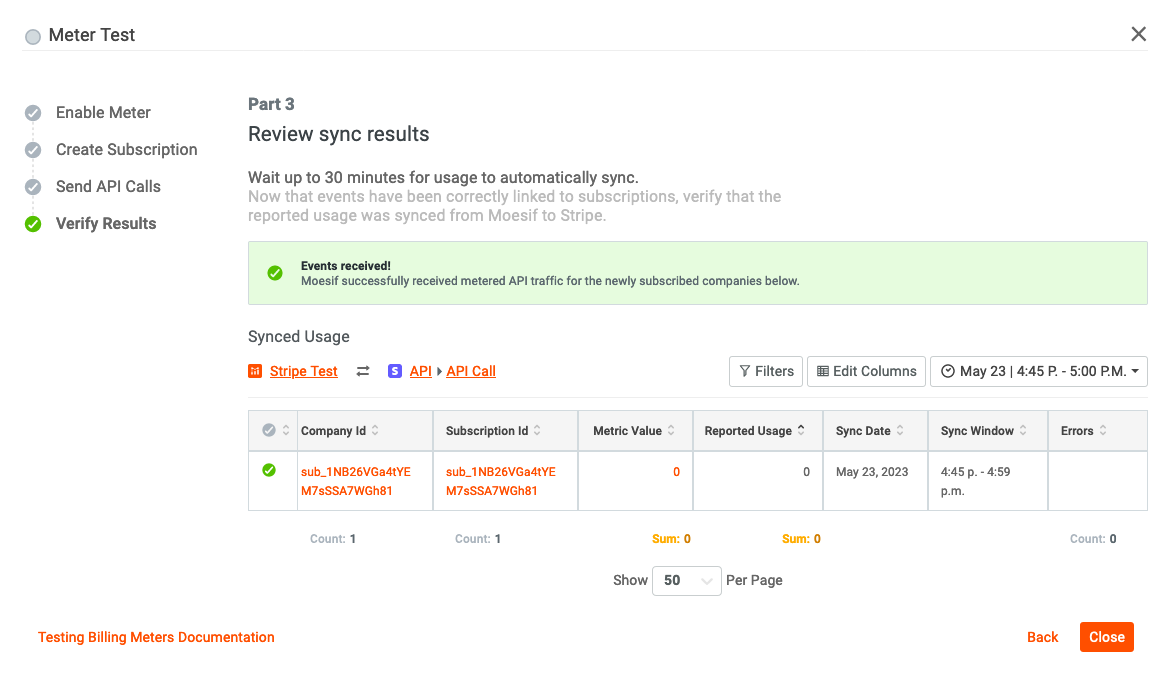
Configure your API gateway or middleware to intercept requests and append metadata. Tag each call with a unique session ID and timestamp. This raw event stream forms the foundation of your billing data, ensuring no transaction is lost during high-volume spikes.
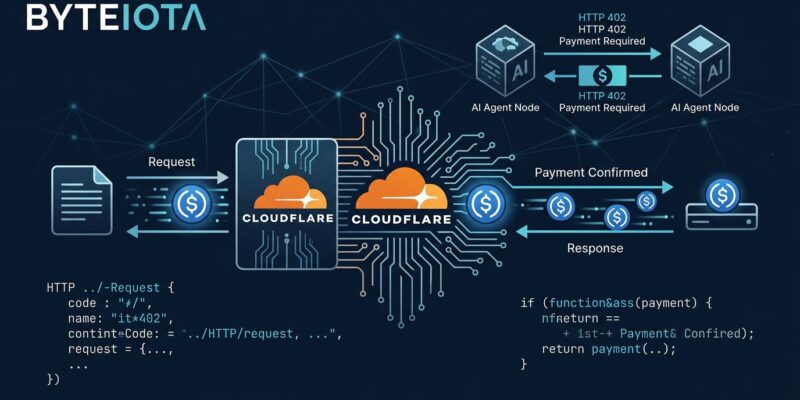
Raw logs are messy. Build a pipeline that aggregates these events into usable metrics (e.g., requests per minute, bytes transferred). Normalize these metrics into a standard format compatible with your billing provider, such as Stripe or Zuora. This step prevents billing discrepancies caused by inconsistent data structures.
Establish a real-time or near-real-time sync between your middleware and the billing engine. When a metered unit is confirmed, push the usage record to the provider’s API. This ensures invoices reflect actual consumption without requiring manual reconciliation later.
Implement a reconciliation loop that compares middleware logs against billing provider reports. Set up alerts for any variance exceeding a small threshold (e.g., 1%). This safety net catches edge cases like dropped packets or failed API calls that might otherwise lead to underbilling.
Avoid common billing mistakes
Inaccurate metering and opaque billing structures are the fastest ways to erode trust and revenue in middleware monetization 2026. When your API gateway fails to log every request or misaligns usage data with the final invoice, you create revenue leakage that compounds over time. Fixing these errors requires a disciplined approach to data integrity and customer communication.
Implement rigorous request logging
Revenue leakage often starts with missing data. If your middleware does not capture every API call, you cannot bill for it accurately. Ensure your gateway logs every request, including headers, timestamps, and payload sizes, before any processing occurs. This raw data is your source of truth.
Align pricing with actual value
A common pitfall is charging for capacity rather than consumption. In 2026, successful middleware monetization strategies emphasize hybrid models that align costs with actual usage. If a customer only uses a fraction of their allocated throughput, they should not pay for the unused portion. Transparent value-based pricing reduces friction and improves retention.
Provide transparent billing dashboards
Customers expect real-time visibility into their costs. If they cannot see how their usage translates to a bill, they will assume the worst. Provide a self-service dashboard that shows live usage metrics alongside projected costs. This transparency builds trust and reduces support tickets related to billing disputes.
Audit your billing logic regularly
Even with robust logging, edge cases can slip through. Schedule quarterly audits of your billing logic to ensure it matches your pricing policy. Test scenarios such as rate limiting, retries, and failed requests to verify that customers are charged correctly. These checks prevent small errors from becoming large financial discrepancies.
Optimize revenue with analytics
Middleware monetization 2026 strategies rely on turning raw API logs into actionable pricing intelligence. You cannot refine your billing model if you are guessing which endpoints drive value. By analyzing usage patterns, you identify high-revenue paths, detect waste, and structure upsell opportunities that customers actually want.
Identify high-value endpoints
Not all API calls are created equal. Some endpoints generate massive volume but low margin, while others are used sparingly but command premium rates. Use your middleware logs to segment traffic by endpoint and calculate the revenue-per-call ratio.
- Export usage logs from your gateway (e.g., Kong, Apigee, or AWS API Gateway) for the last 90 days.
- Group by endpoint path and sum the total requests.
- Apply your current pricing formula to each group to see gross revenue contribution.
- Flag the top 20% of endpoints that drive 80% of revenue. These are your "cash cows"—protect their SLAs and consider bundling them into higher-tier plans.
Refine pricing based on demand
Static pricing leaves money on the table. If an endpoint consistently hits rate limits during peak hours, you are likely underpricing it. Conversely, if an endpoint sits idle, it may be a drag on infrastructure costs without contributing to revenue.
Adjust your tiered pricing structures based on this data. For high-demand endpoints, consider introducing a "premium priority" add-on or raising the base price for that specific metric. For low-utilization endpoints, consider bundling them into a "starter" package to encourage adoption among smaller users. This dynamic approach ensures your pricing reflects actual market demand, a core principle in modern software monetization models.
Upsell through usage insights
Analytics are not just for internal optimization; they are your best sales tool. When a customer’s usage spikes near their plan limit, that is the moment to reach out with a tailored upsell offer.
Create automated alerts for accounts that exceed 80% of their monthly quota. Use these insights to propose a custom plan that fits their growth trajectory. This proactive approach reduces churn and increases lifetime value, turning raw data into direct revenue growth.
-
Validate that all API calls are tagged with customer IDs for accurate attribution.
-
Ensure billing metrics match gateway logs to prevent revenue leakage.
-
Set up automated alerts for usage spikes to trigger upsell conversations.
-
Review endpoint performance monthly to adjust pricing tiers.
No comments yet. Be the first to share your thoughts!