
Choose your middleware pricing model
Selecting the right revenue structure determines whether your middleware scales or stalls. The three primary models—tiered, usage-based, and hybrid—each serve different architectural needs. Your choice should align with how your users consume resources, whether that is through static data access, variable API calls, or a mix of both.
Start by evaluating your middleware type. Oracle networks and data availability layers often benefit from predictable, flat-fee subscriptions or tiered access. Bridge protocols, which handle transaction volume spikes, often align better with usage-based billing. Hybrid models combine both, offering a baseline subscription for core access and overage fees for heavy usage.
Use the comparison below to weigh the trade-offs between predictability and complexity. This framework helps you match the billing model to your specific infrastructure constraints.
| Model | Predictability | Implementation Complexity | Best For |
|---|---|---|---|
| Tiered | High | Low | Static data access, oracle nodes |
| Usage-Based | Low | Medium | Bridge protocols, high-volume APIs |
| Hybrid | Medium | High | Enterprise middleware, mixed workloads |
Once you select a model, ensure your billing infrastructure can handle the associated logic. Tiered models require clear feature gating. Usage-based models need accurate metering and real-time reporting. Hybrid models demand the most robust engineering to split and reconcile charges correctly. Test your billing logic with simulated traffic before launching to ensure accuracy.
Implement dynamic AI API pricing
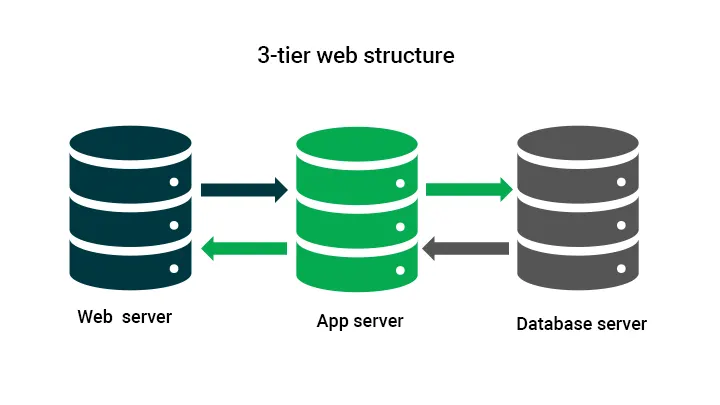
Static pricing models fail when inference costs fluctuate hourly. To capture margin in 2026, you must tie your API gateway’s billing logic to real-time telemetry. This approach shifts risk from your infrastructure to the consumer, ensuring that high-latency or data-heavy requests are priced accurately against the underlying compute cost.
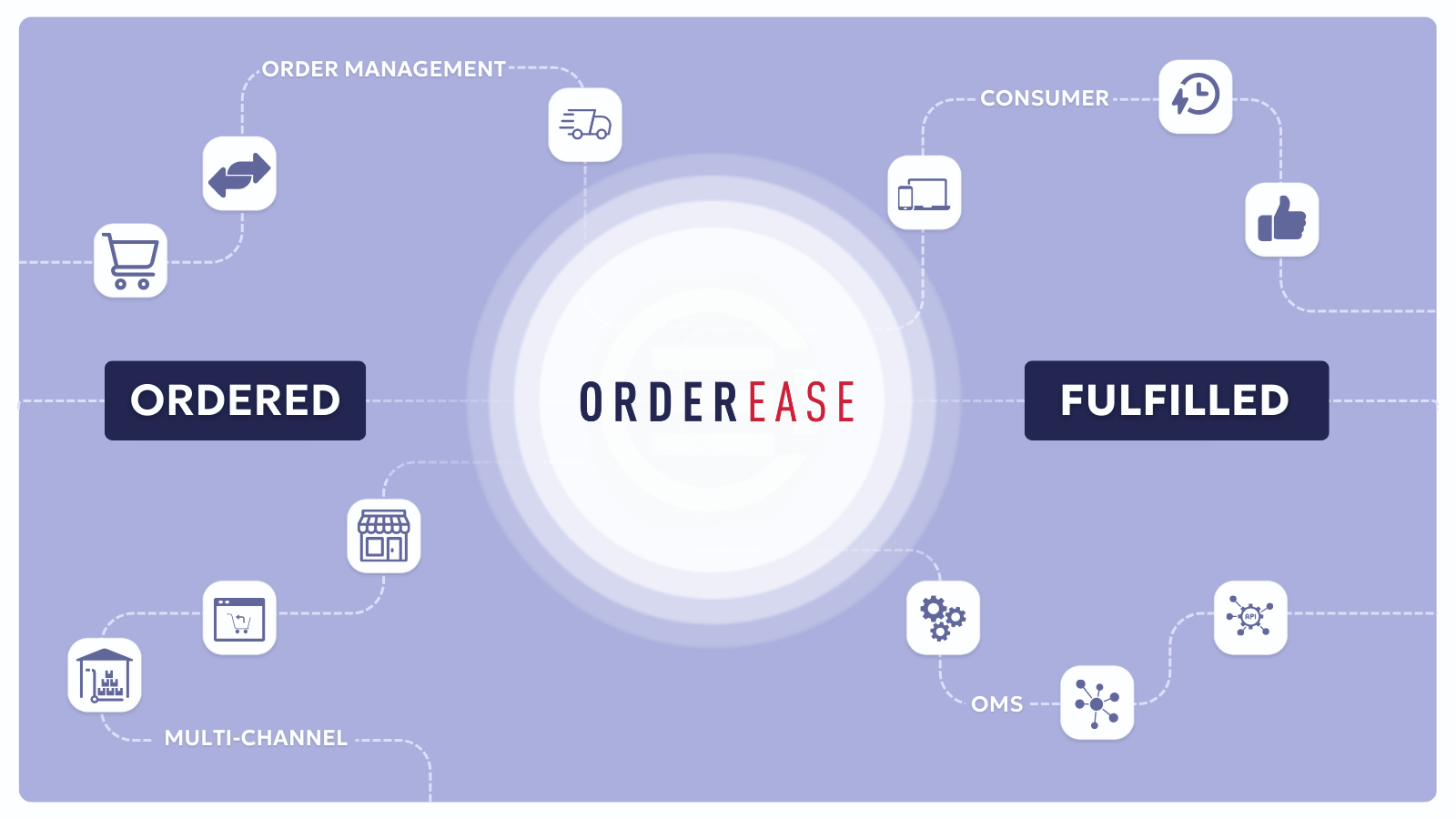
Before pricing can adjust, you must measure the actual cost of each inference. Instrument your middleware to capture GPU utilization, token count, and response latency for every request. Send this data to a time-series database. This telemetry forms the baseline for your dynamic pricing engine, distinguishing between cheap, cached responses and expensive, novel generations.
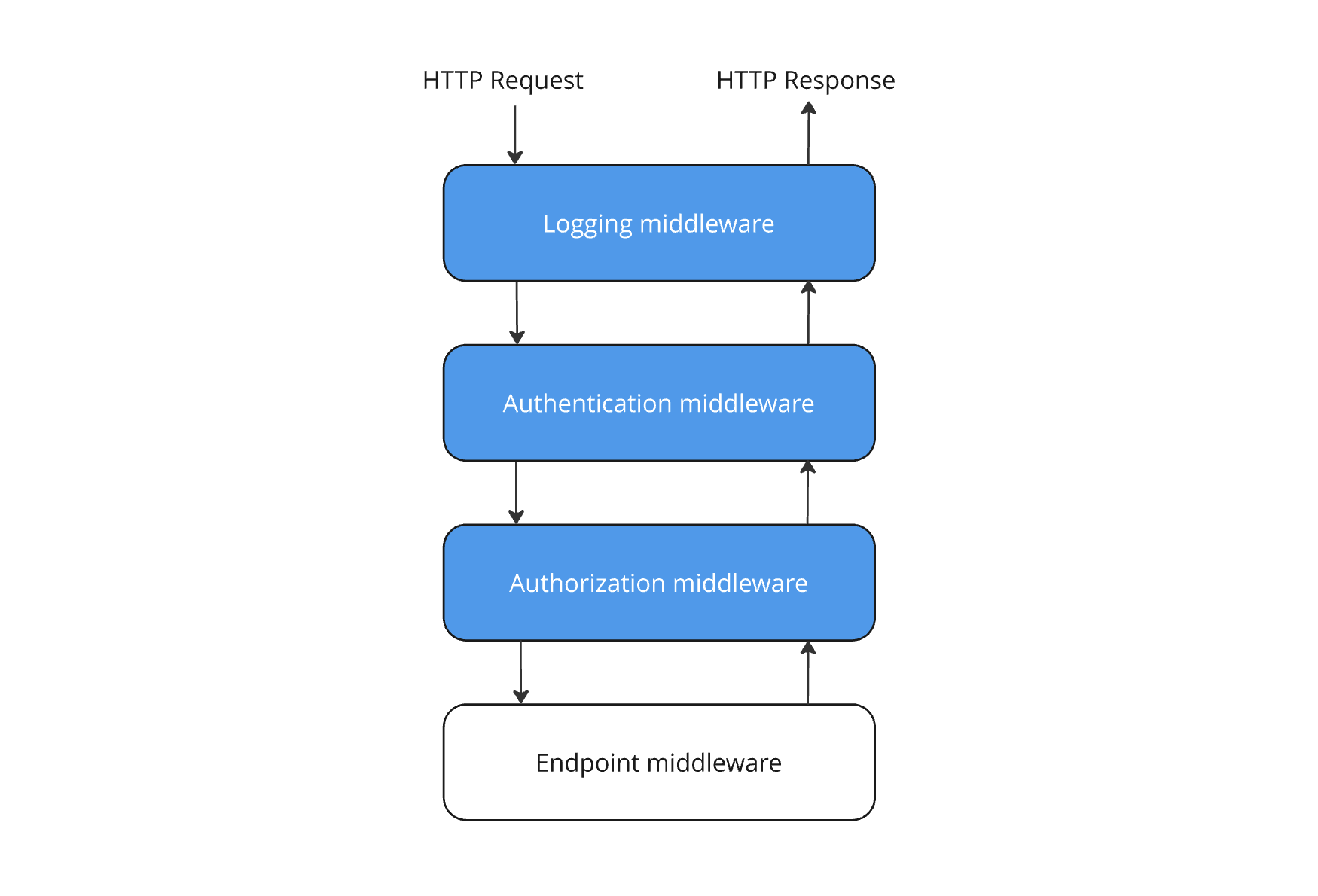
Map your telemetry to specific price multipliers. For example, configure your middleware to apply a 1.5x multiplier if latency exceeds 500ms, reflecting the higher compute load. Similarly, if your API serves real-time data, apply a premium for responses under 100ms. These rules should be stored in a configuration file or feature flag service, allowing you to adjust thresholds without redeploying code.
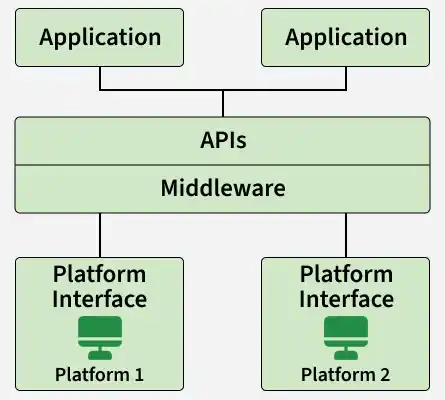
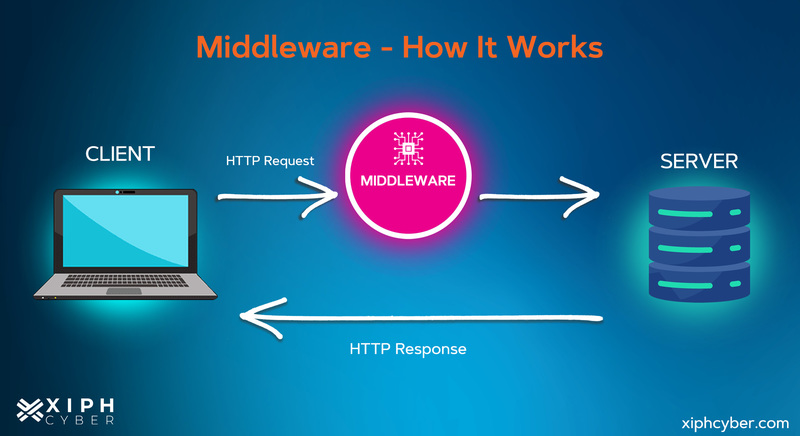
Connect your middleware to the pricing engine. When a request arrives, the gateway should calculate the final price before routing the traffic. If the calculated cost exceeds a user’s tier limit or budget, the gateway can return a 402 Payment Required error or downgrade the response quality (e.g., lower sampling rate). This integration ensures that dynamic pricing is enforced at the edge, not after the fact.
Dynamic pricing is not set-and-forget. Review your margin reports weekly. If you find that high-latency requests are rarely chosen by users, lower the penalty multiplier to encourage volume. Conversely, if infrastructure costs spike during peak hours, increase the premium to manage load. This continuous calibration keeps your pricing competitive while protecting your bottom line.
By anchoring your pricing to actual inference costs, you align your revenue with your operational reality. This strategy is increasingly standard for AI-native startups and is now being adopted by legacy SaaS providers to remain competitive in a volatile market [src-serp-6].
Structure Edge Computing Revenue Streams
Monetizing low-latency middleware at the edge requires a clear separation between the value of computation and the value of data movement. Unlike cloud-based models that often bundle these services, edge middleware must price them distinctly to capture the premium users pay for speed and privacy.
Price Compute Capacity
Charge for the actual processing power used to run inference or logic at the edge node. This model aligns with the high-performance requirements of real-time AI applications, such as video analytics or autonomous vehicle coordination. Providers like Revenera note that usage-based models are gaining traction as enterprises shift from static licensing to dynamic consumption. By metering CPU/GPU cycles, you ensure that heavy workloads are compensated fairly without overcharging light users.
Charge for Data Transfer
Isolate the cost of moving data from the edge to the cloud or between devices. In edge scenarios, bandwidth is often scarce or expensive, making data transfer a distinct value driver. This is particularly relevant in middleware layers that handle routing, privacy execution, or API aggregation. As seen in recent Solana stack developments, middleware monetization increasingly focuses on the efficiency of data routing rather than just storage. Pricing this separately allows you to offer lower compute costs to attract users while profiting from the high-volume data pipelines they rely on.
Combine with Tiered Access
For complex edge deployments, combine compute and transfer pricing into tiered service levels. A basic tier might include limited compute and capped data transfer, while premium tiers offer priority routing and unlimited processing. This structure simplifies billing for customers while maximizing revenue from high-intensity use cases. It also reduces churn by allowing customers to scale their costs alongside their actual edge usage.
Avoid Common Billing Integration Errors
Middleware monetization often fails not because of bad pricing models, but due to sloppy integration logic. When you charge for API calls, every retry, timeout, and webhook failure becomes a revenue leak or a customer trust violation. The following pitfalls are the most common reasons billing systems break under production load.
Double-Charging for Retries
Network latency is inevitable. When an API endpoint times out, clients automatically retry the request. If your middleware counts each retry as a new billable unit, you are effectively charging customers for your own infrastructure instability.
Implement idempotency keys to deduplicate requests. Only bill the first successful execution. This prevents the "retry storm" from inflating invoices and alienating users who see charges for work their system already completed.
Ignoring Webhook Delivery Failures
Webhooks are asynchronous. If your billing service sends a usage notification and the recipient’s server is down, that usage event is lost. If you don’t track delivery status, you either under-bill (losing revenue) or over-bill (sending duplicate invoices).
Use a retry queue with exponential backoff for all webhook deliveries. Log every attempt. If a webhook fails after five retries, flag the transaction for manual review rather than silently dropping it.
Misaligned Billing Cycles
Billing cycles that don’t match your middleware’s data aggregation window create reconciliation nightmares. If you aggregate usage in real-time but bill monthly, you’ll face constant disputes over "missing" or "double" usage during the final days of the cycle.
Synchronize your billing engine with your data pipeline. Aggregate usage in fixed, non-overlapping windows (e.g., UTC midnight to midnight) and generate invoices only after the window closes. This ensures every charge has a corresponding, verified data record.
Using Stale Usage Data
Charging based on cached usage data can lead to significant discrepancies. If your middleware caches usage for performance but the cache expires before the billing cycle ends, you’ll miss recent usage. Conversely, if the cache doesn’t invalidate properly, you might count the same usage multiple times.
Always pull final usage figures directly from your primary data store at the time of billing. Use caching only for real-time dashboards, never for invoice generation.
Not Handling Partial Successes
Some API operations are batched. If a batch of 100 records is sent, and 90 succeed while 10 fail, how do you bill? Charging for all 100 punishes the customer for your errors. Charging for 90 requires precise tracking of individual record outcomes.
Track success/failure at the granular level. Bill only for the 90 successful records. This transparency builds trust and reduces support tickets related to "incorrect" charges.
Forgetting to Bill for Overages
It’s easy to set up a base subscription fee and forget to configure overage charges. When a customer exceeds their plan limit, the middleware should automatically apply the overage rate. If this logic is missing, you lose revenue on high-usage clients.
Implement hard or soft limits with automatic overage billing. Clearly communicate these limits to customers in their dashboard so they aren’t surprised by unexpected charges.
Ignoring Currency Fluctuations
If you bill globally, currency fluctuations can erode your margins or cause billing errors. A fixed USD price might be too expensive for a customer in a weakening currency, leading to churn. Or, if you bill in local currency, exchange rate volatility can cause discrepancies.
Use a reputable currency conversion service. Apply the exchange rate at the time of the transaction, not at the time of the invoice generation. This ensures customers pay the equivalent value they agreed to, regardless of market shifts.
Not Testing Edge Cases
Production is messy. Test your billing integration with edge cases: empty responses, malformed data, network timeouts, and duplicate requests. If your billing system crashes or charges incorrectly during these tests, it will definitely fail in production.
Implement comprehensive unit and integration tests for all billing scenarios. Monitor your billing system’s error rates in production and alert on any anomalies.
Validate your middleware monetization stack
Before you launch, you must prove that your billing infrastructure can handle high-stakes financial transactions without data loss or compliance gaps. Middleware monetization requires more than just a pricing model; it demands a robust validation of your entire billing stack. Use this checklist to ensure your API gateway, billing engine, and reporting tools are aligned and ready for production.
Final Pre-Launch Checklist
- Transaction Integrity: Verify that every API call is accurately logged and attributed to the correct tenant or user. Use a middleware logger to capture request/response pairs, ensuring no data is dropped during high-volume spikes. This is the foundation of accurate billing.
- Compliance & Security: Confirm that your payment processing complies with PCI-DSS standards. Ensure that sensitive data, such as API keys and customer PII, is encrypted in transit and at rest. Run a final security audit to patch any vulnerabilities in your middleware layer.
- Error Handling & Idempotency: Test your system’s response to network failures and duplicate requests. Implement idempotency keys to prevent double-charging customers. Ensure that your billing engine retries failed transactions without creating duplicate invoices.
- Real-Time Reporting: Validate that your analytics dashboard reflects billing data in real time. Discrepancies between your API logs and your billing records can lead to revenue leakage and customer disputes. Ensure your reporting tools can handle the volume of your expected traffic.
Common Validation Mistakes
Many teams skip the "edge case" testing, assuming that happy-path transactions will cover all scenarios. This often leads to unexpected charges when users hit rate limits or when network latency causes duplicate requests. Always simulate high-latency environments and partial failures to stress-test your middleware’s billing logic.
Key Takeaways
- Middleware monetization relies on accurate data logging and attribution.
- Compliance with PCI-DSS is non-negotiable for financial transactions.
- Idempotency keys prevent double-charging during network failures.
- Real-time reporting ensures transparency and prevents revenue leakage.
Frequently asked questions about middleware pricing
Here are the most common technical and business questions regarding API and middleware monetization in 2026.
No comments yet. Be the first to share your thoughts!