
Define your middleware value proposition
Before building a monetization strategy, you must articulate exactly which integration friction point your middleware eliminates. Customers pay for reliability, speed, and reduced engineering overhead, not just connectivity. If your solution merely replicates what is available in open-source libraries like Apache Camel or Spring Cloud, you have no pricing power.
Identify the specific business outcome your middleware enables. Are you reducing API latency for high-frequency trading platforms? Are you ensuring HIPAA compliance for healthcare data exchanges? Or are you simplifying legacy mainframe integration for retail giants? The clearer the problem, the easier it is to justify a premium price tag.
To maximize return on investment, middleware should act as a force multiplier for your clients' engineering teams. According to Boomi, successful middleware implementations drive growth by automating complex data flows that would otherwise require manual intervention. Position your API not as a utility, but as a strategic asset that accelerates time-to-market for your customers' core products.
Ask yourself: What would happen to my client's bottom line if this integration failed? If the answer is "minor delay," you have a feature, not a product. If the answer is "significant revenue loss or regulatory fine," you have a monetizable middleware value proposition.
Compare middleware monetization models
Middleware APIs sit between your core services and the end user, making the choice of pricing model a direct lever on revenue stability and customer acquisition. The right model depends on whether your middleware handles high-volume transactional data or provides steady-state connectivity.
Tiered access
Tiered pricing structures features or request limits into distinct packages. This model works best for middleware that offers varying levels of support, SLA guarantees, or data retention periods. It provides predictable revenue for you and clear budgeting for the buyer.
Usage-based billing
Usage-based models charge per API call, megabyte transferred, or active connection. This aligns costs directly with value received, making it easier for startups to adopt your middleware without upfront commitment. However, it requires robust metering infrastructure to track consumption accurately.
Enterprise licensing
Enterprise licensing involves negotiated contracts for unlimited or capped access, often bundled with dedicated support and custom integration work. This model is ideal for middleware that serves as critical infrastructure for large organizations, where stability and compliance outweigh per-unit cost concerns.
Side-by-side comparison
Use the table below to evaluate which model aligns with your middleware's technical architecture and market position.
| Model | Revenue Stability | Billing Complexity | Best Use Case |
|---|---|---|---|
| Tiered | High | Low | SaaS middleware with feature gates |
| Usage-based | Variable | High | High-volume transactional APIs |
| Enterprise | Very High | High | Critical infrastructure & compliance needs |
Implement secure API access controls
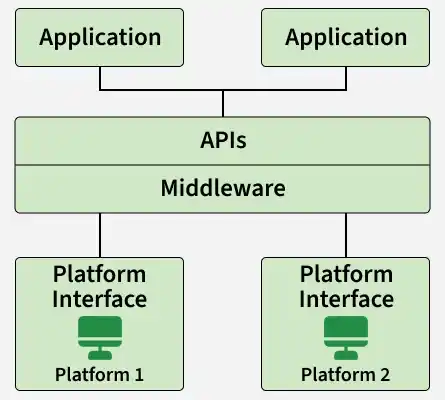
Protecting your middleware API is the first step in safeguarding your revenue. Without strict access controls, unauthorized users can drain your quotas or expose sensitive data, turning potential income into liability. This section outlines the technical workflow for implementing authentication, rate limiting, and key management to ensure your API remains secure and profitable.
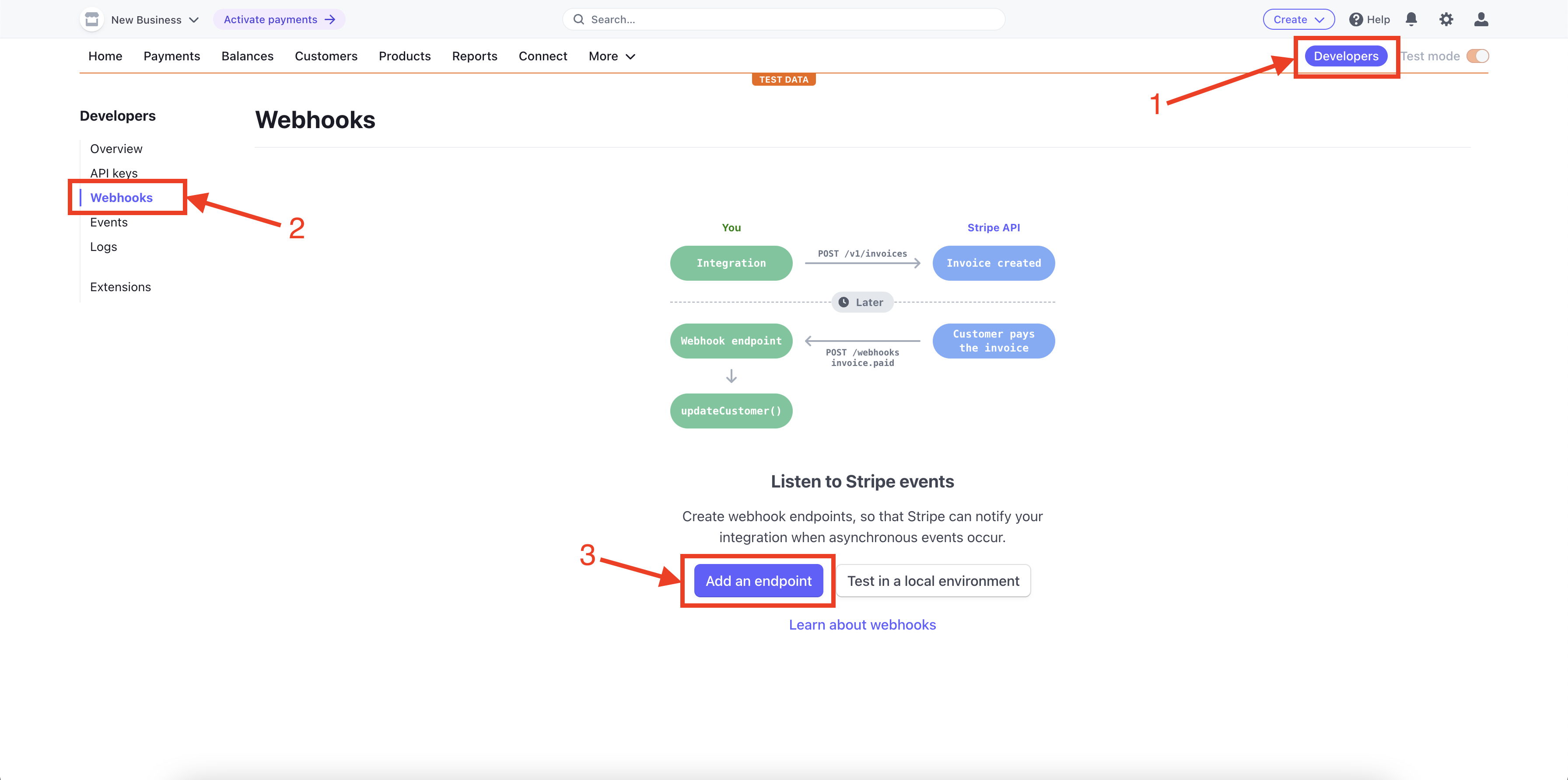
Start by assigning a unique API key to every client. This key acts as a digital ID, allowing your middleware to identify who is making the request. Distribute these keys through a secure developer portal or direct onboarding process, never through public URLs or unencrypted channels. Each key should be tied to a specific account or project to enable granular tracking and billing later.
Middleware must verify the API key on every incoming request. Reject any request that lacks a valid key or presents an expired one. Use standard protocols like OAuth 2.0 or simple Bearer token authentication. This step ensures that only authenticated clients can interact with your services, preventing anonymous access that could lead to data leaks or unauthorized usage.
Rate limiting protects your infrastructure from abuse and ensures fair usage among paying customers. Set limits based on your pricing tiers—for example, 1,000 requests per hour for free users and 100,000 for premium plans. Implement these limits at the middleware layer using tools like Redis or Nginx. When a client exceeds their limit, return a 429 Too Many Requests status code with a clear Retry-After header.

Security is not a one-time setup. Allow clients to rotate their API keys regularly to minimize the impact of potential leaks. Provide an endpoint in your developer portal where users can generate new keys and invalidate old ones. Additionally, enable manual revocation for your admin team to immediately disable compromised keys without affecting other users on the same account.
Continuous monitoring is essential for maintaining security. Log every API call, including the key used, timestamp, and response status. Use this data to detect unusual patterns, such as sudden spikes in traffic or requests from unfamiliar IP addresses. Set up alerts for suspicious activity so you can investigate and respond before it impacts your revenue or service stability.
Implementing these controls creates a robust foundation for monetizing your middleware. By securing access and managing usage, you protect your revenue streams while providing a reliable experience for your clients.
Build a developer self-service portal
Enterprise buyers abandon API integrations when they face manual onboarding or sparse documentation. A self-service portal removes these friction points by letting developers access documentation, test in sandbox environments, and generate API keys without waiting for a sales engineer.
This approach mirrors the efficiency gains seen in mature middleware ecosystems, where reducing integration time directly correlates with higher ROI. By shifting routine tasks to automated workflows, you free your engineering team to focus on complex, high-value architectural problems rather than credential management.
Structure the portal
Start by centralizing your API documentation. Use tools like Swagger or OpenAPI to generate interactive specs that allow developers to test endpoints directly from the browser. Ensure the documentation includes clear code snippets in popular languages such as Python, Java, and JavaScript.
Next, provision a sandbox environment that mirrors production data structures without the risk of corrupting live records. Developers need to see realistic error codes and rate limits to understand your system's behavior before committing to a commercial contract.
Automate onboarding
Implement an automated identity and access management (IAM) flow. Allow users to register, verify their email, and receive API keys instantly. This immediate gratification reduces the drop-off rate between interest and actual usage.
Consider adding a usage dashboard where developers can monitor their consumption, set budget alerts, and upgrade their tier. This transparency builds trust and provides your revenue team with data on which features drive the most engagement.
Validate with metrics
Track the time-to-first-call metric. This measures how long it takes from a user’s first visit to their first successful API request. A well-optimized portal should reduce this time to under ten minutes.
Monitor support ticket volume related to authentication and setup. A successful self-service model should see these tickets drop significantly as documentation and automation improve. If tickets remain high, revisit the clarity of your error messages and the ease of your onboarding flow.
Monitor usage and optimize pricing
To maximize ROI from middleware APIs, you must treat usage data as a leading indicator of customer health, not just a billing receipt. Tracking consumption metrics allows you to identify churn risks early and adjust pricing tiers to match the value delivered. This approach shifts your focus from simple revenue collection to strategic account management.
Start by establishing a baseline for normal API consumption. Monitor metrics such as request volume, error rates, and peak usage times. A sudden drop in request volume is often the first sign of a customer migrating to a competitor or abandoning the integration. By setting alerts for these deviations, you can intervene before the contract ends.
Use this data to refine your pricing tiers. If a segment of users consistently exceeds their tier limits, they are likely underserved and at risk of leaving for a more flexible provider. Create a mid-tier option that captures this demand without cannibalizing your premium plans. Conversely, if many users rarely hit their limits, consider introducing a lower-cost entry tier to attract smaller businesses.
Regularly audit your pricing model against usage patterns. Boomi suggests that achieving maximum ROI requires aligning middleware capabilities with actual growth needs rather than static assumptions. Adjust your tiers annually based on this data to ensure your pricing reflects the current value proposition.
-
Track request volume trends to spot churn risks early
-
Monitor error rates to identify integration friction
-
Analyze peak usage times to optimize server costs
-
Adjust pricing tiers based on actual consumption data
No comments yet. Be the first to share your thoughts!