
Map your integration value chain
Middleware Monetization works best as a clear sequence: define the constraint, compare the realistic options, test the tradeoff, and choose the path with the fewest hidden costs. That order keeps the advice usable instead of decorative. After each step, pause long enough to check whether the recommendation still fits the reader's actual situation. If it depends on perfect timing, unusual access, or a best-case budget, include a simpler fallback.


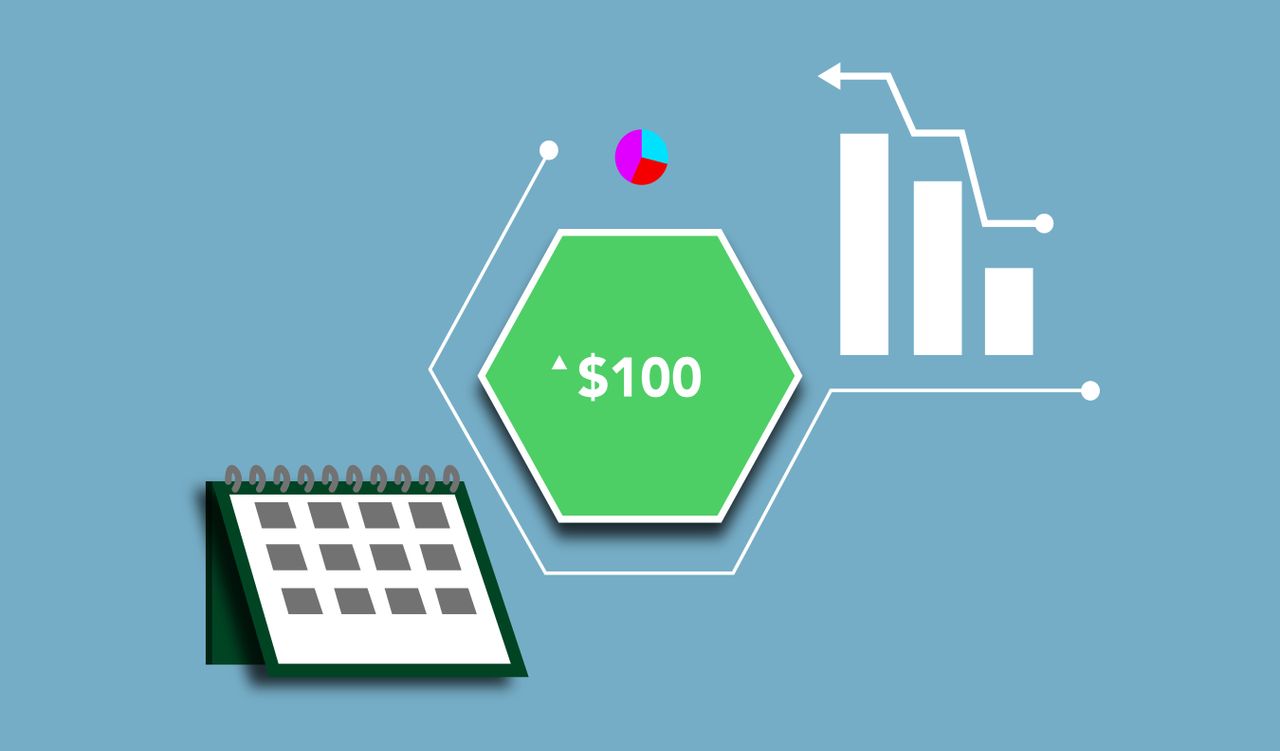
Choose your API gateway revenue model
Selecting the right pricing structure is the foundation of middleware monetization. Your choice dictates how customers perceive value and how you manage operational costs. The three primary models are tiered, usage-based, and hybrid. Each serves different customer behaviors and infrastructure realities.
Tiered pricing
Tiered pricing bundles features or volume limits into fixed monthly plans. This model works best when your middleware supports distinct customer segments with varying needs. Enterprise clients often prefer predictable costs, while smaller teams may start with a free or low-cost tier. This structure simplifies budgeting for buyers but requires careful feature gating to prevent churn.
Usage-based pricing
Usage-based pricing charges customers strictly for what they consume, such as API calls, data processed, or compute time. This aligns costs directly with value delivered, making it ideal for high-volume or unpredictable workloads. Customers appreciate the fairness, but you must implement robust monitoring to prevent unexpected bills. This model scales naturally with your customer base, though revenue forecasting can be volatile.
Hybrid pricing
Hybrid models combine base subscriptions with overage charges for usage beyond included limits. This approach balances predictability for both you and your customers. It is particularly effective for middleware that has fixed infrastructure costs plus variable usage spikes. Many successful API gateways start with a hybrid model to capture recurring revenue while monetizing peak demand.
| Model | Revenue Predictability | Billing Complexity | Best For |
|---|---|---|---|
| Tiered | High | Low | Enterprises, predictable users |
| Usage-Based | Low | High | Startups, high-volume users |
| Hybrid | Medium | Medium | Most middleware services |
Implementation steps
- Analyze your cost structure: Determine your fixed infrastructure costs versus variable expenses. This identifies your break-even point per user.
- Survey your target users: Ask potential customers how they prefer to pay. Some enterprises require fixed invoices; others prefer pay-as-you-go.
- Prototype with a gateway: Use an API gateway like Zuplo or Kong to implement your chosen model. These tools often have built-in monetization plugins or Stripe integrations to handle billing automatically.
- Monitor and adjust: Launch with a pilot group. Track conversion rates and churn. Adjust tier limits or overage rates based on real usage data.
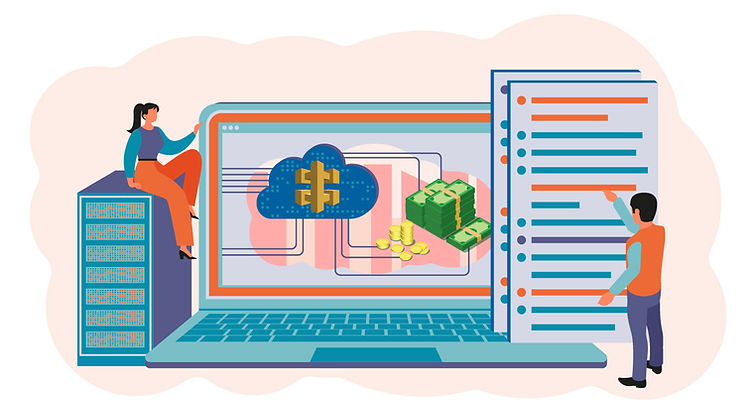
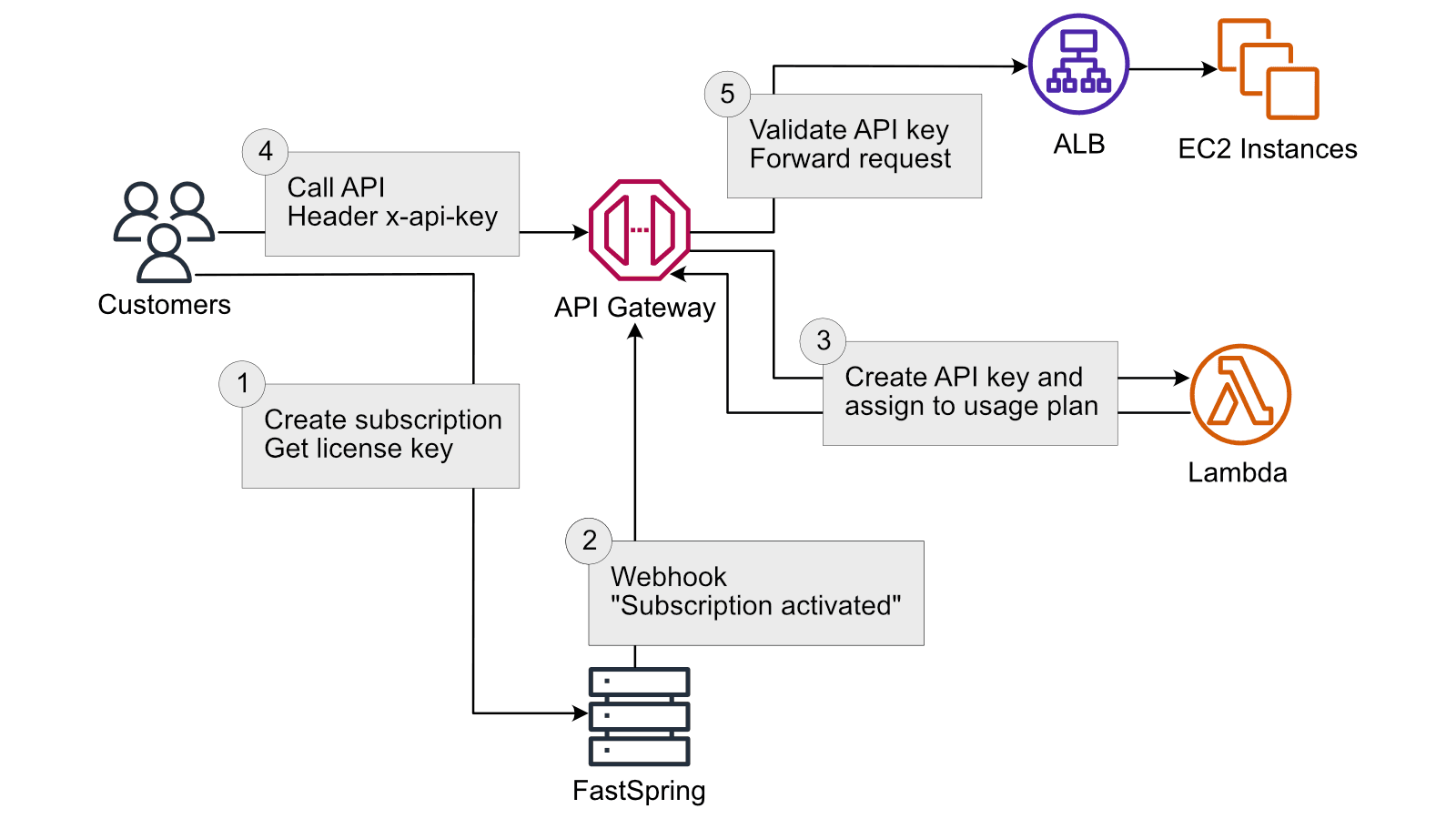
Configure billing and access controls
Middleware Monetization works best as a sequence, not a scramble through settings. Do the minimum first: confirm compatibility, connect the core hardware, update only when needed, and test the result before adding optional features. That order keeps the task understandable and makes failures easier to isolate. After each step, pause long enough for the interface to finish syncing. Many setup problems are timing problems disguised as configuration problems. If the same step fails twice, record the exact error, restart the smallest affected piece, and retry before moving deeper.
Avoid common pricing mistakes
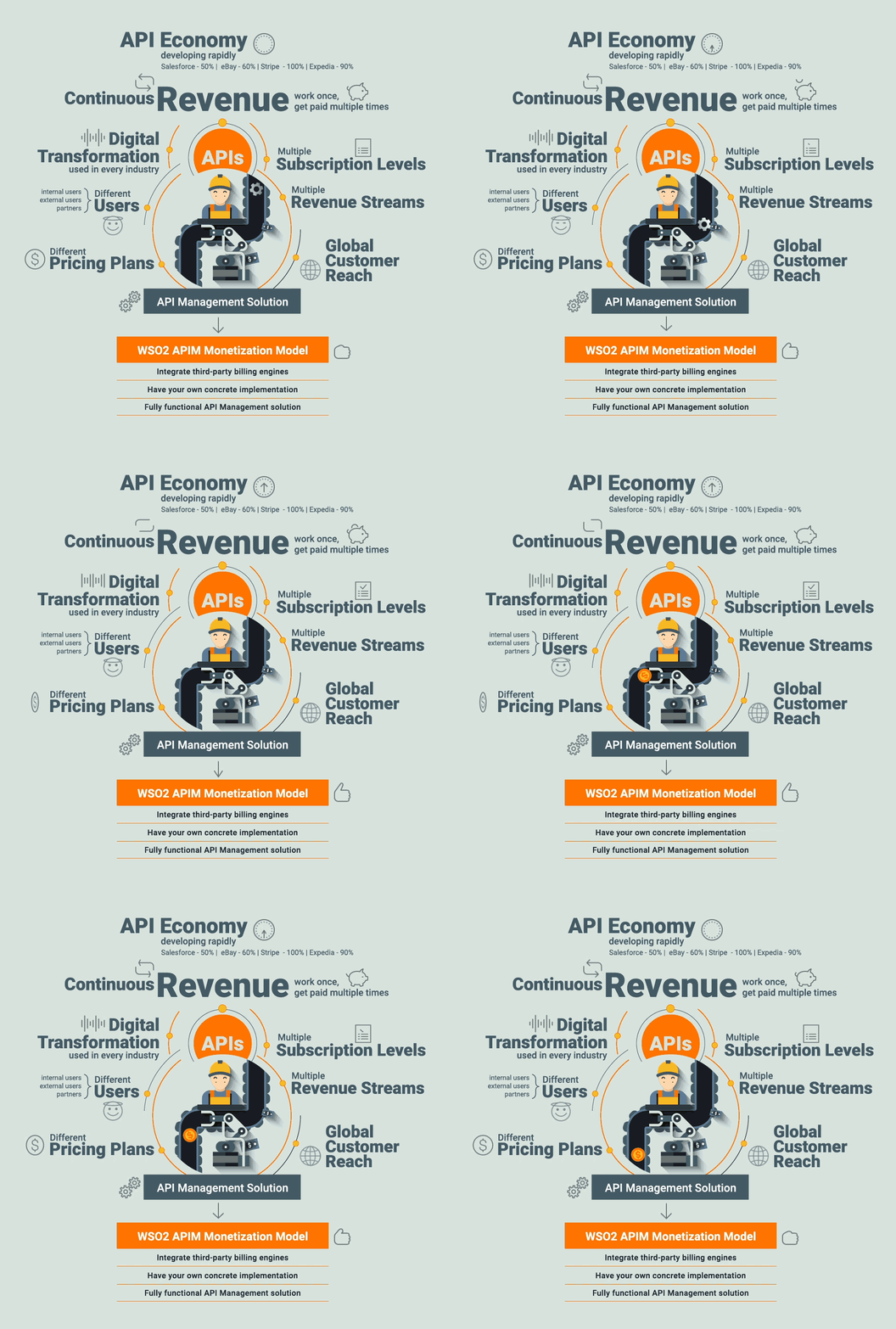
Pricing middleware is often where good products fail to generate revenue. The most frequent error is charging for technical throughput rather than business value. When you bill based on API calls, data volume, or message queues, you align your costs with the customer’s infrastructure expenses, not their outcomes. This model creates friction because every optimization the customer makes to save money directly reduces your revenue.
Instead, tie pricing to the value the middleware unlocks. If your integration layer reduces development time or prevents system downtime, price based on those savings. A flat per-application fee or a tiered model based on active endpoints is often more sustainable than variable usage fees. This approach stabilizes your revenue and makes it easier for enterprise buyers to justify the expense in their budgets.
Another critical mistake is ignoring enterprise tier needs. Many middleware providers design their pricing for small teams or developers, neglecting the requirements of large organizations. Enterprises need single sign-on (SSO), audit logs, dedicated support, and compliance certifications like SOC 2. If these features are locked behind unreasonably high tiers or not offered at all, you lose the largest potential revenue segment.
To correct this, structure your tiers to reflect real organizational scales. Include essential enterprise features in a mid-to-high tier that is accessible to growing companies, rather than reserving them for a custom sales quote. This clarity encourages faster adoption and reduces the sales cycle. Regularly review your pricing against competitor offerings and customer feedback to ensure you are capturing the full value of your integration capabilities.
List specialized endpoints on marketplaces
Distributing monetized API endpoints through third-party marketplaces expands your reach to developer segments you cannot access directly. By listing specialized endpoints or add-on services, you allow developers to discover, test, and purchase your middleware alongside competing tools. This strategy transforms isolated API calls into visible products within established developer ecosystems.
Before publishing, ensure your integration meets marketplace requirements for discoverability and trust. A pre-launch checklist helps avoid common rejection reasons or poor conversion rates.
-
Complete public documentation with code examples and SDK links
-
Provide sandbox or trial access for immediate testing
-
Define clear pricing tiers and usage limits
-
Establish support channels for developer inquiries
Select platforms that align with your target audience. For general-purpose APIs, large aggregators offer broad visibility, while niche marketplaces provide higher intent traffic from specific verticals. Review each platform’s technical requirements for authentication, rate limiting, and data privacy compliance before submission.
Once listed, monitor performance metrics such as click-through rates and activation times. Use this data to refine your endpoint descriptions and pricing models. Regular updates to documentation based on user feedback keep your offerings competitive and reduce friction for new adopters.
Frequently asked: what to check next
How should I structure middleware free tiers?
Free tiers act as acquisition tools, not profit centers. The goal is to drive usage toward paid features that solve specific pain points. According to the 2026 Monetization Monitor, successful models limit high-value operations—such as advanced analytics or priority support—while keeping core connectivity free. This approach balances user acquisition with clear upsell paths.
What is the best billing integration for middleware?
Direct billing integration reduces friction and improves conversion rates. Platforms like Stripe or Paddle handle complex tax compliance and recurring payment logic, allowing you to focus on product value. Avoid custom billing solutions unless you have specialized enterprise requirements, as they introduce significant security and maintenance overhead.
How do I price enterprise middleware contracts?
Enterprise pricing should reflect total value, not just technical capacity. Base fees should cover core access, while premium tiers add security, compliance, and dedicated support. Use the Revenera benchmark to align your feature gates with market expectations, ensuring that higher tiers offer tangible operational advantages for large-scale deployments.
No comments yet. Be the first to share your thoughts!