
Get middleware monetization right
Turning API connectivity into recurring revenue requires more than just exposing endpoints. Before you build, you must establish the technical and commercial foundations that allow you to track usage and charge accurately. Without these prerequisites, you risk building a system that cannot scale or generate predictable income.
Define your pricing model and tracking
Middleware monetization starts with moving beyond simple access controls. You need a system that tracks usage and charges accurately. Decide whether you will charge per transaction, a flat subscription, or a tiered volume model. This decision dictates the data points you must capture in your middleware layer.
Assess technical prerequisites
Managing middleware requires specific technical skills. Your team needs strong server management and networking knowledge, along with proficiency in scripting languages like Java, Python, or Shell. You must also ensure your infrastructure supports the security protocols and database management required for transactional integrity.
Audit your integration scope
Clarify what your middleware actually does. Payment middleware connects applications to various payment gateways through one unified interface, removing the need for individual gateway integrations. Transaction middleware handles the functionality for multitier applications. Understanding these distinctions helps you scope the monetization logic correctly.
Set up compliance and security
Since this involves financial data, security is non-negotiable. Ensure your middleware complies with relevant financial regulations. This includes data encryption, secure authentication, and audit trails. A breach here doesn't just lose revenue; it destroys trust.
-
Define pricing model (per-transaction, subscription, or tiered)
-
Ensure team has server, networking, and scripting skills
-
Map out which data points need tracking for billing
-
Verify security protocols and compliance requirements
Turn API Connectivity into Recurring Revenue
Monetizing middleware requires moving beyond simple access controls to a system that tracks usage and charges accurately. The goal is to embed billing logic directly into your API gateway or middleware layer so that every request generates a measurable event. This approach transforms raw connectivity into a predictable revenue stream rather than a fixed cost center.
Follow these steps to build a functional middleware monetization pipeline.

Start by selecting a pricing structure that aligns with how your users consume the API. Common models include pay-per-call, tiered subscription, or metered usage based on data volume. Avoid complex hybrid models until you have enough transaction data to understand actual usage patterns. Your pricing must be simple enough for developers to estimate costs before integration.
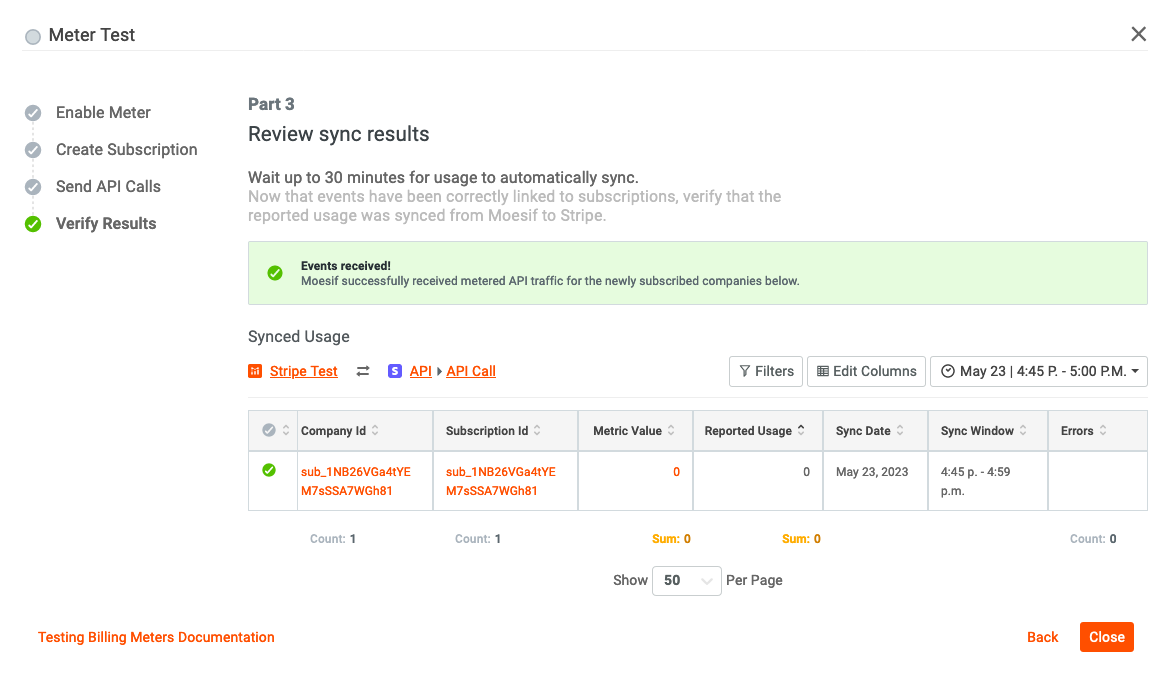
Inject logging logic into your middleware layer to capture every API request. You need to record metadata such as the caller ID, timestamp, endpoint accessed, and response size. This telemetry data becomes the source of truth for your billing engine. Ensure your logging is efficient enough to handle peak loads without introducing latency that degrades the developer experience.
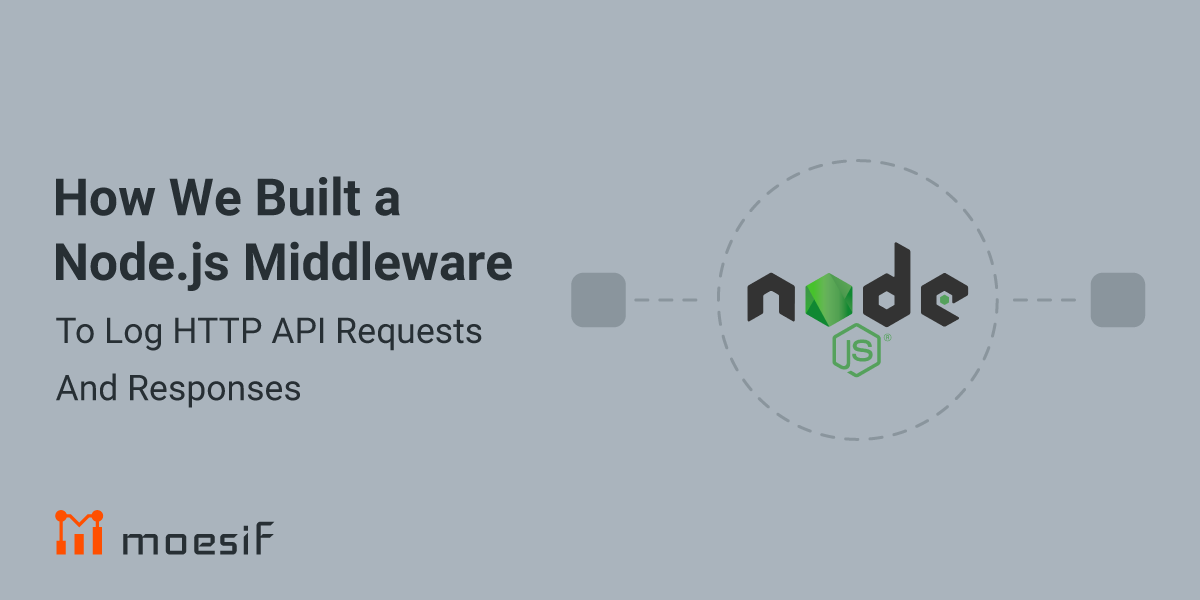
Connect your telemetry data to a billing provider like Stripe or a specialized API monetization platform. The middleware should push usage events to this gateway in near real-time. This integration allows you to generate invoices automatically based on the tracked metrics. It also enables you to set up alerts for users who exceed their spending limits.
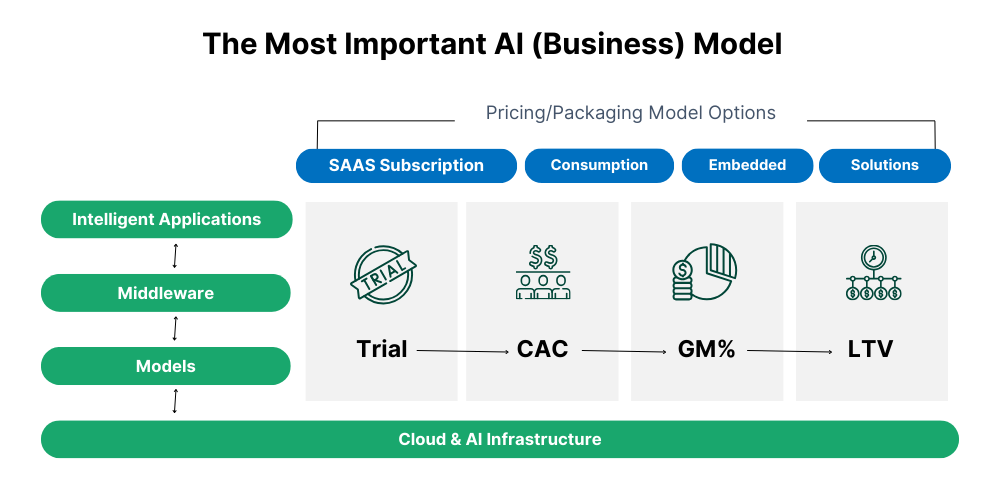
Set up strict rate limits to protect your infrastructure from abuse and ensure fair usage. The middleware should reject requests that exceed the user’s purchased tier or budget. This enforcement happens at the gateway level, preventing expensive or unauthorized calls from reaching your backend services. Clear error responses help developers understand why their requests were blocked.
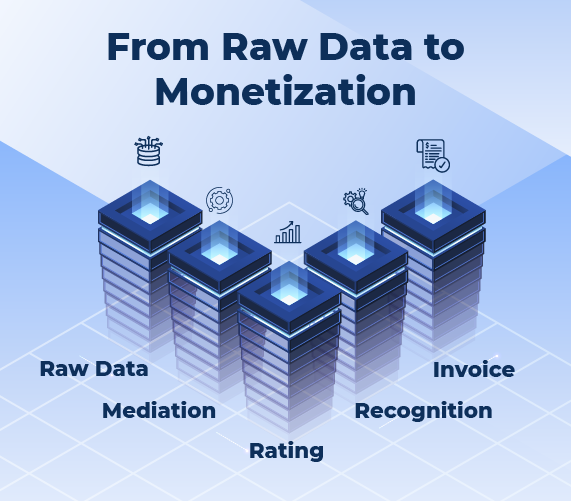
Create a self-service portal where users can view their usage metrics, current bills, and API keys. Transparency builds trust and reduces support tickets regarding billing discrepancies. Developers should be able to upgrade their plans or adjust their rate limits without contacting your sales team. This autonomy speeds up the sales cycle and improves customer satisfaction.
Common Middleware Monetization Mistakes
Even well-architected API gateways can leak revenue if the business logic isn't aligned with the technical implementation. The most frequent error is treating middleware as a simple traffic router rather than a transactional ledger. When you fail to track usage accurately, you cannot charge accurately. This section highlights the specific operational and technical missteps that prevent middleware from generating recurring revenue.
Ignoring Granular Usage Tracking
Simple access controls are insufficient for monetization. If your middleware only permits or denies requests without logging the volume, type, or complexity of each API call, you are flying blind. You need a system that records every transaction to support tiered pricing or pay-per-use models. Without this data, you cannot bill clients fairly or identify which API endpoints drive the most value.
Overlooking Latency and Throughput Costs
Revenue calculations often ignore the infrastructure cost of high-volume transactions. Middleware that introduces significant latency or fails to scale during peak loads can cause clients to abandon the integration, leading to churn. You must account for the computational overhead of every request. If the cost of processing exceeds the marginal revenue of the transaction, the model is unsustainable.
Neglecting Security and Compliance Audits
Middleware often sits between sensitive data sources and external consumers. Failing to implement robust security protocols, such as encryption at rest and in transit, exposes the business to liability. Additionally, ignoring compliance requirements like GDPR or PCI-DSS can lead to heavy fines and loss of trust. Regular audits are not optional; they are a prerequisite for long-term monetization.
Poor Error Handling and Client Support
When API calls fail, the middleware must provide clear, actionable error messages. Vague responses force clients to spend time debugging, increasing their operational costs and frustration. A lack of transparent error handling leads to higher support tickets and lower client retention. Ensure your middleware logs detailed error contexts to help both your team and your clients resolve issues quickly.
Middleware monetization: what to check next
Before committing to a middleware strategy, it helps to separate the software layer from the revenue model. Middleware monetization relies on accurate usage tracking and clear pricing structures, not just basic access controls. The following questions address common technical and operational concerns.
No comments yet. Be the first to share your thoughts!