

Why middleware monetization matters now
For years, middleware has been treated as a necessary cost center—a silent utility that keeps internal systems talking. It routes data, manages security, and ensures stability, but it rarely appears on the balance sheet as a profit driver. That dynamic is shifting. As organizations face pressure to justify IT spend, the narrative is changing from "how do we make this faster?" to "how do we make this pay for itself?"
The shift toward middleware monetization is driven by the maturity of API-first architectures. Data silos are no longer just internal inefficiencies; they are potential products. By wrapping legacy data and transactional logic in monetizable API endpoints, companies can turn internal infrastructure into external revenue streams. This is not about selling raw data, which carries significant privacy and compliance risks. It is about selling the utility of that data—the ability for partners, developers, or customers to access specific business logic or real-time information through a reliable, managed interface.
This transition is particularly critical in 2026. The market is saturated with APIs, but few are monetized effectively. Most organizations still lack the granular usage tracking and accurate billing systems required to charge for API consumption. Monetizing middleware requires moving beyond simple access controls to implement precise usage metering. The goal is to embed pricing logic directly into the middleware layer, ensuring that every request processed contributes to the bottom line. This approach transforms middleware from a black box of cost into a transparent, measurable asset.
Choose your pricing model
Selecting the right middleware monetization strategy depends on how your customers consume data and the predictability they require. There is no single best approach; instead, the choice hinges on aligning the pricing structure with the specific value drivers of your middleware type.
The three primary models—tiered, usage-based, and hybrid—offer distinct advantages depending on your infrastructure costs and customer expectations. Tiered plans suit stable, enterprise-level contracts where features drive value. Usage-based pricing aligns revenue directly with consumption, ideal for variable workloads. Hybrid models combine both, offering flexibility for complex, multi-dimensional services.
| Model | Flexibility | Predictability | Implementation Complexity |
|---|---|---|---|
| Tiered | Low | High | Low |
| Usage-Based | High | Low | Medium |
| Hybrid | High | Medium | High |
For most middleware platforms, starting with a usage-based model ensures you capture value from heavy users while remaining accessible to smaller clients. As your platform matures, introducing tiered features allows you to upsell enterprise customers who need enhanced support or additional capabilities. The goal is to build a system that tracks usage accurately and charges fairly, as detailed in our guide on monetizing middleware APIs.
Implement billing infrastructure
Building a revenue-generating middleware layer requires more than just routing traffic; it demands a robust billing infrastructure. Without this foundation, data silos remain unused assets rather than income sources. The goal is to embed tracking and monetization logic directly into the middleware, ensuring that every API call, transaction, or data query is accounted for in real time.
Step 1: Instrument usage tracking
The first technical step is to instrument your middleware to capture granular usage data. You need to log metadata for every request, including the client ID, endpoint accessed, data volume processed, and timestamp. This telemetry forms the backbone of your billing system. Ensure that these logs are immutable and stored in a way that supports auditing, as discrepancies in usage data are the primary cause of billing disputes.
Step 2: Define pricing models
Middleware monetization rarely fits a single model. You must define flexible pricing structures that align with how your data is consumed. Common approaches include tiered subscription fees for base access, per-API-call pricing for transactional middleware, or volume-based pricing for data-heavy operations. The infrastructure must support switching between these models or combining them, allowing different customers to be billed according to their specific contracts.
Step 3: Integrate payment gateways
Once usage is tracked and pricing is defined, integrate with reliable payment processors like Stripe or Braintree. The middleware should automatically generate invoices based on the collected telemetry. For high-stakes financial transactions, consider using dedicated payment middleware that handles compliance (PCI-DSS) and security, ensuring that billing data never touches your core application logic. This separation reduces liability and simplifies maintenance.
Step 4: Automate reconciliation and reporting
Manual reconciliation is a bottleneck that scales poorly. Implement automated reconciliation processes that compare middleware logs against payment gateway settlements. Discrepancies should trigger alerts for your finance team. Additionally, provide customers with self-service dashboards where they can view real-time usage and estimated charges. Transparency builds trust and reduces support overhead.
By embedding these components directly into your middleware, you transform passive data routing into an active revenue engine. This approach ensures that every byte of data contributes to your bottom line, turning technical infrastructure into a competitive financial advantage.
Optimize with AI-driven analytics
AI-driven analytics transforms static data silos into active revenue streams by refining pricing dynamically and identifying underutilized assets. Instead of relying on static rates, middleware platforms can adjust fees in real-time based on usage patterns, latency requirements, and market demand. This approach ensures that high-value transactions are priced appropriately while volume-based services remain competitive.
Beyond pricing, AI identifies which data products are underutilized. By analyzing access logs and query frequencies, algorithms can flag dormant datasets or suggest new bundling opportunities. This turns overlooked information into sellable API endpoints, maximizing the return on existing infrastructure investments.
The process requires embedding usage tracking directly into the middleware layer. As noted in industry analyses, moving beyond simple access controls to implement precise usage metering is essential for modern monetization [1]. This granular visibility allows businesses to pivot quickly from fixed-fee models to performance-based pricing structures.
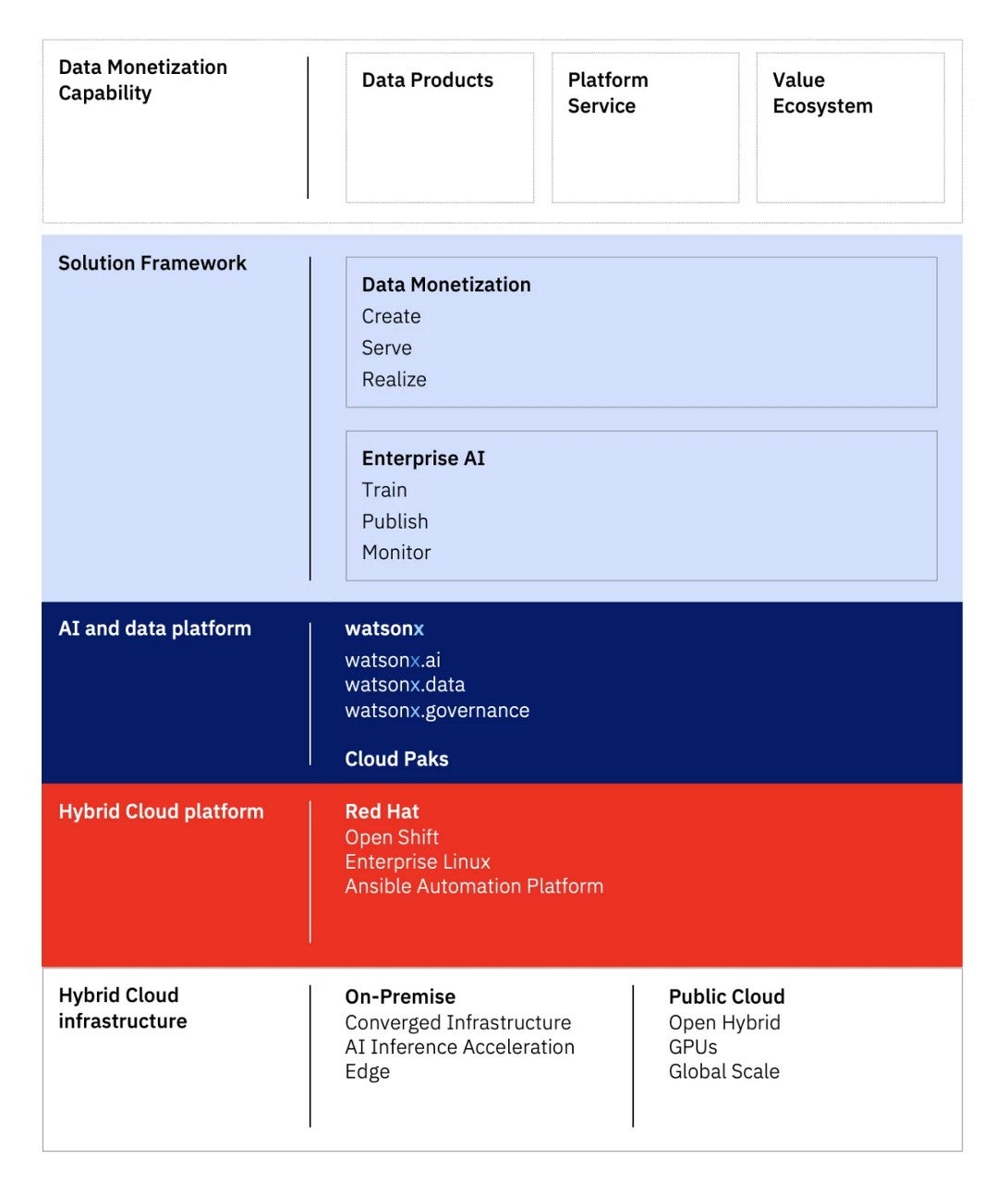
Implementing these analytics involves three core steps: collecting granular usage data, applying machine learning models to detect patterns, and automating price adjustments. The result is a self-optimizing platform that captures value from every interaction without manual intervention.
Common Middleware Monetization Mistakes
Turning data silos into revenue streams requires more than just connecting systems; it demands a rigorous operational framework. Even mature platforms fail when they prioritize integration speed over monetization readiness. The following pitfalls are the most frequent reasons middleware revenue models stall before they scale.
Poor Visibility and Tracking
You cannot monetize what you cannot measure. A primary failure point is relying on simple access controls rather than granular usage tracking. Without detailed logs of every API call, data transfer, and transaction routed through your middleware, you are effectively operating a toll road without a toll booth. Accurate metering is the foundation of fair billing and prevents revenue leakage. As noted in industry analyses, moving beyond basic access to implement precise usage metering is essential for sustainable growth [src-serp-1].
Lack of Transparency
Developers and partners abandon platforms they cannot understand. If your middleware hides fees, obscures rate limits, or makes it difficult to predict costs, you will face high churn and support burdens. Transparency builds trust. Clear, upfront documentation about pricing tiers, data usage metrics, and billing cycles allows customers to budget effectively. When the monetization logic is opaque, it feels like a trap rather than a partnership.
Ignoring Developer Experience
The technical team that integrates your middleware is your first and most important customer. If onboarding is difficult, error messages are unhelpful, or documentation is outdated, adoption will plummet. A poor developer experience (DX) creates friction that no amount of marketing can overcome. Invest in sandbox environments, comprehensive SDKs, and responsive support channels. A seamless integration experience reduces time-to-value and turns technical users into vocal advocates.
Overcomplicating the Pricing Model
Simple is better. Complex tiered structures with confusing thresholds often lead to billing disputes and customer confusion. Start with straightforward pricing based on clear metrics like API calls, data volume, or transaction count. Avoid layering on too many add-ons or hidden fees early on. As your platform matures, you can introduce more nuanced options, but the core model should always be easy to understand at a glance.
Final checklist for launch
Before exposing your middleware monetization strategy to production, verify these four critical components. Skipping any of these steps risks revenue leakage or compliance failures.
- API Documentation: Ensure your Swagger/OpenAPI specs clearly define rate limits, pricing tiers, and error codes for developers.
- Billing Integration: Confirm that usage tracking feeds accurately into your billing engine (e.g., Stripe, Chargebee) without latency.
- Monitoring & Alerts: Set up real-time dashboards for API latency, error rates, and failed transactions to catch issues immediately.
- Legal Review: Have your terms of service and data privacy policies reviewed to ensure they cover data usage for billing purposes.
A robust launch sequence turns data silos into reliable revenue streams rather than technical liabilities.
No comments yet. Be the first to share your thoughts!