
Middleware monetization 2026 limits to account for
The landscape for middleware monetization in 2026 is defined by a shift from passive integration fees to active value capture. Developers no longer pay simply for connectivity; they pay for specific outcomes delivered through specialized endpoints. This change forces middleware providers to map their integration value chain more precisely, identifying exactly where their software solves expensive problems.
To succeed, you must choose an API gateway revenue model that aligns with these new expectations. This means configuring billing and access controls that reflect the actual cost of computation and data transfer. The era of flat-rate licensing is fading, replaced by granular usage metrics that allow buyers to scale their spend with their usage.
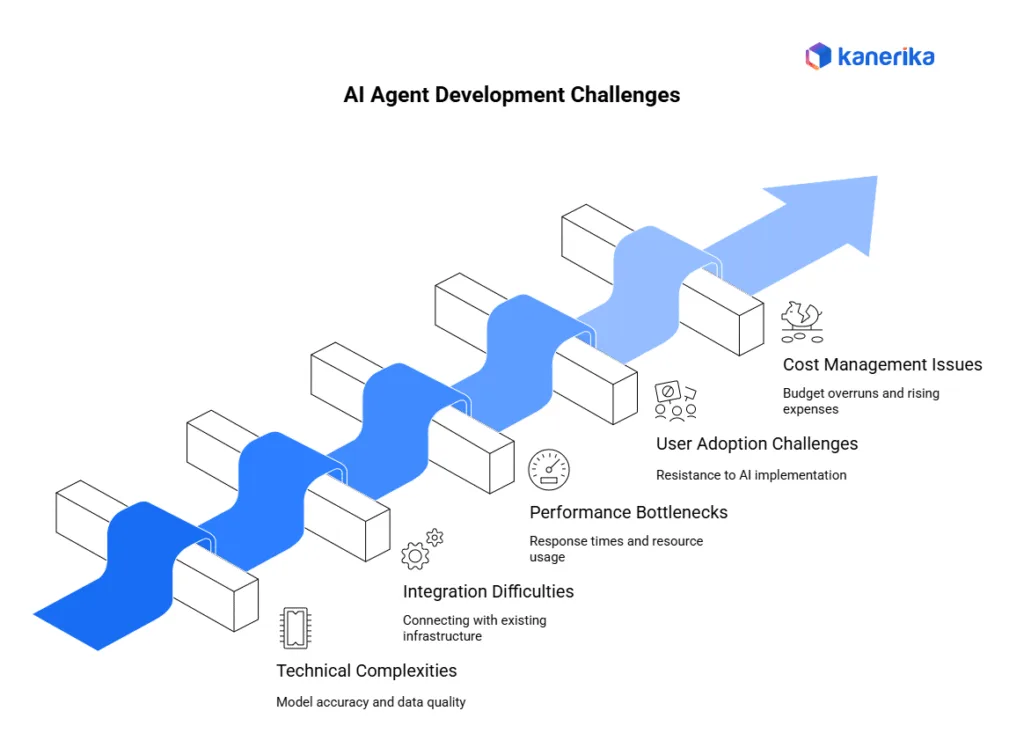
However, this transition introduces significant risk. Many providers fall into common pricing mistakes, such as underestimating the overhead of complex API management or failing to account for latency costs in real-time data flows. A misaligned pricing structure can erode margins quickly, especially when AI agents begin to consume middleware resources at machine speed. The key is to start with a clear map of your value chain before configuring any billing layers.
Middleware monetization 2026 choices that change the plan
Choosing a revenue model for your middleware in 2026 requires weighing upfront complexity against long-term scalability. The landscape has shifted from simple access fees to value-based pricing, where AI agents negotiate usage dynamically. You must evaluate how each model handles billing overhead, developer adoption friction, and integration depth.
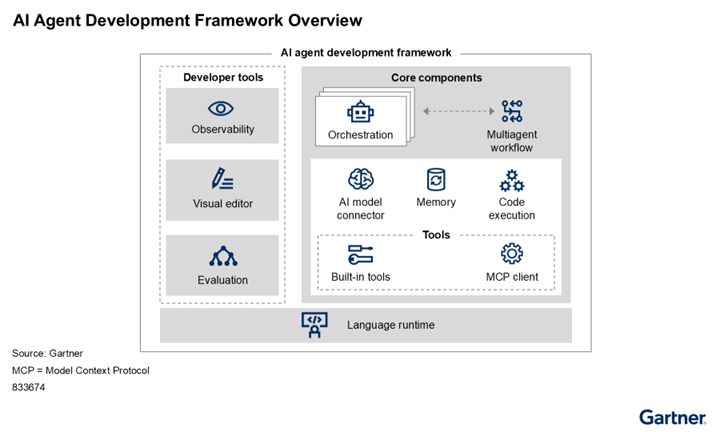
The following comparison breaks down the primary monetization structures. Use this to align your middleware’s technical architecture with your revenue goals.
| Model | Revenue Driver | Implementation Cost | Best For |
|---|---|---|---|
| Usage-Based | API calls or data volume | Medium | High-volume, predictable workloads |
| Tiered Subscription | Monthly access levels | Low | SaaS-style middleware with feature gates |
| Transaction Fee | % of processed volume | High | Payment or financial middleware |
| Freemium | Upsell to premium features | Medium | Developer adoption and network effects |
Usage-based pricing aligns costs with value but requires robust metering infrastructure. Tiered subscriptions simplify billing but may leave money on the table during peak usage. Transaction fees are powerful for financial middleware but introduce regulatory scrutiny. Freemium models accelerate adoption but require clear upgrade paths.
Note: This calculator provides a baseline estimate. Actual revenue depends on churn, support costs, and market competition.
Build a monetization decision framework
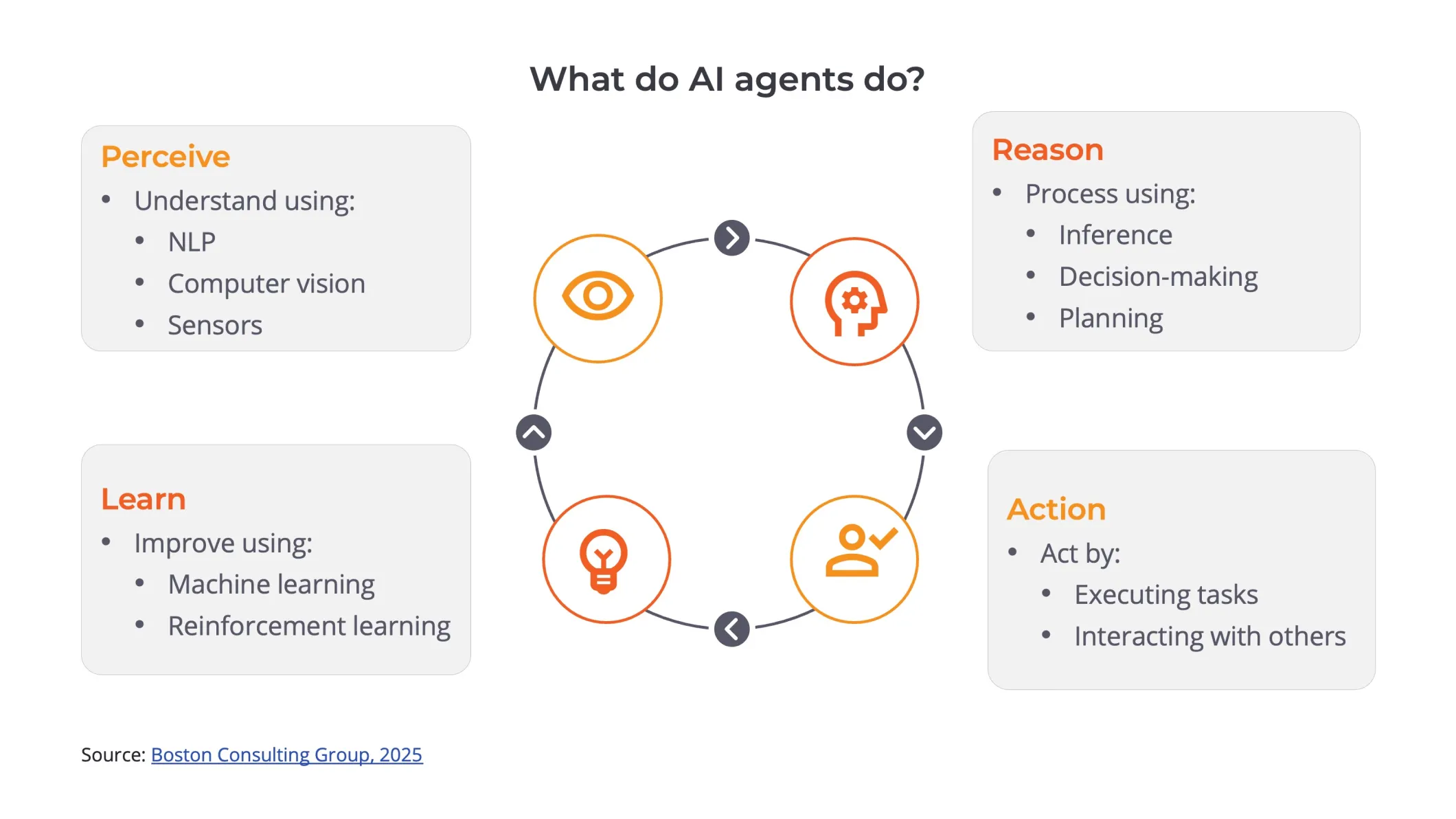
Turning AI agent capabilities into middleware revenue requires a structured approach. You are moving from passive integration to active value generation. Use this five-step framework to select the right model, configure billing, and avoid common pricing traps.

Spotting Weak Monetization Claims
AI agents are reshaping middleware monetization, but many strategies rely on misleading promises. The most common mistake is assuming that simply listing endpoints on an API marketplace guarantees revenue. Without specialized value or clear developer utility, these listings become invisible noise. Another weak option is ignoring the integration value chain. If you cannot map where your middleware fits in the broader ecosystem, pricing becomes arbitrary and access controls difficult to configure.
Common Pricing Mistakes
Avoid setting flat fees for variable usage. AI agents process data at unpredictable scales. A tiered model based on actual API calls or compute time protects both the provider and the buyer. Also, beware of "free forever" tiers that lack clear upgrade paths. These often attract low-quality traffic that drains resources without converting. Instead, offer a trial period with limited features, then guide users toward a paid plan that matches their growth.
The Reality of AI-Driven Middleware
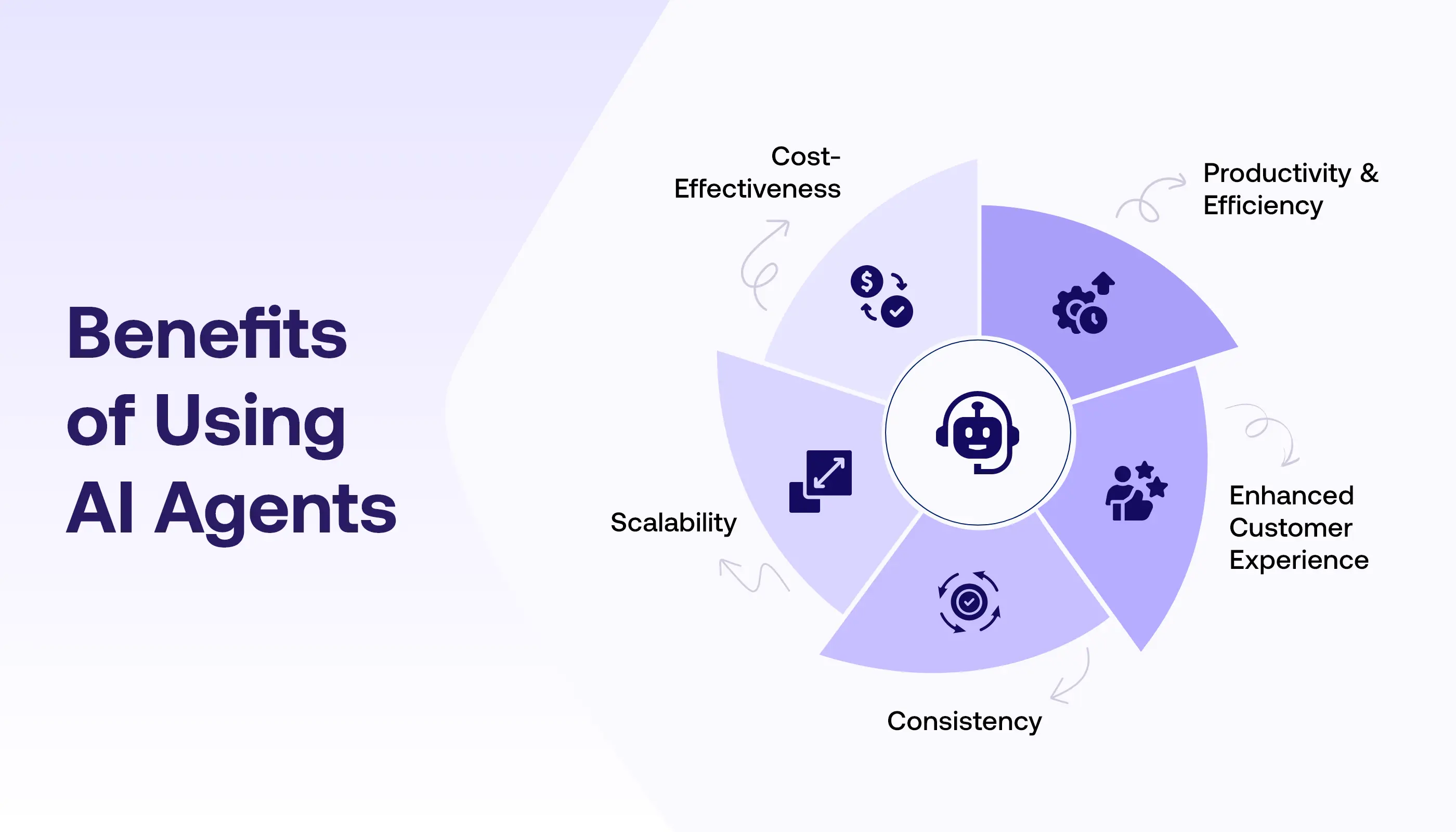
AI agents do not replace middleware; they augment it. The real value lies in intelligent routing, automated error handling, and dynamic scaling. If your middleware cannot demonstrate these capabilities, it will struggle to justify premium pricing. Focus on concrete outcomes: reduced latency, lower operational costs, and improved reliability. These are the metrics that matter to buyers in 2026.
Middleware monetization 2026: what to check next
Choosing a monetization strategy for AI-driven middleware requires balancing technical complexity with clear revenue signals. The following answers address the practical objections teams face when moving from integration to income generation.
No comments yet. Be the first to share your thoughts!