
Defining middleware monetization
Middleware monetization turns the invisible plumbing of software integration into a direct revenue center. Instead of selling a final application to an end user, companies charge for the connections, data routing, and processing power that happen between systems. This approach treats the integration layer not as a cost of doing business, but as a billable product in its own right.
This model is distinct from direct application sales. When you buy a CRM or an accounting tool, you are paying for the user interface and the features within that single environment. Middleware monetization focuses on the traffic that flows through the system. Whether it is payment routing, API gateways, or data synchronization, the value is measured in volume, reliability, and the complexity of the connections managed.
The core mechanism usually involves charging based on usage. Common structures include per-transaction fees, tiered subscriptions based on API calls, or revenue shares on the transactions processed. For example, a payment middleware provider might take a small percentage of every transaction routed through its unified interface, removing the need for merchants to build individual integrations with every bank or card network.
By positioning middleware as a revenue-generating asset, businesses can capture value from the broader ecosystem. This is particularly effective in platform economies where multiple parties rely on shared infrastructure. The middleware becomes the toll road, collecting fees from every vehicle that passes through, regardless of who owns the destination.
Comparing monetization models
Choosing the right middleware monetization model depends on how your users consume the service. The three primary approaches—per-call, subscription, and transaction-based—each serve different architectural patterns and business goals. A per-call model aligns costs directly with usage, making it ideal for variable workloads. Subscription models provide predictable revenue and are best for platforms offering broad access. Transaction-based pricing captures value from specific, high-value actions.
To help you decide, compare these models across cost structure, scalability, and implementation complexity.
| Model | Cost Structure | Scalability | Implementation |
|---|---|---|---|
| Per-Call | Pay-per-request | High | Medium |
| Subscription | Fixed monthly fee | Medium | Low |
| Transaction-Based | % of value | Low | High |
Per-call pricing works well for API middleware where volume fluctuates. It requires robust metering to track each request accurately. Subscription models simplify billing but may discourage heavy users. Transaction-based models are common in payment processing, where the middleware takes a cut of each successful payment. Each model has trade-offs in revenue stability and operational overhead.
Consider your user base and revenue goals when selecting a model. Hybrid approaches that combine subscription and per-call pricing are also gaining traction for complex middleware ecosystems.
The shift from static gateways to dynamic service layers
The rise of AI agents is transforming middleware from a passive conduit into an active, value-added service layer. Historically, middleware functioned as a static gateway, simply routing transaction data between merchants, banks, and payment processors. This model prioritized connectivity and security but offered little beyond the basic plumbing of digital commerce.
Today, conversational AI and autonomous agents require middleware that can interpret intent, manage complex state, and execute multi-step workflows. This shift demands a move from simple API routing to intelligent orchestration. Middleware must now handle the nuances of agent-to-agent communication, ensuring that transactions are not only processed but also contextualized within the broader interaction.
This evolution creates new monetization opportunities. Providers can charge for the intelligence embedded in the routing logic, such as fraud detection powered by real-time agent behavior analysis or dynamic pricing adjustments based on conversational context. The value proposition shifts from "connecting systems" to "enabling autonomous commerce."
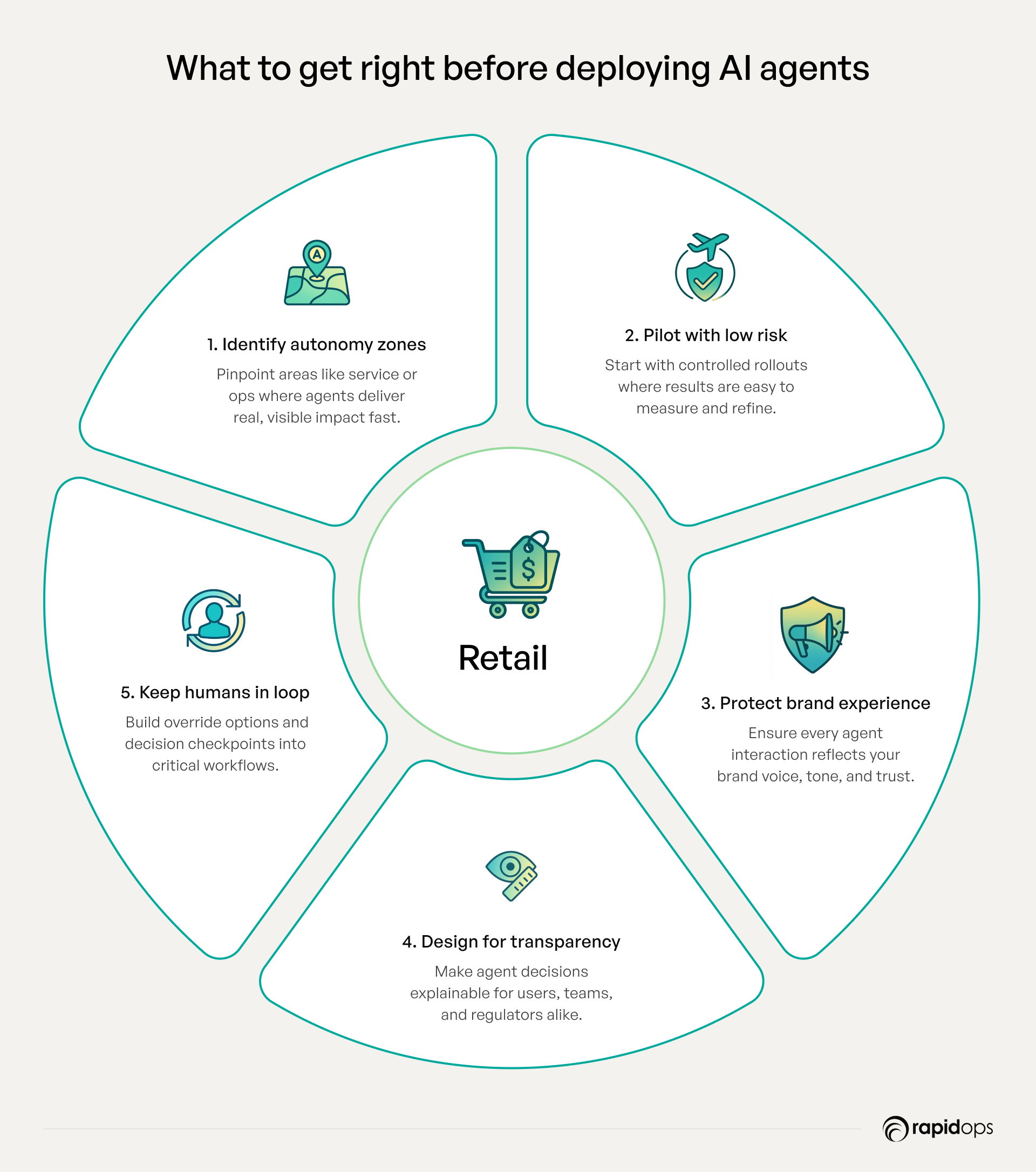
As AI agents become more prevalent, the middleware layer will act as the critical infrastructure for trust and verification. It will need to authenticate the payer, validate the agent's permissions, and ensure compliance without interrupting the fluidity of the conversation. This dynamic capability is what will define the next generation of middleware monetization strategies.
Implementation best practices
Turning a middleware monetization model into a working system requires three technical steps: entitlement checks, metering, and centralized pricing. When built correctly, these components allow you to charge for usage without slowing down the core application or forcing developers to manage billing logic.
Entitlement checks
The first step is to add entitlement checks as middleware. This acts as a gatekeeper that runs on every request, verifying that the user or application has the necessary permissions or subscription tier to access the service. By handling this at the middleware level, you ensure that unauthorized or unpaid traffic is blocked before it consumes backend resources.
Metering
Next, set up metering as asynchronous events or logs. Instead of blocking the request to calculate costs, record the usage data in the background. This approach keeps the API response times fast and ensures that usage tracking is resilient even if the billing service experiences a temporary outage. The data is then processed to generate accurate billing records.
Centralized pricing
Finally, centralize your pricing logic. Decoupling pricing rules from the business logic allows you to iterate on rates, discounts, or tier structures without redeploying the core middleware. This flexibility is essential for adapting to market changes or testing new monetization strategies quickly.
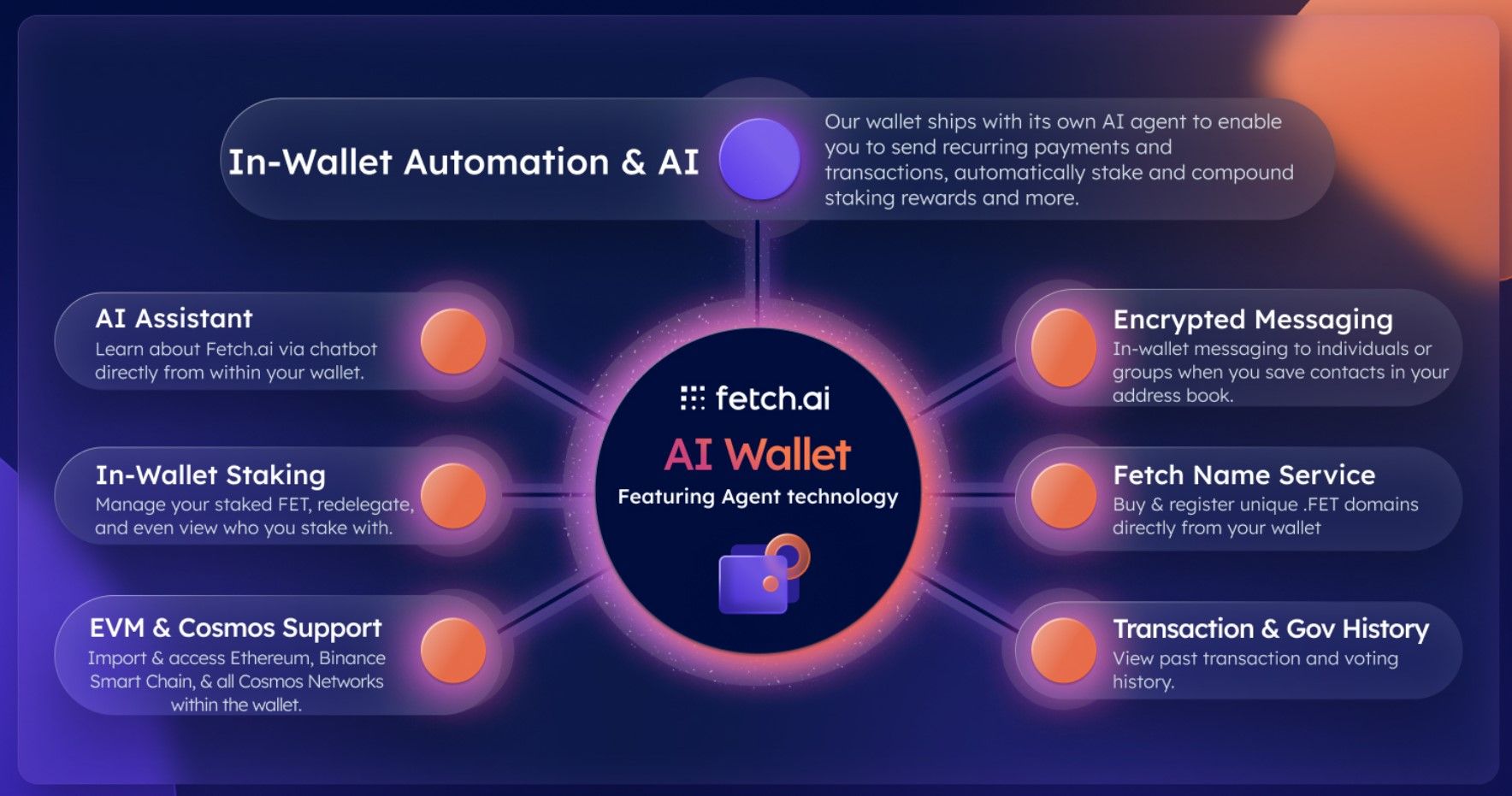
By following these steps, you create a middleware monetization strategy that is both technically robust and easy for developers to integrate. The system handles the complexity of billing and access control, letting your product focus on delivering value.
No comments yet. Be the first to share your thoughts!