
Get middleware monetization 2026 right
Before launching an API-as-a-service model, you need a clear monetization scheme. A monetization model is a strategy that outlines how your business generates revenue, identifies income sources, and sets pricing goals. Without this foundation, usage-based pricing becomes a guessing game rather than a growth engine.
Start by auditing your existing middleware capabilities. Identify which endpoints provide unique value and which are commoditized. List specialized endpoints or add-on services that developers would pay for. These are your primary revenue drivers. Avoid trying to monetize every interaction; focus on high-value transactions.
Next, define your pricing tiers. Usage-based pricing works best when it scales with the customer’s success. For example, charge per API call for low-volume users and offer flat-rate access for enterprise clients with high throughput. This flexibility allows you to capture value from both small startups and large enterprises.
Finally, establish your billing infrastructure. Ensure your system can track usage accurately and generate invoices automatically. Inaccurate billing leads to customer churn. Test your tracking with simulated traffic to verify that your metrics align with your pricing logic. A robust billing system is the backbone of sustainable middleware monetization.
Work through the steps to monetize middleware
Turning middleware into a revenue stream requires more than just exposing endpoints. You need a structured approach that aligns your API architecture with usage-based pricing models. This guide walks you through the practical steps to monetize middleware in 2026, moving from initial design to final billing integration.
Step 1: Define Your API Scope and Versioning
Before writing code, clearly define which middleware functions will be exposed as paid services. Not every internal utility needs a price tag. Focus on high-value, frequently requested endpoints that solve specific developer pain points.
Implement strict versioning (e.g., /v1/, /v2/) from day one. This allows you to iterate on pricing and features without breaking existing client integrations. Use semantic versioning to signal breaking changes, ensuring your monetization layer remains stable as you expand.
Start by auditing your existing middleware. Identify which functions are most frequently called and have the highest business value. Document these as your initial API surface area. Create a versioning strategy that isolates paid features from free or internal ones. This prevents scope creep and keeps your monetization logic clean.
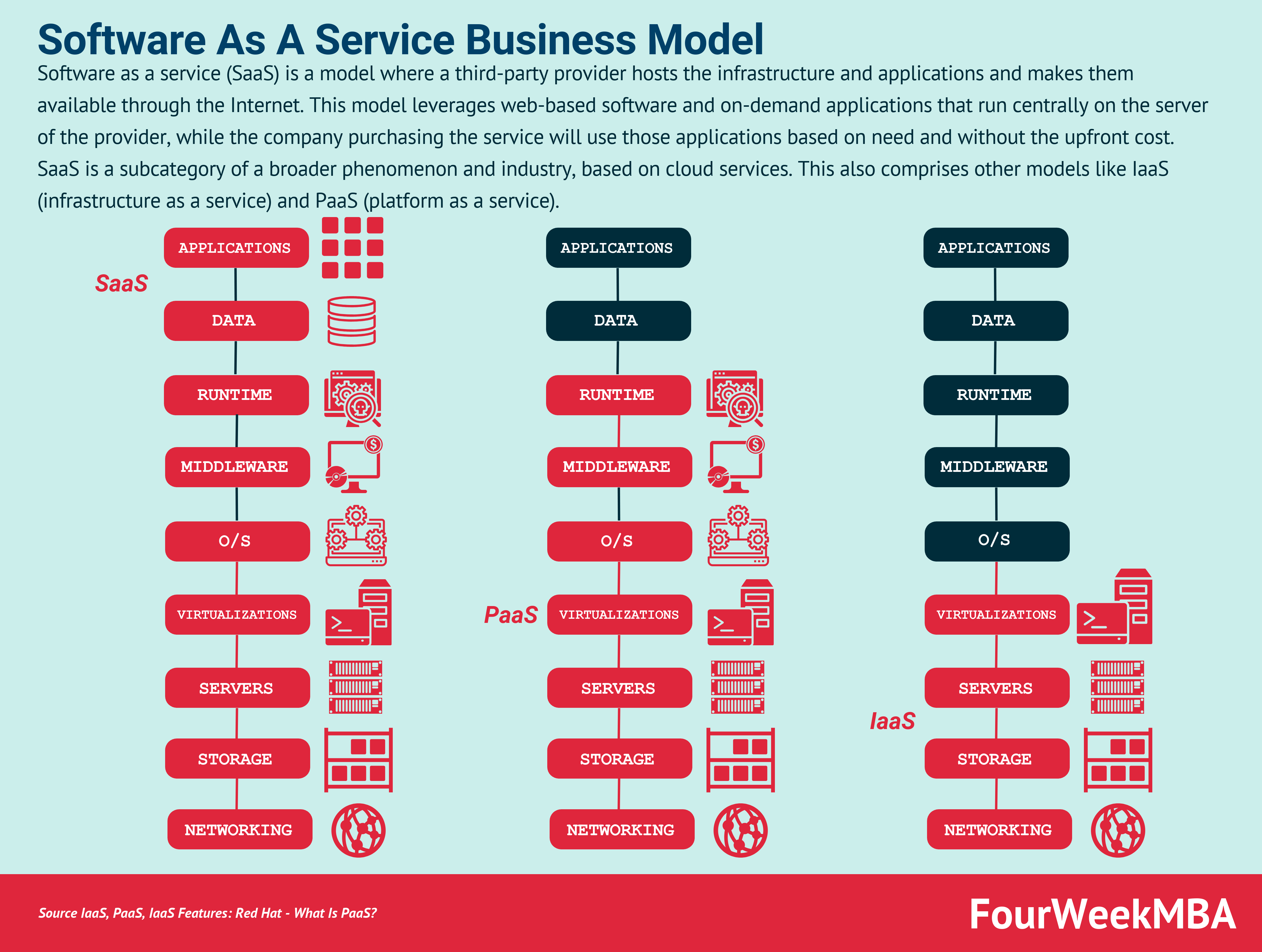
Choose between flat-rate, tiered, or pure usage-based pricing. For middleware, usage-based models (per-call, per-GB, or per-active-user) often align best with customer value. Design your pricing engine to be agnostic, allowing you to switch models or add new tiers without rewriting the core middleware logic. This flexibility is critical for adapting to market feedback.
Integrate a telemetry layer that logs every API call with metadata: timestamp, endpoint, user ID, and payload size. This data is the foundation of your billing. Ensure logs are structured (JSON) and sent to a reliable analytics platform. Without accurate tracking, you cannot bill correctly or provide customers with usage transparency.

Connect your telemetry data to a billing provider (e.g., Stripe Billing, Chargebee). Set up middleware hooks that check usage limits and apply rate limits before processing requests. Implement "pay-as-you-go" logic that charges customers in real-time or at the end of the billing cycle. Ensure your gateway can handle throttling gracefully to protect your infrastructure from abuse.
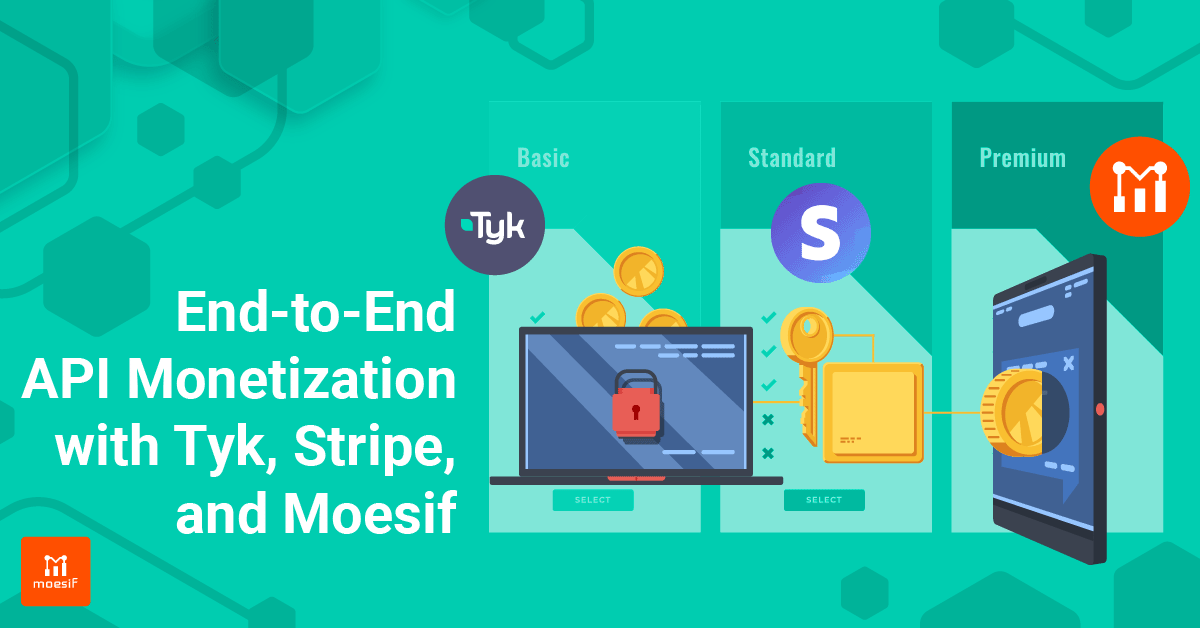
Create a public-facing developer portal that showcases your API capabilities, pricing tiers, and SDKs. Clear documentation reduces support costs and accelerates adoption. Include interactive API consoles so developers can test endpoints without writing code. A well-documented portal builds trust and makes the transition from free trial to paid plan seamless.
Step 2: Validate and Iterate
After launching, monitor key metrics: API call volume, error rates, and customer acquisition cost. Use this data to refine your pricing tiers. If you see high churn at a specific usage threshold, consider adjusting the limits or adding a mid-tier plan. Continuous iteration ensures your middleware remains competitive and profitable.
Fix common mistakes
When building an API-as-a-service business, the difference between a thriving platform and a forgotten endpoint often comes down to the details in your implementation. Many middleware providers focus heavily on the technical architecture while neglecting the operational realities of usage-based pricing. These oversights create friction for developers and erode margins for the provider.
Below are the most frequent errors that derail monetization efforts, along with the specific fixes to correct them before they impact your bottom line.
1. Ignoring the "Free Tier" Trap
Many teams launch a completely open API or offer a free tier with no rate limits, hoping to drive adoption through virality. This approach often backfires by attracting high-volume scrapers or malicious actors who consume your infrastructure without contributing to revenue. It also makes it difficult to distinguish between genuine developer interest and automated abuse.
The Fix: Implement a strict "Freemium" model with hard rate limits. Allow developers to test endpoints for free but cap requests per day or per minute. Require a credit card for any tier that exceeds basic testing volumes. This ensures that only serious users reach the paid stages, protecting your infrastructure costs.
2. Opaque Usage Metrics
Usage-based pricing relies entirely on trust. If your billing dashboard shows ambiguous metrics like "API calls" without defining what constitutes a call, customers will dispute invoices. For example, does a simple GET request count the same as a complex POST with a large payload? Ambiguity leads to churn and support ticket overload.
The Fix: Define your billing unit clearly in your documentation. Use standardized metrics such as "per 1,000 successful responses" or "per megabyte of data processed." Provide a real-time usage dashboard in your developer portal so customers can track their consumption against their budget in near real-time, reducing surprise bills.
3. Neglecting Error Rate Billing
A common mistake is charging for failed requests. If your API returns a 4xx or 5xx error, the customer received no value. Charging for these errors feels punitive and damages developer experience. It also encourages customers to implement inefficient retry loops, further straining your middleware.
The Fix: Only bill for successful responses (2xx status codes). For server-side errors (5xx), offer automatic retries at no additional cost. For client-side errors (4xx), provide clear, actionable error messages in the response body. This approach aligns your incentives with the customer's success and reduces support friction.
4. No Grace Periods or Overages
Rigid cutoffs at the end of a billing cycle can cause sudden service interruptions for legitimate users who experience a temporary spike in traffic. This "thundering herd" effect can damage your reputation as a reliable infrastructure provider. Sudden outages lead to immediate churn and negative reviews.
The Fix: Implement a 10-20% overage buffer or a grace period. If a user exceeds their limit, continue serving requests for a short window or bill them at a slightly higher "overage" rate for the excess usage, rather than cutting off access entirely. Communicate these policies clearly in your terms of service.
Middleware monetization 2026: what to check next
Readers often hesitate to shift from legacy licensing to usage-based models because the accounting feels opaque. Below are the most common objections, answered with practical context for 2026 middleware operators.
No comments yet. Be the first to share your thoughts!