
Why traditional SaaS pricing fails agents
Traditional SaaS pricing relies on fixed subscriptions for access. This model assumes a static product where value correlates with seat count or storage. AI middleware operates differently. Agents execute workflows, process data, and trigger external actions. The cost of running these agents is driven by compute, token usage, and API calls, which scale unpredictably with demand.
When you price agent infrastructure by the seat, you disconnect revenue from actual resource consumption. A single agent might run silently for hours or execute thousands of transactions in minutes. Fixed fees cannot capture this variance. They either leave money on the table during high usage or stifle adoption when costs spike.
The solution is shifting to usage-based or outcome-based pricing. This aligns your revenue with the work the agent actually performs. As noted by industry analyses on agentic monetization, pricing based on execution ensures that customers pay for the value delivered, while providers cover the variable costs of inference and infrastructure. This model supports the elastic nature of AI workloads, ensuring sustainability for both the platform and the user.
Four viable revenue models for middleware
Building an AI middleware layer requires more than just technical stability; it demands a pricing structure that captures value without alienating developers. The infrastructure you provide—routing, security, and orchestration—sits between the client and the model, making it a natural point for monetization. However, the complexity of agentic workflows means that a single pricing model rarely fits all use cases.
The four primary strategies for AI middleware monetization are per-call billing, subscription tiers, outcome-based pricing, and licensing. Each model serves a different segment of the market, from high-volume startups to enterprise clients requiring predictable costs. Choosing the right model depends on your target audience's willingness to pay for flexibility versus predictability.
Per-call billing
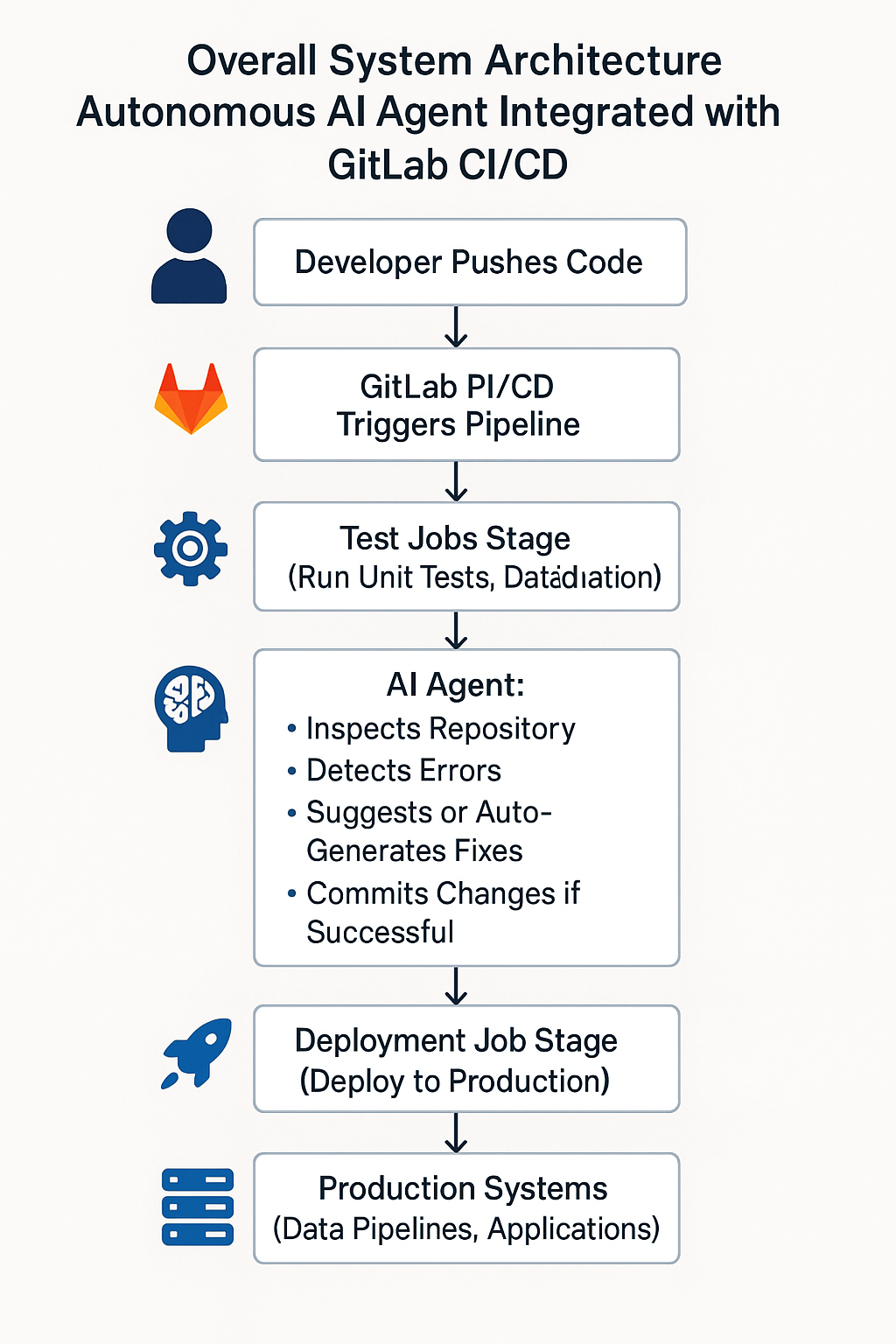
Per-call billing charges users for each API request or agent interaction processed through your middleware. This model aligns costs directly with usage, making it attractive for startups and developers who want to minimize upfront expenses. It is particularly effective for high-volume, low-complexity tasks where the marginal cost of processing is negligible.
However, per-call pricing can become expensive for power users, leading to churn or unexpected bill shocks. To mitigate this, many middleware providers implement rate limiting or tiered volume discounts. This approach works best when the middleware adds significant value per request, such as complex routing or real-time security filtering.
Subscription tiers
Subscription tiers offer predictable monthly or annual fees in exchange for a set amount of usage or access to premium features. This model provides revenue stability and simplifies budgeting for enterprise clients. Tiers often include features like higher rate limits, dedicated support, or advanced analytics, encouraging users to upgrade as their needs grow.
While predictable, subscription models can struggle with scalability if usage spikes beyond the tier limits. They also risk undercharging heavy users or overcharging light ones. A hybrid approach, combining a base subscription with overage fees for per-call usage, often balances predictability with flexibility.
Outcome-based pricing
Outcome-based pricing charges users based on the value delivered by the AI agent, such as completed transactions, qualified leads, or resolved tickets. This model shifts the risk from the buyer to the provider, as payment is tied directly to success. It is highly attractive for clients who want to ensure ROI before paying.
Implementing outcome-based pricing requires robust tracking and attribution systems to verify that the agent actually achieved the desired result. It is most effective for specialized agents with clear, measurable goals, such as sales assistants or customer support bots. This model aligns incentives perfectly but demands high reliability and transparency from the middleware provider.
Licensing
Licensing involves selling the middleware software to enterprises for a one-time fee or annual license, often with additional support contracts. This model is common in industries with strict data privacy requirements, where clients prefer to run middleware on their own infrastructure rather than relying on a third-party service.
Licensing provides immediate cash flow and reduces ongoing operational costs for the provider. However, it requires significant upfront sales effort and technical support for onboarding. It is ideal for large organizations that need full control over their AI infrastructure and are willing to pay a premium for autonomy and compliance.
Comparison of Revenue Models
The table below compares the four primary monetization strategies for AI middleware, highlighting their complexity, scalability, and ideal use cases.
| Model | Complexity | Scalability | Ideal Use Case |
|---|---|---|---|
| Per-call billing | Low | High | Startups, high-volume API users |
| Subscription tiers | Medium | Medium | SaaS platforms, predictable budgets |
| Outcome-based | High | Low | Specialized agents with clear ROI |
| Licensing | High | Low | Enterprise, on-premise deployments |
Calculating unit economics for agent workflows
Pricing an AI agent requires moving beyond simple token counts to a model that reflects the true cost of compute, latency, and the specific value delivered. The goal is to determine the break-even price per agent call while ensuring a sustainable margin.
Start by mapping your direct infrastructure costs. This includes the base cost of the LLM inference, the memory required for context windows, and the network latency overhead. For complex workflows, you must also account for the cost of any external API calls or tool use triggered during the process. These are your hard costs.
Next, factor in operational overhead. This covers the engineering time spent maintaining the agent, the cost of monitoring and logging, and the infrastructure required to handle concurrent requests. A common industry standard is to add a 20-30% buffer for these indirect costs to avoid margin erosion during peak usage.
Finally, apply your target margin. The formula for your base price is straightforward:
Price = (Direct Compute Cost + Overhead) / (1 - Target Margin %)
Use the calculator below to model your specific scenario. Adjust the inputs to see how changes in latency or margin targets impact your final unit economics.
Implementing payment-gated execution APIs
Turning agent infrastructure into a revenue stream requires embedding payment logic directly into the execution flow. Rather than building separate billing systems, middleware protocols like ATP (Agent Transaction Protocol) allow you to gate API calls behind payment verification. This approach treats payment processing as a middleware layer, ensuring that agents only execute tasks after financial settlement.
Follow these steps to integrate payment-gated execution into your agentic workflows.
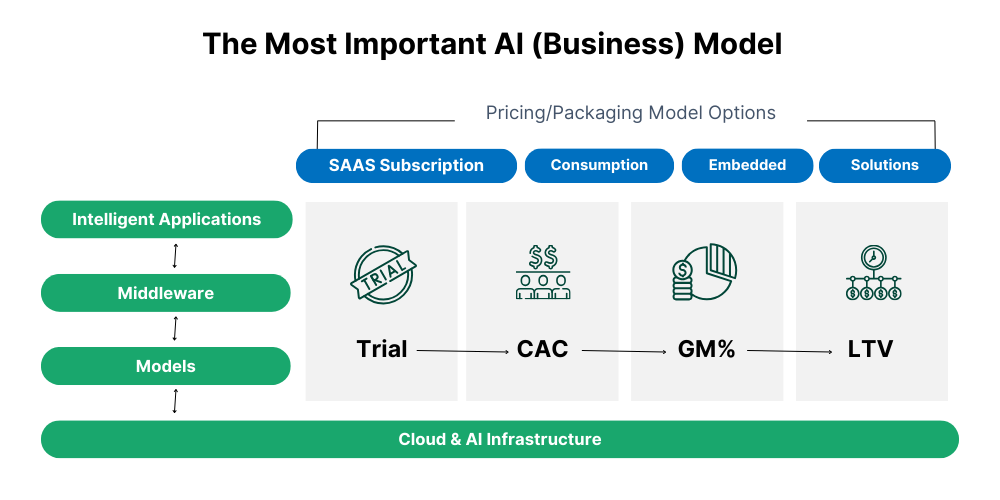
Identify the specific agent function or API endpoint that requires monetization. This could be a high-compute task, a specialized data retrieval operation, or a proprietary model inference. Clearly define the input parameters and expected output so the middleware can accurately price the execution.
Wrap your agent’s API with a middleware layer that intercepts incoming requests. Use protocols like ATP to handle transaction verification. This layer checks for valid payment credentials or tokens before passing the request to the core agent logic, eliminating the need for complex external billing integrations.
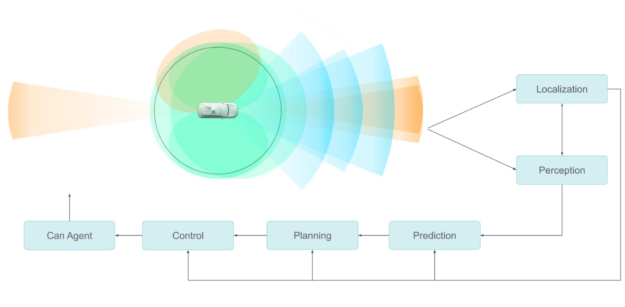
Configure the middleware to adjust costs based on resource usage, complexity, or market demand. Dynamic pricing allows you to maximize revenue during peak loads while keeping costs predictable for standard queries. Ensure the pricing algorithm is transparent and integrated into the middleware’s response headers.
Once payment is confirmed, the middleware releases the request to the agent. The agent processes the task and returns the result. If payment fails or is insufficient, the middleware returns an error code without executing the agent, preventing resource waste and ensuring strict payment gating.
By embedding payment logic into the middleware layer, you create a seamless monetization path that scales with your agent’s utility. This technical integration ensures that every execution is backed by a verified transaction, turning infrastructure into a direct revenue source.
Legal and compliance considerations
Monetizing AI middleware introduces complex legal risks, particularly around data attribution and copyright. When your infrastructure processes proprietary data to train or query models, you must ensure clear licensing agreements define ownership and usage rights. Without explicit consent, using copyrighted material to generate commercial outputs can lead to significant liability.
Regulatory compliance is equally critical. As governments introduce frameworks for AI transparency, your middleware must handle data privacy and audit trails to meet standards like the EU AI Act. Failure to comply can result in fines and loss of trust. Partnering with legal experts to structure these agreements ensures your revenue models remain sustainable and defensible in a rapidly evolving legal landscape.
Launch Checklist for AI Middleware Monetization
Before shipping, ensure your AI middleware monetization strategy is technically sound and legally compliant. This checklist covers the essential infrastructure needed to capture revenue from agent workflows.
-
Usage Tracking: Implement precise metering for agent calls, token consumption, and compute time. Without granular data, dynamic pricing is impossible.
-
Billing Integration: Connect your middleware to a billing provider (e.g., Stripe, Flexprice) that supports usage-based or tiered models.
-
Rate Limiting: Configure thresholds to prevent abuse and manage server load, ensuring stable performance for paying clients.
-
Compliance Audit: Verify that your data handling meets GDPR, CCPA, and industry-specific regulations, especially for B2B clients.
-
API Documentation: Provide clear SDKs and endpoint references so developers can integrate your monetization layer easily.
A robust launch relies on these foundational elements. Skipping any step risks revenue leakage or compliance issues that can stall adoption.
Frequently asked questions about agent pricing
Monetizing AI middleware requires aligning revenue models with how agents actually perform work. The following questions address common concerns about legality, platform policies, and pricing structures for agent infrastructure.
No comments yet. Be the first to share your thoughts!