
Why middleware monetization matters now
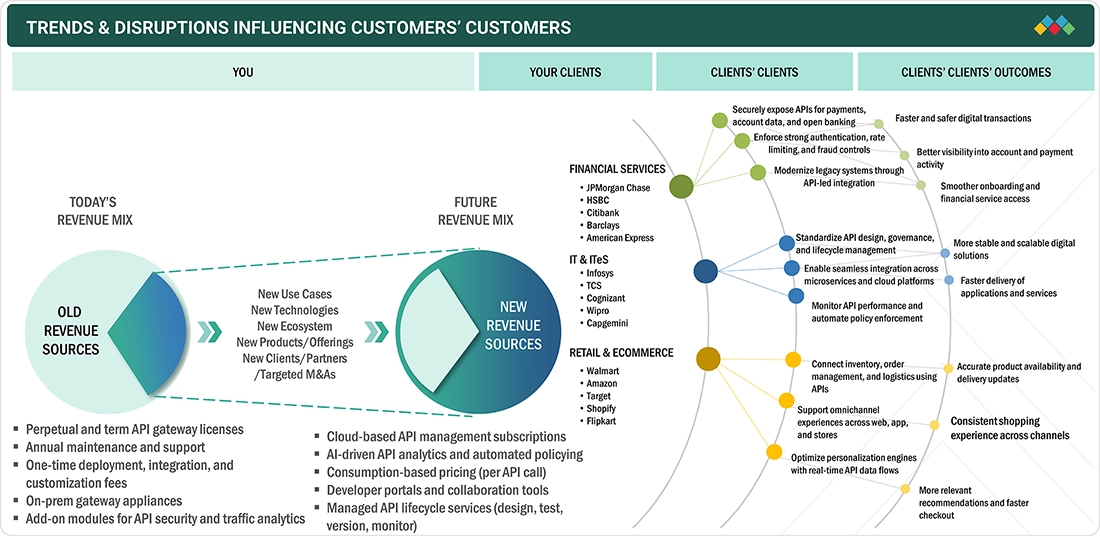
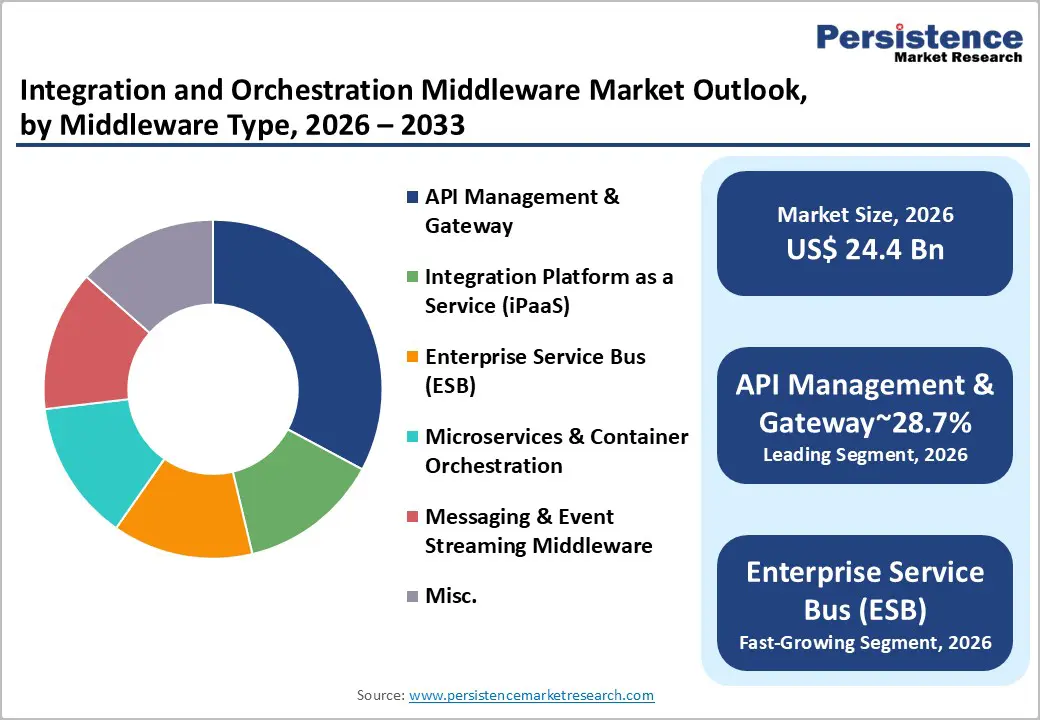
Middleware has long been treated as a necessary cost center—the invisible plumbing that connects your operating system, applications, and data. Red Hat defines middleware as the software layer that provides common services and capabilities, but in practice, it often functions as a silent revenue leak. For 2026, the goal is to shift this narrative: converting middleware from a passive expense into an active profit center is not just an IT upgrade; it is a financial imperative.
When integration layers are unmonetized, they create hidden revenue leakage. Poorly managed middleware leads to bad decisions and operational inefficiencies that erode margins. Instead of viewing these connections as overhead, businesses must recognize them as strategic assets that can generate direct revenue through API access, data services, or enhanced customer experiences.
To quantify this shift, you can estimate the potential revenue impact of monetizing your current integration stack. Adjust the inputs below to reflect your current middleware spend and projected conversion rates.
5 Middleware Monetization Strategies for 2026 Revenue Growth
Legacy systems require modern revenue models to survive the 2026 market landscape. This section outlines five middleware monetization strategies backed by Red Hat and Speakeasy data. Use the embedded calculator to project your specific growth potential.
-
Usage-based metering for API gateway traffic
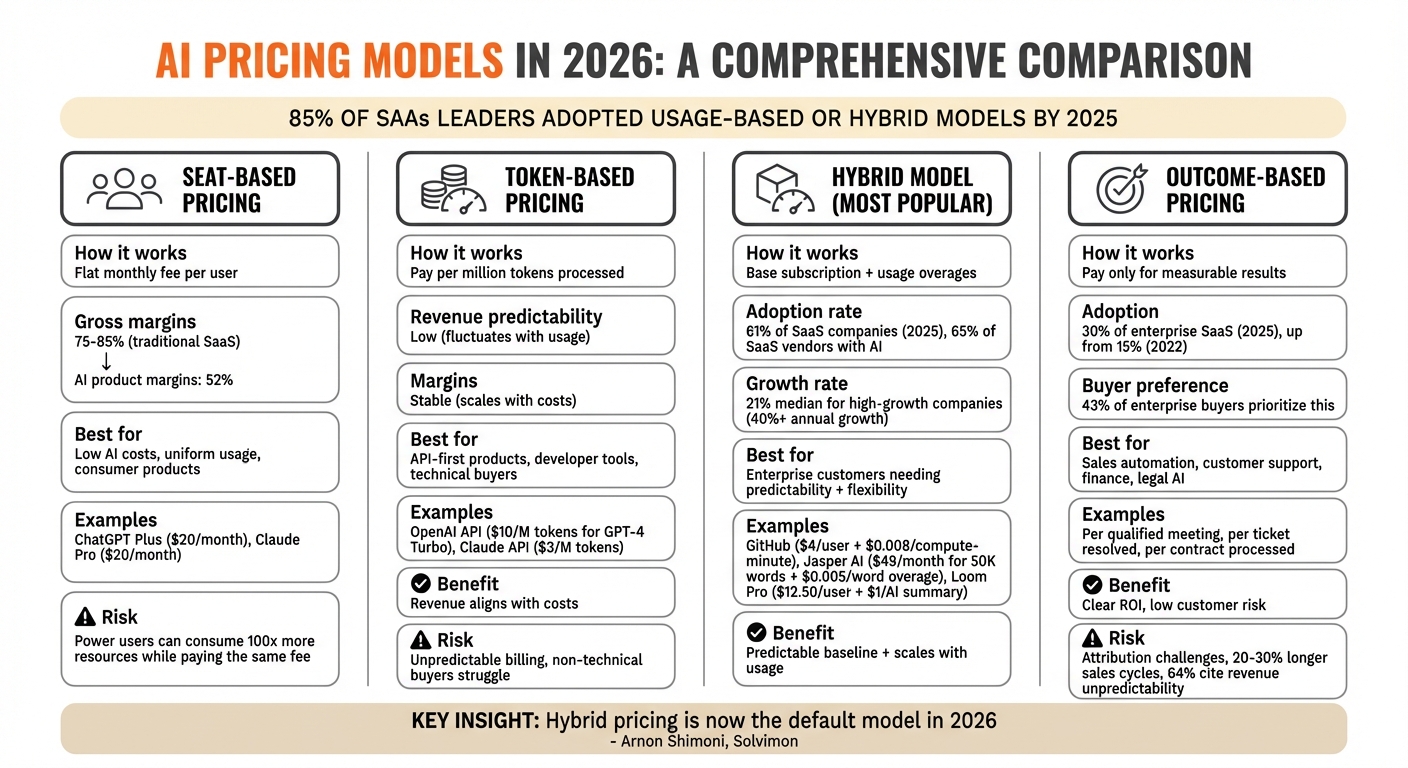
Shift from flat licensing to granular consumption billing. Track API calls, data volume, and latency metrics via your gateway. This aligns costs with actual value delivered, preventing churn from unused capacity. Implement real-time dashboards for transparency. As API economies grow, per-request pricing captures revenue from high-volume users who previously avoided enterprise contracts due to rigid minimums. -
Tiered subscription models for enterprise support
Structure support levels around response time and SLA guarantees. Basic tiers offer community access, while premium layers include dedicated account managers and 24/7 engineering assistance. This model stabilizes recurring revenue by locking enterprises into predictable annual commitments. Differentiate tiers by feature access, such as advanced analytics or custom integrations, ensuring each level justifies its price point for distinct customer segments. -
Managed service fees for legacy migration
Charge fixed project fees plus ongoing retainer for migrating legacy systems to modern middleware. Clients pay for risk mitigation, data integrity assurance, and minimal downtime during transition. This creates immediate cash flow while establishing long-term maintenance contracts. Position your team as the bridge between outdated infrastructure and future scalability, justifying premium rates for specialized expertise and guaranteed operational continuity. -

Premium add-ons for advanced security features
Bundle enhanced security protocols, such as zero-trust architecture or advanced threat detection, as optional paid modules. Base middleware remains accessible, but organizations requiring compliance with strict regulations like HIPAA or GDPR must purchase these add-ons. This approach increases average revenue per user without alienating price-sensitive customers. Clearly document the risk reduction benefits to justify the incremental cost for security-conscious enterprises. -

Revenue sharing with ecosystem partners
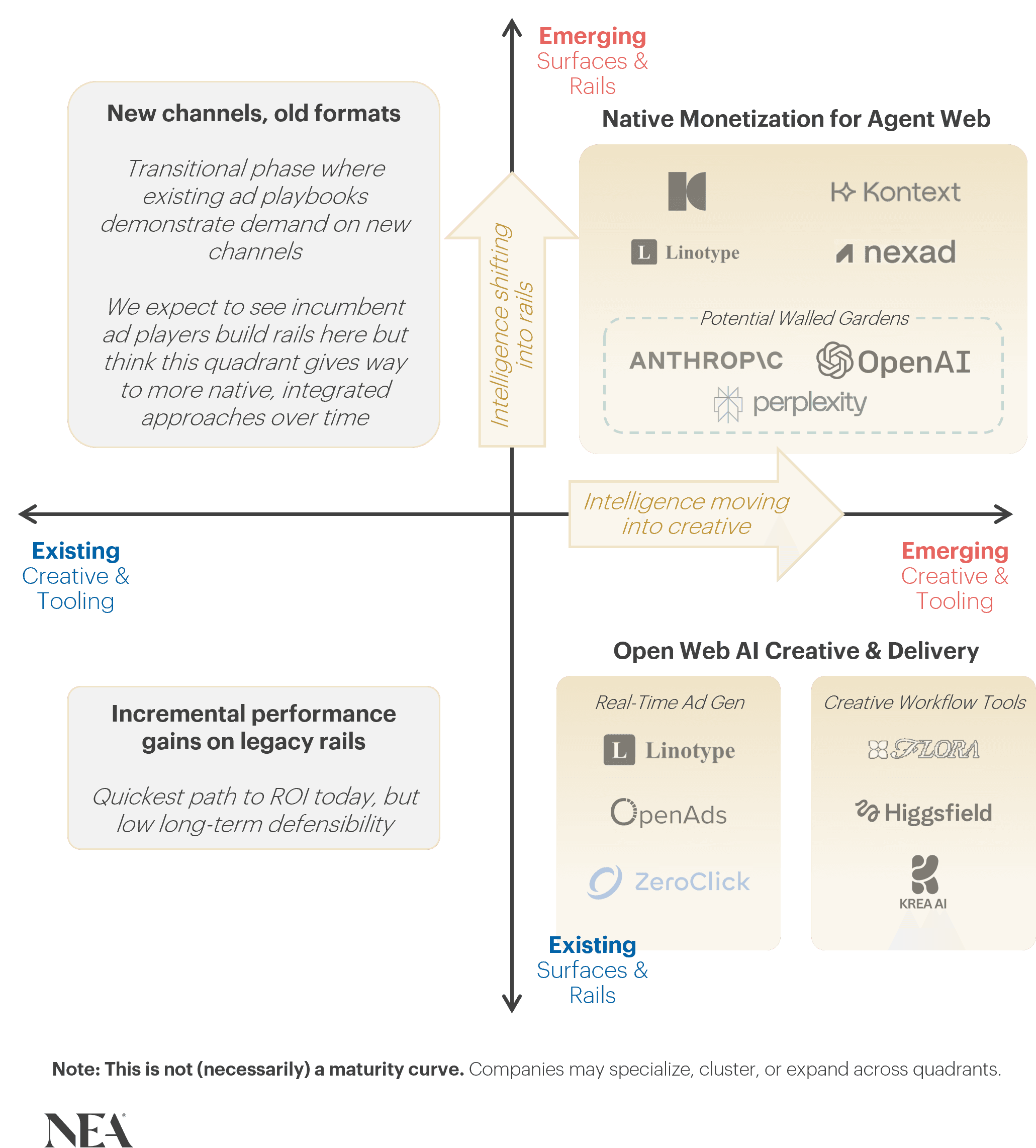
Establish partnerships where third-party developers integrate your middleware, sharing a percentage of their subscription revenue. This expands your market reach without direct sales overhead. Provide robust documentation and SDKs to encourage adoption. As partners succeed, your platform gains traction through network effects. Structure agreements to reward high-volume integrations, creating a symbiotic relationship where both parties benefit from increased user acquisition and retention.
Usage-based pricing for API gateways
Usage-based pricing shifts the burden of cost estimation from the developer to the consumer. Instead of guessing a fixed tier, clients pay only for what they consume. This model works best for middleware monetization when API usage fluctuates or when value scales directly with call volume.
The implementation requires two distinct layers: entitlement checks and metering. Entitlements verify that a client has permission to access specific endpoints or features. Metering records the actual traffic. Speakeasy recommends adding these checks as middleware early in the request lifecycle to prevent unauthorized usage before it impacts your infrastructure.

Place entitlement logic at the edge of your gateway. Before the request hits your backend, validate the API key against your pricing tier. If a client exceeds their quota or lacks access to a premium endpoint, reject the request immediately. This protects your resources and ensures billing accuracy.
Record every API call in a dedicated logging stream. Do not block the request response to write billing data. Use asynchronous events or logs to capture method, endpoint, and response size. This decouples billing from performance, ensuring your API remains fast even under heavy load.
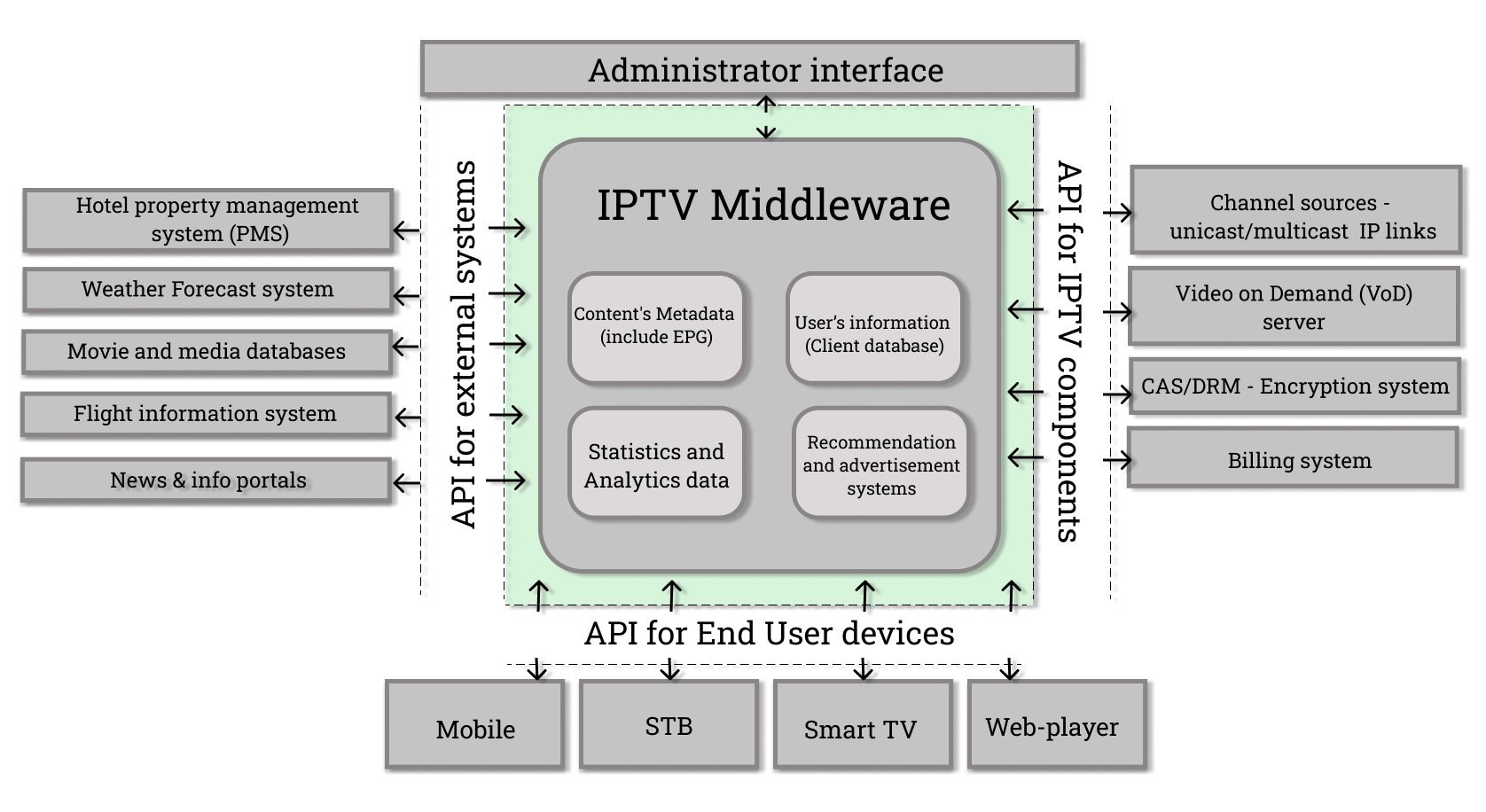
Store your price-per-call rates in a configuration file or database, not in your codebase. This allows you to adjust rates for different tiers or regions without redeploying your gateway. When combined with metering logs, this centralization makes revenue calculation transparent and auditable.
Project your revenue growth
To understand the financial impact, use this calculator to estimate monthly recurring revenue based on your expected API call volume and tiered pricing structure. Adjust the inputs to see how different pricing models affect your bottom line.
This approach aligns your revenue with the actual value delivered to the customer. As your users scale their usage, your revenue scales proportionally, creating a sustainable growth loop for your middleware business.
Segment users with tiered access models
Enterprise clients rarely buy a single, flat-rate license. They require distinct service levels that align with their operational scale. By segmenting middleware access into Basic, Pro, and Enterprise tiers, you can capture higher average revenue per user (ARPU) from organizations that need guaranteed uptime, deeper data insights, and priority support.
The structure is straightforward. Basic tiers handle standard API requests with shared infrastructure. Pro tiers introduce dedicated throughput and enhanced logging. Enterprise tiers provide custom SLAs, white-glove onboarding, and direct engineering access. This segmentation allows you to price based on value delivered rather than just volume consumed.
Implementation requires careful entitlement checks. Speakeasy recommends adding entitlement logic directly into the middleware layer to gate features before they reach the business logic. This ensures that a client on a Basic plan cannot accidentally access Pro-level data endpoints, protecting both your revenue model and security posture.
Tier comparison
The table below outlines the standard feature breakdown for these middleware tiers. Use this structure to define your own offering.
| Feature | Basic | Pro | Enterprise |
|---|---|---|---|
| API Rate Limit | 1,000 req/min | 10,000 req/min | Unlimited |
| Support SLA | Email (48h) | Chat (4h) | Dedicated Engineer (1h) |
| Data Retention | 30 days | 90 days | 1 year+ |
| Custom Integrations | None | Standard | Fully Custom |
| Uptime Guarantee | 99.5% | 99.9% | 99.99% |
Project your revenue
Use the calculator below to estimate potential monthly recurring revenue (MRR) based on your target customer distribution across these tiers. Adjust the customer counts and pricing to match your market research.
Transaction fees for payment middleware
Payment middleware operates as the unseen layer that allows software to accept payments, sync with ERPs, and communicate with multiple payment gateways or point of sale platforms. By positioning your solution between the merchant and the financial rails, you capture value from the volume of data flowing through your system. This model aligns your revenue directly with the merchant's success, creating a natural incentive to maintain high uptime and fast processing speeds.
The standard approach is to charge a small percentage of each processed transaction. For example, you might take 0.5% of every payment routed through your API. This fee structure scales with business growth, ensuring that your costs remain predictable while your revenue grows as the merchant processes more volume. It is particularly effective for high-frequency, low-margin transactions where a flat fee would be too burdensome.
This model requires robust infrastructure to handle the load without latency. As noted by Duck Creek, middleware must enable seamless communication between disparate applications, ensuring that payment data is accurately routed and reconciled. Any downtime or error in this layer directly impacts the merchant's bottom line, making reliability a non-negotiable feature of your monetization strategy.

License aggregated targeting data
Middleware that sits between advertisers and publishers generates a rich stream of interaction signals. Instead of letting this data sit idle, you can monetize it by licensing aggregated, anonymized targeting insights to third-party platforms or data marketplaces. This approach turns operational overhead into a direct revenue stream.
The process involves extracting behavioral patterns—such as session duration, click-through rates, and content affinity—and stripping away personally identifiable information (PII). Once anonymized, these datasets become valuable assets for audience segmentation and campaign planning. Advertisers often pay premiums for fresh, context-specific data that general interest graphs cannot provide.
To estimate the potential earnings from this strategy, use the calculator below. It projects revenue based on the volume of licensed data sets and your average price point per dataset. Adjust the inputs to reflect your current middleware traffic and licensing agreements.
This model scales with your middleware’s reach. As you integrate more publishers and advertisers, the volume of unique signals increases, allowing you to offer more granular datasets. Ensure your data processing pipeline complies with privacy regulations like GDPR and CCPA to maintain trust and avoid legal penalties.
Common questions about middleware pricing
Middleware monetization often confuses teams unfamiliar with the technical layers behind payment processing. Understanding the basics helps you choose the right pricing model for your stack.
What is payment middleware?
Middleware is the unseen layer that allows software to accept payments, sync with ERPs, and communicate with multiple payment gateways or point of sale platforms. It supports seamless integration between payment methods like ACH, cards, and digital wallets, acting as the bridge between your application and financial networks Paystand.
How does middleware generate revenue?
Companies typically monetize middleware through transaction fees, subscription tiers, or per-transaction volume. Some providers charge a flat monthly fee for access to the integration layer, while others take a small percentage of each processed payment. The model depends on whether the middleware is internal infrastructure or a third-party service.
Is middleware pricing standardized?
Pricing varies significantly by provider and complexity. Enterprise-grade middleware often requires custom quotes based on volume and feature requirements. Smaller integrations may offer transparent, tiered pricing plans. Always compare the total cost of ownership, including maintenance and support, against the revenue generated.
No comments yet. Be the first to share your thoughts!