
Add entitlement checks to your gateway
Before you can monetize middleware effectively, you must define who is allowed to use the service and what they are permitted to do. Entitlement checks act as the first line of defense, ensuring that only authorized clients can access specific API endpoints or service meshes. Without this gate, you risk exposing sensitive data or allowing unauthorized usage that bypasses your billing logic.
Implementing these checks as middleware ensures they run before any business logic executes. This approach keeps your core services clean and focused on their primary tasks while delegating security and access control to the gateway layer. By validating permissions early, you prevent unnecessary processing for invalid requests, saving computational resources and reducing latency for legitimate users.
1. Define Access Policies
Start by mapping out which users or services need access to which resources. Create clear policies that specify roles, such as admin, developer, or viewer. These policies should be stored in a centralized location that your gateway can query quickly. For example, you might define that only users with a premium subscription can access high-frequency endpoints.
2. Implement Middleware Validation
Configure your API gateway or service mesh to intercept incoming requests. Use a plugin or sidecar proxy to validate the request against your defined policies. This typically involves checking for valid API keys, JWT tokens, or OAuth scopes. If the validation fails, the gateway should immediately return a 401 Unauthorized or 403 Forbidden response, stopping the request before it reaches your backend.
3. Integrate with Your Billing System
Link your entitlement checks to your billing or subscription management system. When a user’s subscription status changes, ensure that their access rights are updated in real-time. This integration ensures that users who cancel their plans or fail to pay are immediately restricted from using paid features. This synchronization is critical for maintaining accurate revenue tracking and preventing service abuse.
4. Test and Monitor
Regularly test your entitlement logic to ensure it handles edge cases correctly, such as expired tokens or malformed requests. Monitor access logs to identify any anomalies or potential security threats. Use this data to refine your policies and improve the overall security posture of your middleware monetization strategy.
Code Example: Gateway Entitlement Check
Here is a simplified example of how you might implement an entitlement check using a Kong plugin. This snippet validates a JWT token and checks for a specific role before allowing the request to proceed.
// Kong plugin example for entitlement check
local jwt = require("kong.plugins.jwt.handler")

local EntitlementHandler = {
  PRIORITY = 1000,
  VERSION = "1.0.0",
}

function EntitlementHandler:access(conf)
  local jwt_plugin = jwt.new()
  local valid, err = jwt_plugin:access(conf)

  if not valid then
    return kong.response.exit(401, { error = "Invalid or expired token" })
  end

  -- Check for specific role or entitlement
  local claims = kong.request.get_header("X-User-Claims")
  if not claims or claims.role ~= "premium" then
    return kong.response.exit(403, { error = "Insufficient entitlements" })
  end
end

return EntitlementHandler
By following these steps, you establish a robust foundation for monetizing your middleware. This ensures that access is controlled, secure, and aligned with your business goals. In the next section, we will discuss how to set up metering to track usage accurately.
Set up asynchronous metering logs
Synchronous metering adds latency to every request. For high-throughput services, this delay degrades user experience and can cause timeouts. Instead, capture usage data without blocking the request path by logging events to an asynchronous queue.
1. Define your metering events
Identify the specific actions that constitute billable usage. For an API gateway, this might be the number of requests, bytes transferred, or compute time consumed. Define these events clearly so your logging pipeline knows what to capture.
2. Inject a non-blocking logger
Integrate a lightweight logger into your middleware layer. This logger should capture the relevant event data—such as user ID, endpoint, and timestamp—and immediately push it to a message queue. Do not wait for a billing confirmation before returning the response to the client.
3. Choose a message queue
Select a durable message queue system like Apache Kafka or RabbitMQ. These systems decouple the request path from the billing pipeline. They handle backpressure gracefully, ensuring that a spike in traffic doesn't crash your billing service or lose usage data.
4. Process and aggregate
Set up a consumer service that reads from the queue. This service aggregates the raw events into billable units. For example, it might group individual API calls into hourly or daily totals. This aggregation step is where you apply your pricing rules and generate the final metrics for invoicing.
5. Verify data integrity
Implement a reconciliation process. Compare the volume of events in your queue against the number of requests processed by your gateway. Discrepancies often indicate dropped logs or configuration errors. Regular checks ensure your billing metrics are accurate and trustworthy.
Centralize pricing definitions
Decoupling pricing logic from your core business services is the single most effective way to scale monetization without rewriting code. When pricing rules are embedded directly in your API endpoints, every change requires a deployment cycle, a code review, and a risk assessment. By moving these definitions to middleware, you create a flexible layer that can adapt to market shifts instantly.
Step 1: Define pricing as data, not code
Treat your pricing models as configuration data rather than hard-coded logic. Instead of writing if user.tier == "premium", define a pricing schema that maps resource usage to cost. This allows you to support complex models like tiered subscriptions, pay-per-request, or volume discounts without altering your service code.
Step 2: Inject pricing checks into the middleware chain
Position your API gateway or service mesh to intercept requests before they reach your business logic. The middleware should validate entitlements and calculate costs based on the centralized definitions. This ensures that every request is priced consistently, regardless of which backend service handles it.
Step 3: Decouple billing from execution
Your business services should focus solely on delivering value. Let the middleware handle the heavy lifting of metering and pricing validation. This separation of concerns means your developers can iterate on features faster, while your finance team can adjust pricing strategies in real-time through the centralized dashboard.
By centralizing these definitions, you turn pricing from a technical bottleneck into a strategic asset. You can A/B test pricing models, roll out new tiers to specific segments, and respond to competitor moves without touching your core infrastructure.
Route traffic through the service mesh
Routing traffic through a service mesh allows you to enforce monetization policies at the network level. Instead of embedding billing logic into every microservice, you offload it to the sidecar proxies that handle all inbound and outbound communication. This approach keeps your application code clean while ensuring that every request is accounted for before it reaches the business logic.
Configure traffic policies for metering
The first step is to configure the mesh to capture usage data. Most service meshes, such as Istio or Linkerd, allow you to define traffic policies that inspect headers and payload sizes. You can tag specific API routes with metadata that identifies the customer or the tier they belong to. This metadata travels with the request, ensuring that usage is attributed correctly regardless of which backend service handles the call.
Enforce access controls and rate limits
Once traffic is flowing, use the mesh to enforce access controls. You can configure the sidecars to reject requests from unauthorized clients or those exceeding their rate limits. This prevents revenue leakage by stopping unpaid or over-limit traffic before it consumes backend resources. The mesh acts as a gatekeeper, validating credentials and quotas at the network edge.
Enable observability for billing
To finalize the setup, enable observability features within the mesh. Service meshes provide built-in metrics and distributed tracing that show exactly how much traffic each service processes. These metrics can be exported to your billing platform, creating an automated audit trail. This visibility ensures that your invoices match actual usage, reducing disputes and building trust with your API consumers.
Monitor and adjust policies
Monitoring the mesh is an ongoing process. As your API usage patterns change, you may need to adjust rate limits or update routing rules. Regularly review the metrics provided by the mesh to identify bottlenecks or anomalies. This proactive approach ensures that your monetization infrastructure remains efficient and accurate as your middleware scales.
Verify billing accuracy with audits
Middleware monetization fails when the data feeding your billing engine doesn't match the actual usage. If your API gateway or service mesh isn't capturing metrics with precision, you're either leaving money on the table or risking customer churn from unexpected invoices. Treat usage auditing as a non-negotiable step in your deployment workflow.
Start by mapping every metered event to its source. Confirm that your middleware is logging requests, compute time, or data transfer volumes exactly as defined in your pricing model. Check for edge cases: are retries billed twice? Are health checks counted against the user's quota? If your billing logic is opaque, your customers will assume the worst.
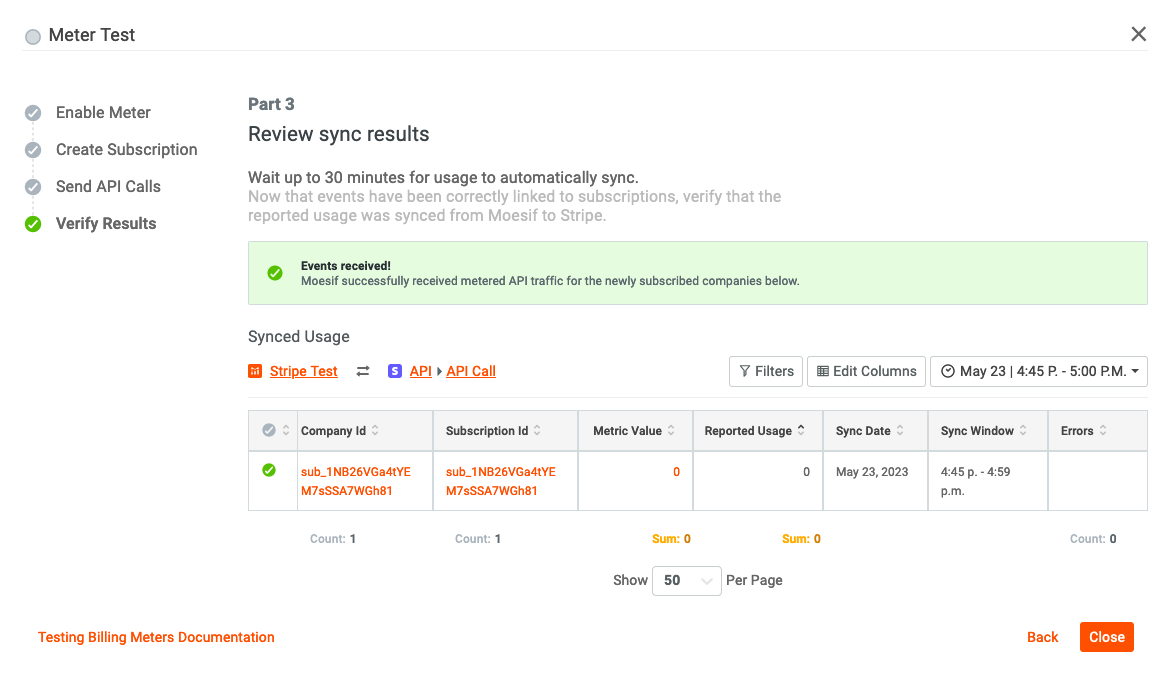
Export raw usage logs from your middleware and compare them against the invoice totals. Look for discrepancies in volume or timing. If the numbers don't match, your metering pipeline has a leak.
Verify that idempotency keys and retry logic don't trigger duplicate charges. Simulate network failures to ensure dropped packets aren't silently ignored or, worse, billed incorrectly.
Test boundary conditions. If a user hits 99% of a tier limit, ensure the system correctly switches to the next pricing bracket without overcharging or undercharging for the marginal usage.

Finally, automate these checks. Manual audits are error-prone and don't scale. Use monitoring tools to alert you when usage patterns deviate from expected baselines. This proactive approach protects your revenue integrity and builds trust with your API consumers.
FAQs about middleware monetization
What is an example of a middleware platform?
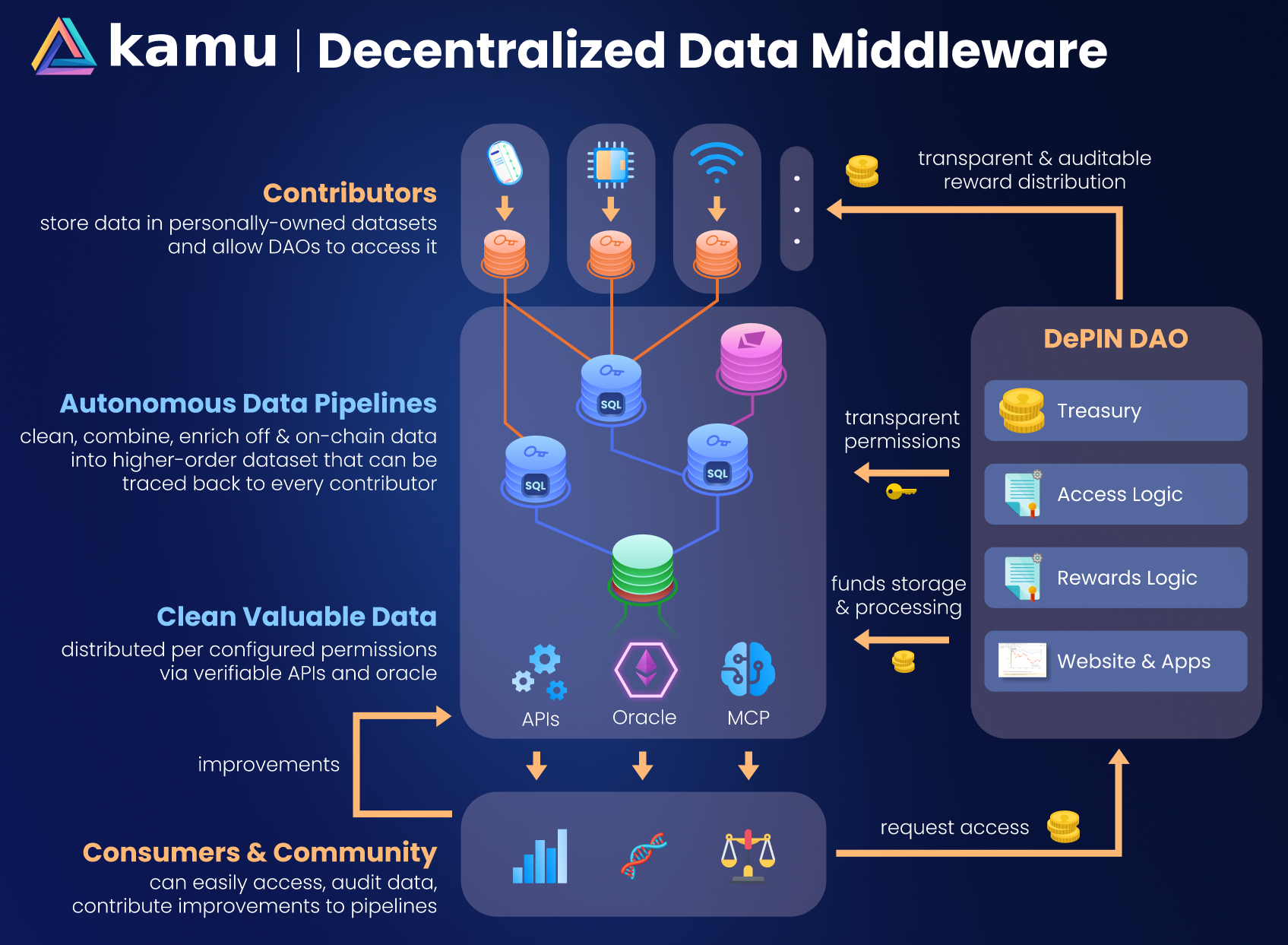
Middleware platforms act as the connective tissue between disparate systems. Common examples include Apache Kafka, RabbitMQ, and IBM MQ, which route messages between applications. Enterprise Service Bus (ESB) architectures also serve as centralized control points for complex message routing, enabling services to communicate without tight coupling.
How do you monetize API gateways and service meshes?
Monetization typically involves embedding business logic directly into the request lifecycle. This includes adding entitlement checks as middleware to verify user permissions, setting up metering via asynchronous events to track usage, and centralizing pricing rules within the gateway. This approach allows developers to enforce paywalls and track consumption before the request reaches the core service.
What is a middleware service?
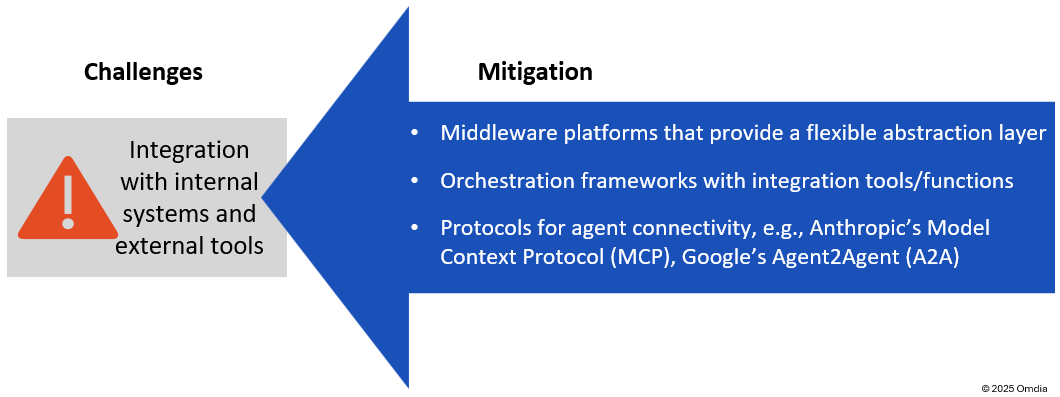
A middleware service connects applications, databases, and services to facilitate data exchange. It simplifies complex integrations for developers and IT teams by abstracting the underlying network protocols. Instead of building custom connections for every pair of systems, middleware provides a standardized layer for communication, reducing development time and maintenance overhead.
No comments yet. Be the first to share your thoughts!