
Set up the API gateway foundation
To monetize middleware effectively, you need a programmable API gateway that handles routing, security, and billing hooks out of the box. Building custom billing middleware is a common trap that delays launch and introduces security risks. Instead, choose a platform that integrates with payment providers like Stripe or PayPal, allowing you to focus on your core product logic rather than infrastructure maintenance.
Select a gateway that supports code-driven customization. Platforms like Zuplo, Kong, or Apigee allow you to inject logic at the edge. This ensures your API gateway can handle complex monetization rules without requiring changes to your backend services.
Connect your gateway to a payment processor such as Stripe. Most modern gateways offer pre-built plugins or SDKs for this. This integration allows you to trigger billing events directly from API requests, ensuring that usage is tracked and charged accurately in real time.
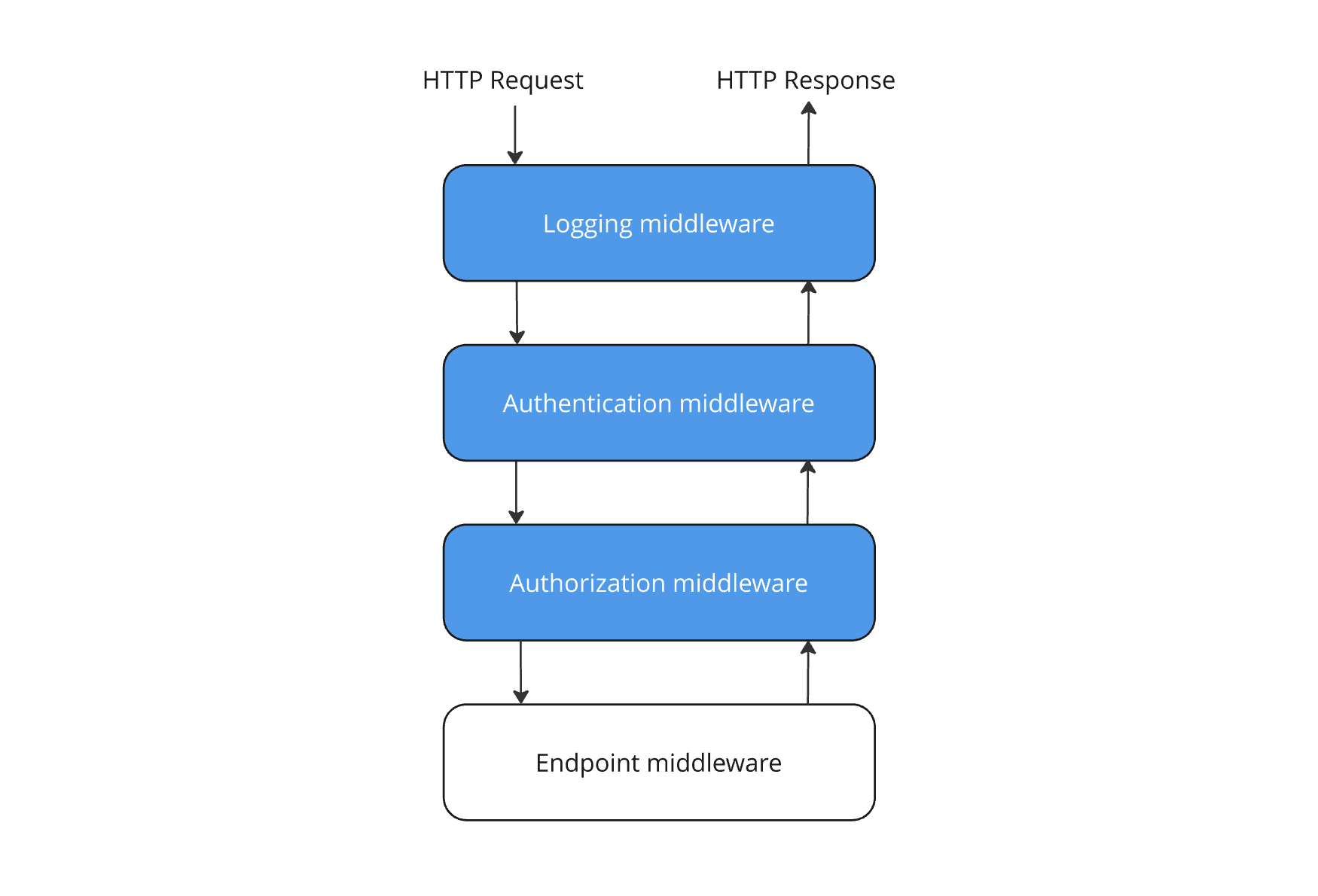
Set up middleware rules to count API calls per user or organization. Implement rate limiting to prevent abuse and to enforce tiered access levels. This data forms the basis of your usage-based billing model, providing the transparency customers expect.
Before launching, simulate various usage scenarios. Verify that the gateway correctly records usage, triggers the right billing events, and handles edge cases like expired subscriptions or overage charges. This step ensures your revenue model is robust and reliable.
Choose your revenue model structure
Selecting the right pricing architecture for your middleware requires aligning cost with the actual value delivered to the consumer. The three standard models for API gateways are tiered, usage-based, and hybrid. Each structure impacts your operational complexity, revenue predictability, and ability to scale.
Start by evaluating your customer segments. Enterprise buyers often prefer tiered plans for budget certainty, while developers and startups typically favor usage-based models to minimize upfront risk. A hybrid approach can capture both markets but demands more sophisticated billing logic within your middleware layer.
Use the comparison below to weigh the trade-offs. This framework highlights how each model performs across complexity, predictability, and scalability to help you select the right fit for your 2026 strategy.
| Model | Complexity | Revenue Predictability | Scalability |
|---|---|---|---|
| Tiered | Low | High | Medium |
| Usage-Based | Medium | Low | High |
| Hybrid | High | Medium | High |
Implement AI-driven usage tracking
Manual billing reconciliation breaks down under high API volume. To enable dynamic throttling and accurate revenue capture, you must integrate an AI monitoring layer that observes consumption in real-time. This approach shifts billing from retrospective invoices to immediate, usage-based triggers.

Embed lightweight telemetry agents directly into your API gateway or middleware layer. These agents capture metadata for every request, including endpoint, latency, and payload size. By intercepting traffic at the edge, you ensure no transaction goes unrecorded before it reaches your backend services.

Deploy machine learning models that analyze incoming traffic patterns instantly. Instead of simple threshold checks, the AI classifies requests by complexity and resource intensity. This allows you to assign granular cost weights to different types of API calls, ensuring that heavy computational tasks are billed more accurately than simple lookups.
Link the AI classification engine to your gateway’s rate-limiting controls. When the system detects anomalous usage or approaching billing limits, it can automatically throttle requests or switch users to a slower tier. This prevents revenue leakage from unlimited usage while maintaining service stability for legitimate traffic.
Stream the processed usage data directly to your billing provider, such as Stripe, via webhook or API. This eliminates the need for manual CSV exports or end-of-month reconciliation. As Zuplo notes, building this middleware allows you to cache subscription status and trigger charges immediately, reducing administrative overhead and improving cash flow visibility.
Avoid common billing integration errors
Building your own middleware to talk to Stripe or another payment processor is often the fastest way to launch, but it introduces complex state management risks. The most frequent failure point is how you handle subscription status. If you cache a user’s active status to avoid hitting the payment gateway on every request, you create a window where the cache becomes stale. A user cancels their subscription, but your middleware still grants access because the cached token hasn’t expired. This is a direct revenue leak that users will exploit immediately.
Another critical pitfall is failing to handle payment failures gracefully. When a credit card expires or a charge is declined, your middleware shouldn’t just return a generic 500 error. It must interpret the specific error code from the payment provider and trigger a clear user-facing action, such as redirecting to an update payment page or temporarily downgrading access. Ignoring these edge cases leads to frustrated users and increased churn.
Finally, ensure your middleware validates every transaction against the payment provider’s webhook, not just the initial API call. Webhooks are the source of truth for subscription changes. Relying solely on client-side confirmation or synchronous API responses leaves you vulnerable to race conditions and fraud. Always treat the webhook as the final authority on billing state.
Verify revenue accuracy and compliance
Before scaling your AI-driven API gateway, you must validate the monetization stack. A single billing error or compliance gap can trigger chargebacks, regulatory fines, or loss of enterprise trust. This audit ensures your middleware monetization models are accurate, secure, and legally sound.
Follow this sequence to audit your stack:
Start with data reconciliation. If your usage logs don’t match your invoices, no amount of compliance checking will save you from revenue leakage. Use your billing provider’s API to pull raw transaction data and compare it against your gateway’s event stream.
Next, review security and compliance. Enterprise clients will request proof of compliance before signing. Having a clean audit trail ready speeds up sales cycles and reduces legal overhead.
Finally, validate revenue recognition. Work with your finance team to ensure your accounting software correctly categorizes API revenue. Misclassification can distort your financial reports and mislead investors.
No comments yet. Be the first to share your thoughts!