
Choose your pricing model
Middleware APIs sit between your data and the consumer, making the pricing model the engine of your revenue. The wrong model creates friction; the right one scales with your infrastructure costs. You generally have three options: tiered, usage-based, or hybrid.
Your middleware type and customer base should dictate the choice. Enterprise clients often prefer tiered plans for budget predictability, while developers and startups lean toward usage-based pricing to minimize upfront risk.
Use the comparison below to evaluate which model aligns with your operational complexity and customer expectations.
| Model | Revenue Predictability | Implementation Complexity | Best Customer Fit |
|---|---|---|---|
| Tiered | High | Medium | Enterprise & B2B |
| Usage-Based | Low | High | Startups & Devs |
| Hybrid | Medium | High | Mixed B2B/B2C |
Tiered Pricing
Tiered pricing bundles API calls or features into fixed monthly packages. This model works best for middleware that serves enterprise clients who require stable, predictable costs for their fiscal planning. It simplifies sales cycles because the value proposition is clear and bounded.
However, you must carefully define the limits between tiers. If the jump from "Basic" to "Pro" is too large, customers may churn. If it is too small, you leave money on the table. This model requires less complex billing infrastructure than usage-based systems.
Usage-Based Pricing
Usage-based pricing charges customers strictly for what they consume, such as per API call or per gigabyte of data processed. This aligns your revenue directly with your infrastructure costs, making it ideal for developer-focused middleware or high-volume B2C applications.
The downside is revenue volatility. A sudden spike in customer traffic increases your costs but does not immediately increase your billable events if you have a grace period. You need robust real-time monitoring to prevent abuse and ensure accurate billing.
Hybrid Models
Hybrid models combine a base subscription fee with overage charges for usage beyond the included limit. This approach captures the stability enterprises want while allowing for growth as customers scale. It is increasingly common in 2026 as middleware becomes more critical to core operations.
Implementing a hybrid model is technically complex. You must build systems that track both subscription status and real-time usage simultaneously. While it offers the most flexibility, it requires significant engineering resources to manage disputes and billing accuracy.
Implement billing infrastructure
Monetizing middleware requires moving beyond simple access controls to a system that tracks usage and charges accurately. The goal is to embed billing logic directly into your data pipeline so that every API call is accounted for before the response reaches the consumer. This approach minimizes latency spikes during payment checks while ensuring no request goes unbilled.
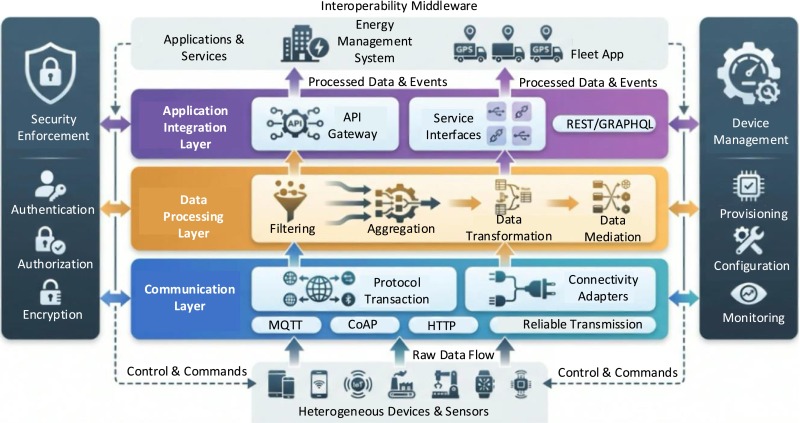
Choose a provider that supports programmatic API billing, such as Stripe or Paddle. You will need their official SDK to handle tokenization and subscription management securely. Avoid building custom payment logic; instead, rely on their hosted checkout or embedded components to remain PCI compliant.
Create a middleware layer that intercepts incoming API requests. This layer should extract the user’s API key and append a usage event to a queue or log. Do not block the request immediately for billing checks; instead, process it asynchronously to maintain low latency for the end user.
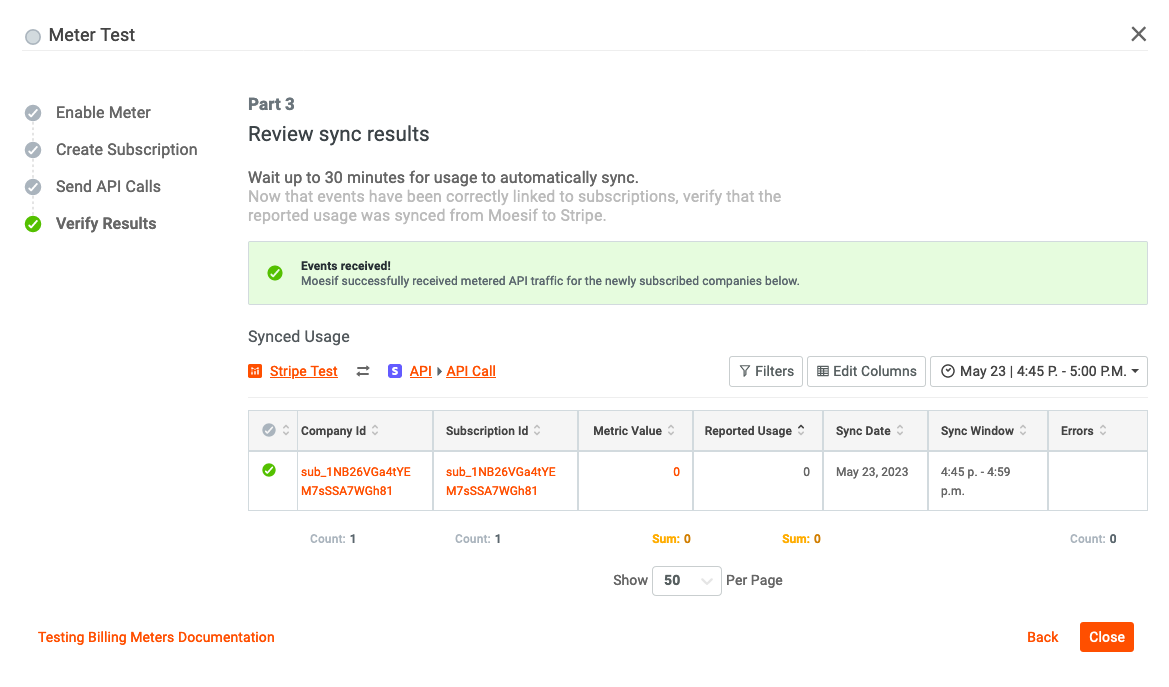
Aggregate the usage events into hourly or daily buckets. This aggregation step is critical for reducing the number of API calls to your payment provider. Instead of charging per single request, you bill based on aggregated units (e.g., per 1,000 calls or per GB of data transferred) to simplify invoicing and reduce transaction fees.
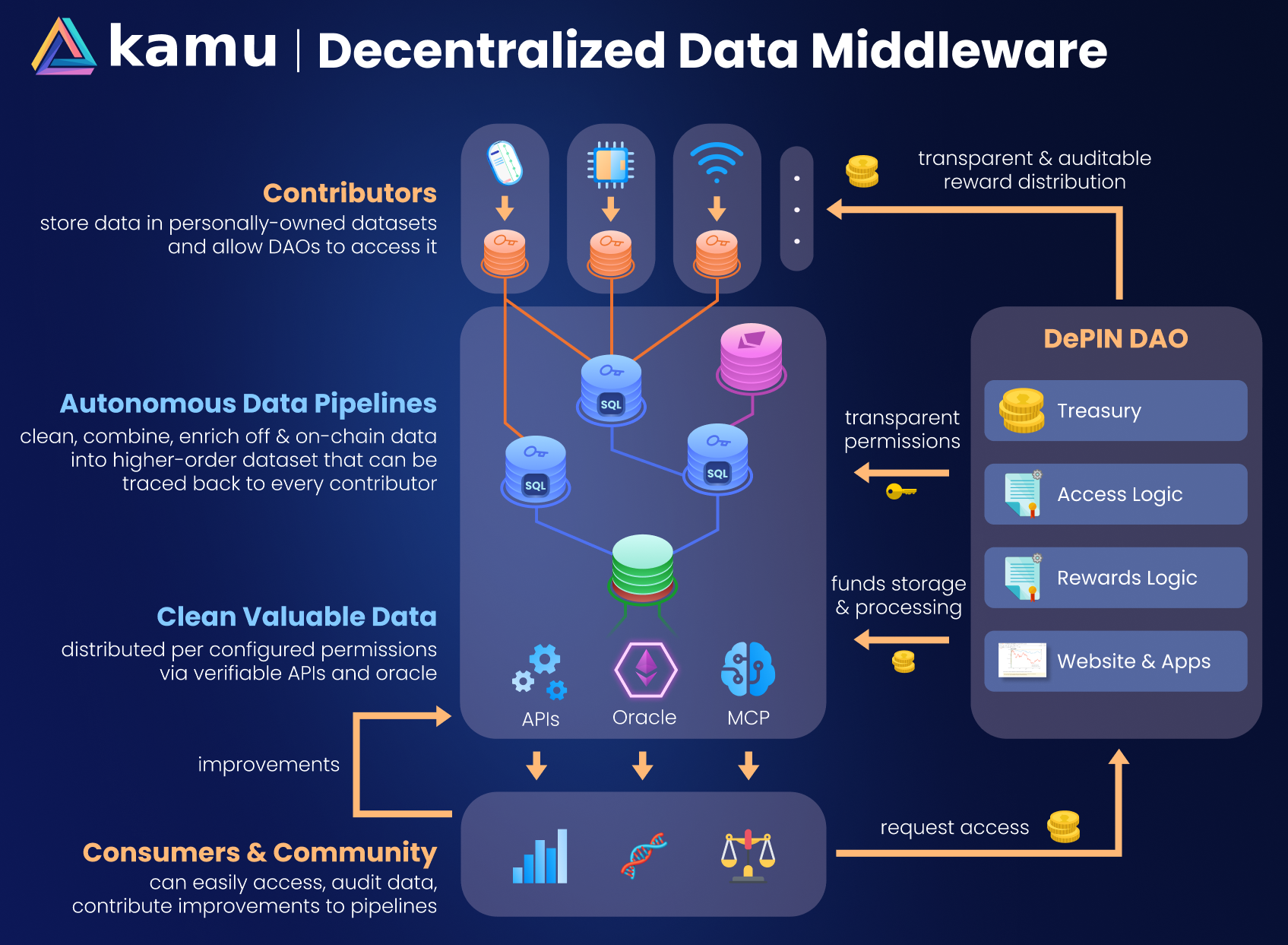
Periodically push the aggregated usage data to your chosen payment gateway. Use webhooks to notify your middleware when a payment succeeds or fails. This synchronization ensures that your internal records match the financial ledger, preventing revenue leakage from unpaid or failed transactions.
Optimize with AI-driven analytics
You can treat AI analytics as the nervous system for your middleware API. Instead of relying on static monthly reports, you deploy models that ingest real-time traffic data to detect usage anomalies, forecast demand spikes, and adjust pricing or rate limits dynamically. This shifts your operation from reactive billing to proactive revenue management.
1. Ingest and normalize traffic data
Begin by connecting your API gateway logs to an analytics pipeline that can handle high-velocity events. You need a unified view of every request, including latency, payload size, and endpoint frequency. If your data is siloed across different services, your AI models will miss cross-service bottlenecks. Ensure your ingestion layer tags each request with a unique client identifier so you can attribute usage accurately to specific accounts or tiers.
2. Detect anomalies and fraud patterns
Once data is flowing, train your models to distinguish between legitimate traffic spikes and malicious activity. AI-driven analytics excel at identifying subtle deviations, such as a sudden increase in failed authentication attempts or unusual data extraction patterns. By flagging these anomalies in real time, you can automatically throttle suspicious IPs or trigger additional verification steps. This protects your infrastructure from abuse while ensuring that genuine users experience minimal disruption. Revenera notes that dynamic monitoring is essential for maintaining integrity in modern monetization strategies.
3. Adjust limits and pricing dynamically
The final step is closing the loop by acting on the insights. If demand consistently exceeds capacity during specific hours, your system can automatically raise rate limits for premium tiers or introduce surge pricing for overage usage. Conversely, if a particular endpoint sees declining engagement, you might lower its cost to stimulate volume. This dynamic adjustment ensures you capture maximum value from high-demand periods without pricing out price-sensitive users during lulls.
4. Validate and refine models
AI models drift over time as user behavior and market conditions change. Schedule regular reviews of your anomaly detection thresholds and pricing algorithms. Compare predicted revenue against actual outcomes to identify where your models are overestimating or underestimating value. Use A/B testing to roll out new pricing strategies to small segments of users before applying them broadly. This iterative approach ensures your monetization strategy remains aligned with actual market demand.
Avoid common billing mistakes
Billing errors are the fastest way to kill API adoption. Even a small friction point in the payment flow can cause developers to abandon your middleware before they write their first line of code. Avoid these three pitfalls to keep your monetization strategy intact.
Over-provisioning resources
Many middleware providers fail to account for the "thundering herd" effect, where sudden traffic spikes overwhelm billing servers. If your billing logic doesn't cache subscription status efficiently, you risk cascading failures that delay charge processing. Build your middleware to talk directly to a payment processor like Stripe, but ensure you cache user status locally to avoid unnecessary API calls during high-traffic events.
Complex pricing structures
Confusing pricing tables deter adoption. If a developer has to calculate costs for every API call, they will choose a competitor with transparent, flat-rate pricing. Keep your billing tiers simple. Use clear, predictable units (like per-request or per-GB) rather than complex, multi-variable formulas that require external calculation.
Poor developer experience (DX)
Billing shouldn't be a black box. If your middleware doesn't provide real-time usage dashboards or instant error feedback for failed payments, developers will assume the API is broken. Integrate robust error handling that clearly distinguishes between network issues and billing blocks. Provide immediate, actionable feedback so developers can fix their integration without contacting support.
-
Cache subscription status to prevent billing server overload
-
Simplify pricing tiers to one clear unit per request
-
Implement real-time usage dashboards for developers
-
Add clear error codes for failed payments vs. network issues
Frequently asked questions about API monetization
How do I handle free tiers without losing money? Free tiers are essential for developer adoption, but they must have hard limits. Set strict rate limits and usage caps to prevent abuse. Use middleware to cache frequently requested data, reducing your server costs while keeping the experience fast for free users. This approach turns free users into a marketing channel rather than a cost center.
What should I include in enterprise API contracts? Enterprise contracts require more than just a higher price tag. You must define clear Service Level Agreements (SLAs) for uptime and support response times. Include data privacy clauses that align with GDPR or CCPA, as large clients will require proof of security. Always negotiate separate terms for overage fees to protect your margins if usage spikes.
How do I track usage for billing accurately? Accurate tracking requires a dedicated analytics layer. Instead of relying on your database logs, use a specialized API gateway or middleware solution that records every request. This data feeds directly into billing platforms like Stripe, ensuring you only charge for actual consumption. Regular audits of this data prevent revenue leakage from buggy clients or internal errors.
No comments yet. Be the first to share your thoughts!