
Choose your pricing model
Your middleware’s pricing model dictates how customers perceive its value. A mismatch here creates friction before the first API call. You must align the revenue structure with the specific utility the middleware provides—whether that is data enrichment, rate limiting, or protocol translation.
Most successful middleware monetization strategies in 2026 fall into three buckets: tiered, usage-based, or hybrid. Each model carries distinct implications for customer predictability, billing complexity, and sales cycles. The right choice depends on whether your customers value cost certainty or flexibility.
Tiered Pricing
Tiered pricing bundles features into fixed packages (e.g., Basic, Pro, Enterprise). It works best when your middleware offers distinct feature sets that different customer segments need. Customers appreciate the simplicity of a fixed monthly fee, which aids their internal budgeting.
However, tiered models can stifle growth for high-volume users who outgrow their tier quickly. You risk "leakage" where customers stay on a lower tier despite heavy usage, or churn when they hit a hard limit. This model is less common for pure infrastructure middleware but remains strong for value-add features.
Usage-Based Pricing
Usage-based pricing charges customers strictly for what they consume, such as per API call, per GB of data processed, or per active user. This model aligns your revenue directly with the value delivered. It lowers the barrier to entry, allowing startups to test your middleware without a large upfront commitment.
The downside is revenue unpredictability for your business. Customers may hesitate to scale if they fear bill shock. To mitigate this, you must implement clear usage dashboards and hard limits. This model is standard for compute-heavy middleware where resource consumption varies wildly between users.
Hybrid Pricing
Hybrid pricing combines a base subscription fee with overage charges for usage beyond a certain threshold. This model offers the stability of a recurring revenue floor while capturing upside from heavy users. It is often the most robust choice for enterprise middleware where support costs are fixed but usage scales.
Hybrid models require more sophisticated billing infrastructure. You need to clearly communicate the "included" vs. "overage" boundaries to avoid disputes. For middleware that serves both small teams and large enterprises, this balance often maximizes lifetime value.
Comparing the Models
The table below contrasts these three approaches across key operational dimensions. Use this to evaluate which structure fits your middleware’s cost structure and customer expectations.
| Model | Revenue Predictability | Billing Complexity | Best Customer Fit |
|---|---|---|---|
| Tiered | High | Low | SMBs with stable needs |
| Usage-Based | Low | High | Startups, variable workloads |
| Hybrid | Medium-High | Medium | Enterprises, scaling teams |
Selecting the wrong model early can lock you into a billing architecture that is difficult to change. Start with the model that matches your current customer segment, but design your middleware’s billing hooks to allow for future expansion. For example, building a usage-based engine from day one makes adding a tiered overlay easier later.
Build the billing gateway
The middleware layer acts as the gatekeeper between your API and the user. It intercepts incoming requests, validates payment status, and enforces access control before data is served. This architecture ensures that only paying users can access premium endpoints, creating a reliable revenue stream without disrupting the core application logic.
To implement this effectively, you must integrate a payment provider like Stripe directly into your middleware. This approach allows you to cache subscription status locally to avoid frequent API calls to the payment processor, which reduces latency and costs. The middleware checks this cached status on every request, returning a 403 Forbidden error if the user’s subscription has lapsed or never existed.
Start by configuring your API keys from your payment provider (e.g., Stripe) within your middleware environment variables. Define the specific API endpoints that require monetization. This setup ensures that sensitive credentials are not exposed in your client-side code and that only designated routes trigger the billing logic.
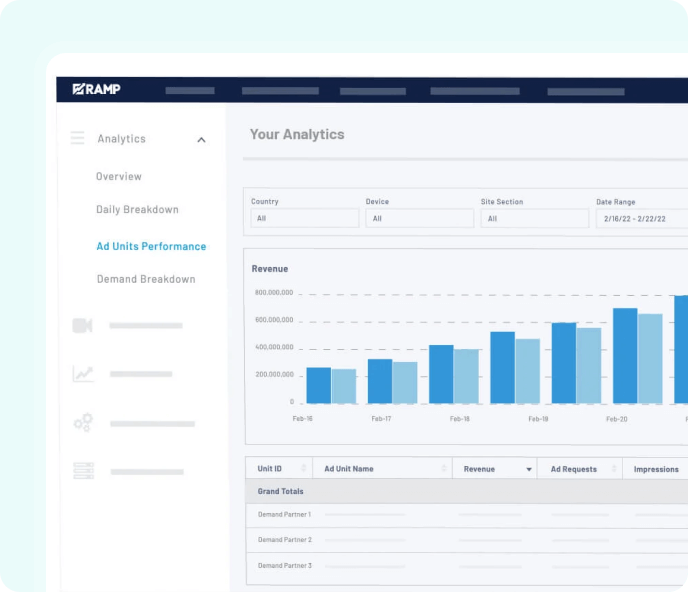
When a request arrives, the middleware extracts the user’s authentication token and queries your database for their current subscription status. To maintain performance, cache this status in a fast in-memory store like Redis. This step avoids the latency of hitting the payment provider’s API for every single request, ensuring your service remains responsive even under heavy load.
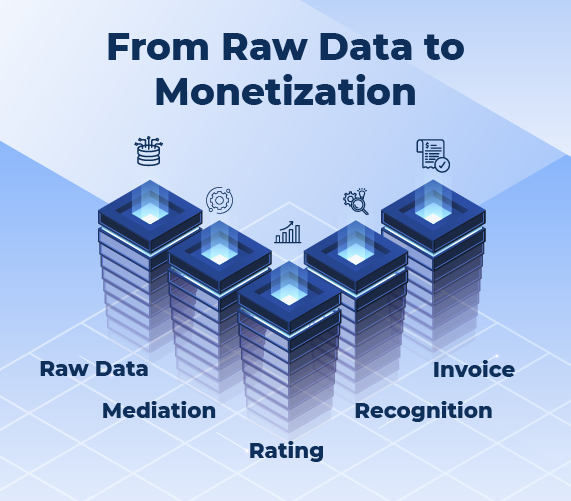
Based on the cached status, the middleware either allows the request to proceed to your backend or returns a 403 Forbidden response. If the user is not authorized, include a clear error message or a redirect to your checkout page. This enforcement mechanism is critical for preventing unauthorized access to premium features and ensuring that every data request is monetized.
Set up usage tracking
Accurate API consumption tracking is the foundation of middleware monetization. Without precise telemetry, you cannot bill customers correctly or identify revenue leakage. Building a middleware layer that intercepts every request allows you to capture granular data—such as endpoint, method, and payload size—before the response reaches the client.
Start by defining your unit of measure. Whether you bill per request, per megabyte, or per active user, your middleware must normalize this data consistently. Zuplo notes that building this yourself requires caching subscription status to avoid unnecessary backend calls, which keeps latency low while ensuring accurate attribution. [1]
Inject a logging middleware at the edge of your API gateway. This component must capture the timestamp, API key, and resource path for every incoming request. Ensure it logs errors separately to distinguish between successful usage and failed attempts that should not be billed.
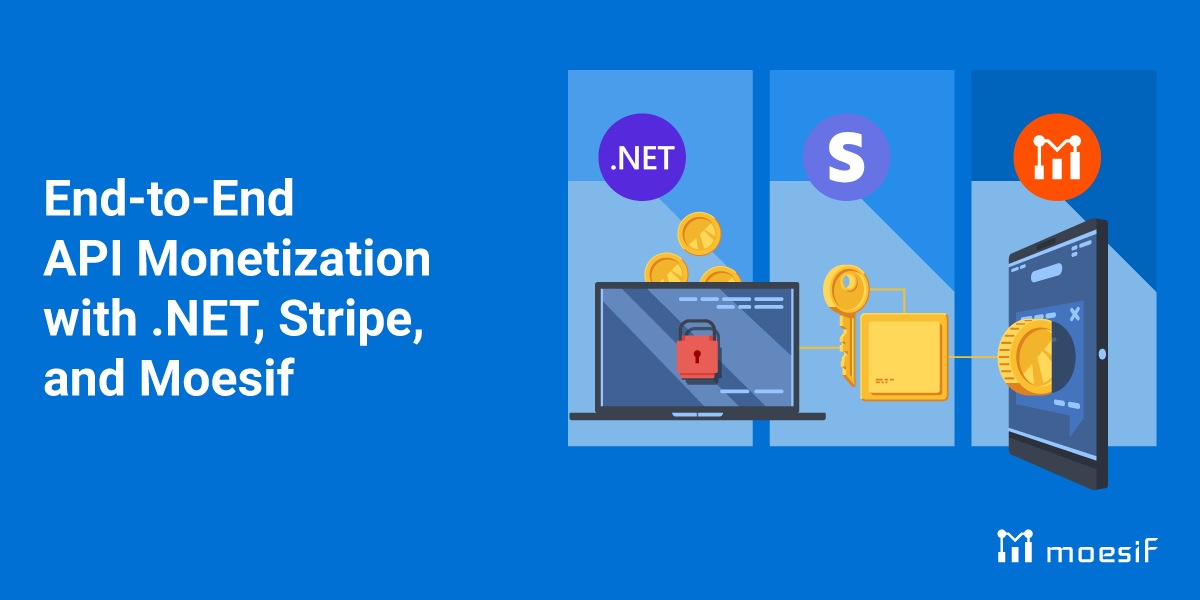
Stream these logs to a dedicated analytics store or data warehouse. Avoid storing raw logs in your primary database, as this adds latency and cost. Use a service like Moesif or a custom Kafka pipeline to aggregate counts by customer ID and billing period. [2]

Implement a validation step that checks usage against the customer’s tier limits. If a customer exceeds their free tier, the middleware should trigger a billing event or apply overage rates automatically. This prevents revenue leakage by ensuring every billable unit is captured.
By treating usage data as a first-class asset, you create a reliable audit trail. This enables you to reconcile billing disputes quickly and provides the data needed for dynamic pricing models in the future.
[1] https://zuplo.com/blog/api-monetization-ultimate-guide [2] https://www.moesif.com/
Avoid common billing errors
Middleware monetization fails when the code that gates access doesn't match the billing reality. Even a one-second delay in subscription verification can result in a user consuming resources they haven't paid for, or worse, locking out a paying customer due to a transient network error.
The most frequent pitfall is hitting your payment provider on every single API call. This approach creates a race condition where your middleware waits for a live response from Stripe or PayPal before allowing traffic. If the provider is slow, your API is slow. If the provider throttles you, your users get errors. You must cache subscription status locally to avoid hitting payment providers on every API call, which causes latency and rate limit issues.
Beyond latency, poor error handling in middleware can lead to silent failures. If your middleware cannot verify a license key, it should fail open or closed based on your business risk tolerance, but it must never crash the entire request. Use idempotent operations for billing updates so that retrying a failed transaction doesn't double-charge a user. Always implement circuit breakers for your billing dependencies to ensure your core API remains available even if your monetization layer is temporarily down.
Validate your revenue stack
Before you flip the switch on middleware monetization, run a final validation sweep. This checklist ensures your infrastructure is secure, compliant, and ready for production. Treat this as the quality assurance gate that separates a live revenue stream from a liability.
Security and Access Controls
Verify that your middleware enforces strict authentication. Every API endpoint must validate tokens before processing transactions. Use OAuth 2.0 or similar standards to ensure only authorized clients access your data. Test edge cases where tokens expire or are malformed to prevent unauthorized access.
Compliance and Legal Checks
Ensure your middleware adheres to relevant data protection regulations like GDPR or CCPA. Audit your data handling practices to confirm you are not storing sensitive user information unnecessarily. If you are processing payments, verify PCI DSS compliance for any touchpoints that handle card data. Keep documentation of these checks for future audits.
Testing and Monitoring
Run end-to-end tests in a staging environment that mirrors production. Simulate high traffic loads to check for bottlenecks in your middleware logic. Set up real-time monitoring alerts for latency spikes or error rate increases. This proactive approach helps you catch issues before they impact your users or revenue.
Pre-Launch Checklist
-
Security: Authentication and authorization flows tested.
-
Compliance: Data privacy and payment regulations verified.
-
Testing: End-to-end transactions successful in staging.
-
Monitoring: Alerts configured for latency and errors.
-
Documentation: API docs and legal disclaimers updated.
Frequently asked: what to check next
Developers and founders often have specific technical and business questions about middleware monetization. Here are answers to the most common inquiries regarding API monetization models, billing integration, and handling failed payments.
No comments yet. Be the first to share your thoughts!