
Defining middleware monetization
Middleware monetization refers to the revenue models built into the integration layer that connects disparate software systems. Unlike simple API access, which typically charges for raw data retrieval or function calls, middleware monetization captures value from the orchestration, transformation, and routing of that data. It is the business model behind the "unseen layer" that allows applications to accept payments, sync with enterprise resource planning (ERP) systems, and communicate across multiple gateways without direct, point-to-point coding.
The distinction lies in complexity and abstraction. A standard API endpoint might charge per request for a specific outcome. Middleware, however, charges for the infrastructure that manages the relationships between those endpoints. For example, a payment gateway provides the transaction capability; payment middleware provides the logic to route that transaction through the correct bank, handle retries, and format the data for the merchant's internal ledger. Monetization here covers the overhead of maintaining these connections, ensuring compliance, and providing a unified interface for multiple underlying services.
This model is evident across various infrastructure types. In streaming, OTT middleware monetizes through hybrid models that manage advertising, subscriptions, and user profiles simultaneously. In enterprise software, it monetizes by abstracting the complexity of legacy system integration. The value proposition shifts from "access to information" to "reliable connectivity and data integrity." As infrastructure becomes more fragmented, the ability to monetize the glue that holds these systems together becomes a primary revenue driver for infrastructure providers.
Comparing monetization structures
Middleware monetization models generally fall into three primary categories: subscription, usage-based, and transaction fees. Each structure aligns with different infrastructure goals, risk tolerances, and customer expectations. Choosing the right model requires understanding how each impacts your revenue predictability and the customer's perceived value.
Subscription model
The subscription model charges a fixed recurring fee for access to middleware features. This approach offers high revenue predictability and simplifies budgeting for enterprise clients. It works best when the middleware provides consistent, always-on value, such as API gateways or identity management platforms. However, it can discourage usage growth if customers feel they are paying for capacity they do not fully utilize.
Usage-based model
Usage-based pricing scales costs directly with consumption, such as API calls, data volume, or compute time. This model aligns middleware costs with the actual value delivered to the customer, making it attractive for startups and variable-workload environments. It removes the barrier to entry for smaller users but introduces revenue volatility for the provider. Accurate metering and billing infrastructure are essential to manage this complexity.
Transaction fee model
Transaction fees charge a percentage or fixed amount per completed action, such as a payment processed or a message delivered. This model is common in payment gateways and messaging middleware. It creates a direct link between the middleware's performance and the customer's success, fostering strong alignment. However, it requires robust fraud detection and high-volume processing capabilities to remain profitable.
Comparison of middleware monetization models
The table below compares the primary revenue models across key operational dimensions.
| Model | Revenue Predictability | Scalability | Billing Complexity |
|---|---|---|---|
| Subscription | High | Medium | Low |
| Usage-based | Low | High | High |
| Transaction fee | Medium | High | Medium |
AI agents driving automated pricing
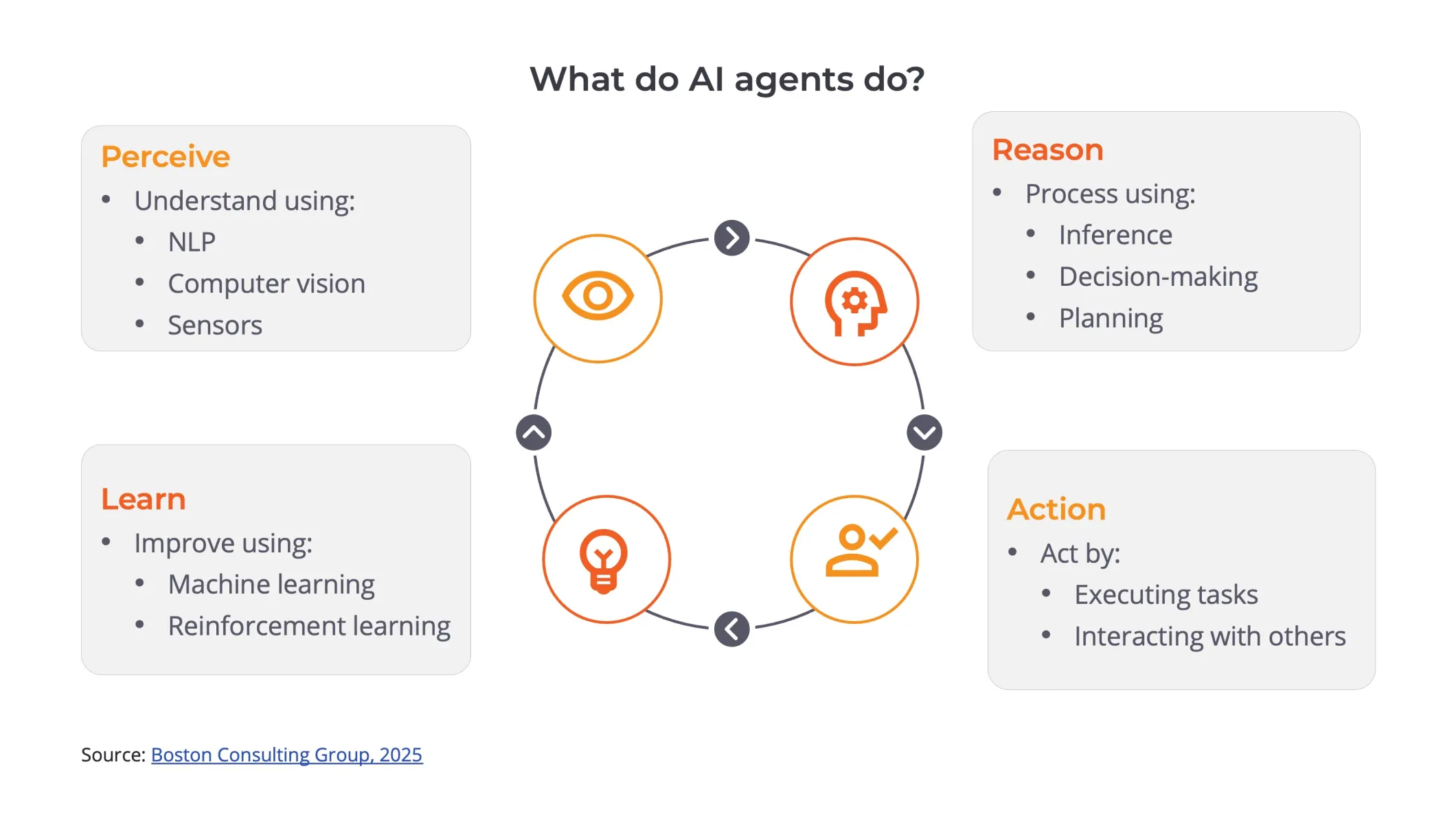
The era of static rate cards for middleware is ending. As AI agents become the primary interface for software procurement, middleware monetization models are shifting from fixed subscriptions to dynamic, automated pricing. This transition moves pricing logic from a human-set calendar to an algorithmic engine that responds to real-time demand, usage spikes, and market conditions.
AI agents negotiate and execute middleware transactions autonomously. Instead of a developer manually selecting a tier, an agent evaluates the specific technical requirements of a task—such as API latency thresholds or data throughput—and selects the most cost-effective middleware provider. This creates a marketplace where price is fluid, adjusting instantly based on the value delivered in that specific micro-transaction.
This shift introduces significant efficiency but also new risks. Automated pricing algorithms can overcharge during peak demand or underprice during lulls, potentially eroding margins if not carefully calibrated. The middleware provider must ensure their pricing logic aligns with actual infrastructure costs, while the buyer’s agent must be configured to prioritize reliability over mere cost minimization.
The result is a middleware ecosystem that operates more like a utility grid than a software store. Prices fluctuate based on load, and value is measured in continuous service delivery rather than static access. Providers who fail to adapt their monetization models to this agent-driven reality risk becoming invisible to the automated procurement systems that now govern enterprise software spending.
Enterprise api strategy choices that change the plan
For enterprise buyers, middleware monetization is rarely a simple procurement decision; it is a structural tradeoff between control, compliance, and total cost of ownership (TCO). The choice between building an in-house integration layer and licensing third-party middleware dictates how an organization handles data sovereignty, latency, and vendor lock-in.
Reliability and Vendor Risk
Third-party middleware providers offer built-in redundancy and global scaling that are prohibitively expensive to replicate internally. However, this convenience introduces single points of failure. If a middleware provider experiences an outage, your entire API ecosystem halts. In-house solutions provide granular control over uptime SLAs but require significant engineering overhead to maintain high availability across distributed systems.
Compliance and Data Sovereignty
Regulatory frameworks like GDPR, HIPAA, and PCI-DSS demand strict data handling protocols. Middleware providers often act as data processors, meaning you must verify their compliance certifications and data residency options. While major providers offer robust compliance tooling, they also create additional attack surfaces. Building in-house allows for custom encryption and audit trails tailored to specific regulatory needs, though this shifts the entire compliance burden to your internal security team.
Total Cost of Ownership (TCO)
The TCO calculation for middleware monetization extends beyond license fees. For SaaS-based middleware, costs scale with API calls and data volume, which can lead to unpredictable expenses during growth spikes. Conversely, self-hosted middleware involves high initial capital expenditure for infrastructure and ongoing costs for engineering talent. The break-even point often depends on transaction volume; low-volume enterprises typically save with SaaS, while high-volume enterprises benefit from the fixed costs of self-hosting.
Decision Framework
When evaluating middleware monetization models, prioritize the following:
- Speed to Market: Choose SaaS middleware if rapid deployment is critical.
- Customization Needs: Opt for self-hosted solutions if you require deep, non-standard integrations.
- Regulatory Constraints: Select providers with verified data residency in your target markets.
- Scale Predictability: Estimate long-term API volume to determine if variable SaaS pricing or fixed self-hosted costs are more economical.
Frequently asked: what to check next
How much does middleware monetization implementation cost?
Implementation costs vary significantly based on complexity. Basic payment or data routing layers may require minimal upfront investment, while scalable, secure platforms—such as AWS-powered solutions for programmatic advertising—involve higher infrastructure and integration expenses. The primary value lies in enabling seamless communication between disparate systems, like ERPs and payment gateways, which justifies the initial outlay through long-term operational efficiency.
Which monetization model is best for middleware?
There is no single best model; the choice depends on your specific use case. For game development, selling middleware to creators often yields more stable revenue than developing end-user games. In blockchain, middleware monetization might involve staking or data services, while in media, it often centers on programmatic ad sales. Evaluate your target audience’s willingness to pay for integration versus end-product access.
Is middleware monetization worth the effort compared to direct product sales?
For many technical teams, providing the tools that help others build products offers a more predictable revenue stream. Building middleware allows you to monetize your technical expertise without bearing the full risk of consumer-facing product success. It transforms your code into a utility that multiple clients rely on, creating recurring value rather than one-off sales.
No comments yet. Be the first to share your thoughts!