
Middleware Monetization Strategy
Middleware monetization strategy is no longer about simple access control. It requires a system that tracks usage accurately and charges for value delivered. The goal is to embed billing directly into the data flow, turning middleware from a cost center into a revenue generator.
In 2026, successful strategies move beyond flat fees. They include:
- Pay-per-call: Charge for every API request processed.
- Tiered access: Offer basic features for free, premium features for a subscription.
- Usage-based billing: Charge based on data volume or processing time.
Choosing the right model depends on your SaaS product. A comparison table below helps you decide.
| Strategy | Best For | Complexity |
|---|---|---|
| Pay-per-call | High-volume, unpredictable usage | Medium |
| Tiered access | Predictable, steady usage | Low |
| Usage-based | Data-heavy, scalable products | High |
Use the calculator to estimate your potential revenue based on your current traffic.
Middleware monetization strategy choices that change the plan
Choosing a monetization model for AI-driven middleware requires balancing immediate cash flow against long-term platform stickiness. There is no single best approach; the right strategy depends on whether your middleware acts as a utility, a value-add feature, or a standalone revenue center. Most successful 2026 implementations move beyond simple access controls to usage-based tracking that charges accurately for compute, data transfer, or API calls.
The following comparison highlights the core tradeoffs between the three dominant monetization frameworks. Each model serves different customer maturity levels and integration depths.
| Strategy | Revenue Type | Integration Effort | Best Use Case |
|---|---|---|---|
| Per-Call API | Transaction-based | Low | High-volume, stateless data lookups or AI inference |
| Tiered Subscription | Recurring (MRR) | Medium | Stable workflows with predictable monthly usage |
| Usage-Based Metering | Variable/Scalable | High | Variable workloads where cost scales with customer success |
Direct Answer: Which Model Wins?
For AI middleware in 2026, usage-based metering often drives the highest lifetime value because it aligns your costs with your customers' success. If a customer uses more AI tokens or processes more data, they generate more revenue for you without requiring a contract renegotiation. However, this requires robust backend instrumentation to track every event accurately.
Tradeoffs by Use Case
Per-Call API pricing is simple to implement but can lead to revenue volatility. It works best for transactional services like payment gateways or real-time translation services where the customer expects to pay only for what they use, but the volume is high and predictable. The tradeoff is that you lose the stability of recurring revenue.
Tiered Subscriptions provide predictable Monthly Recurring Revenue (MRR), which investors prefer. However, they can create friction for high-volume users who feel penalized for growth, or low-volume users who pay for features they don't need. This model is ideal for middleware that provides a stable, always-on value proposition, such as identity verification or data enrichment.
Usage-Based Metering is the most flexible but also the most complex to manage. It requires precise tracking of API calls, compute time, or data volume. While it maximizes revenue from power users, it can surprise customers with unexpected bills if not communicated clearly. This is the preferred model for AI inference layers where compute costs fluctuate wildly.
Decision Framework
To decide, ask three questions:
- Is usage predictable? If yes, tiered subscriptions reduce billing friction.
- Does value scale with usage? If yes, usage-based metering captures more value.
- Is the middleware a utility or a feature? Utilities often prefer per-call; features prefer subscriptions.
The calculator above helps you estimate baseline revenue for a per-call model. For subscription models, multiply the number of users by the tier price. For usage-based models, factor in the average compute cost per call to ensure margin sustainability.
How to Choose the Right Middleware Monetization Strategy
The path to 10x recurring revenue depends on selecting a monetization model that aligns with your middleware’s role in the stack. You cannot simply charge for access; you must charge for value. The following decision framework helps you select the right strategy based on your architecture and customer profile.
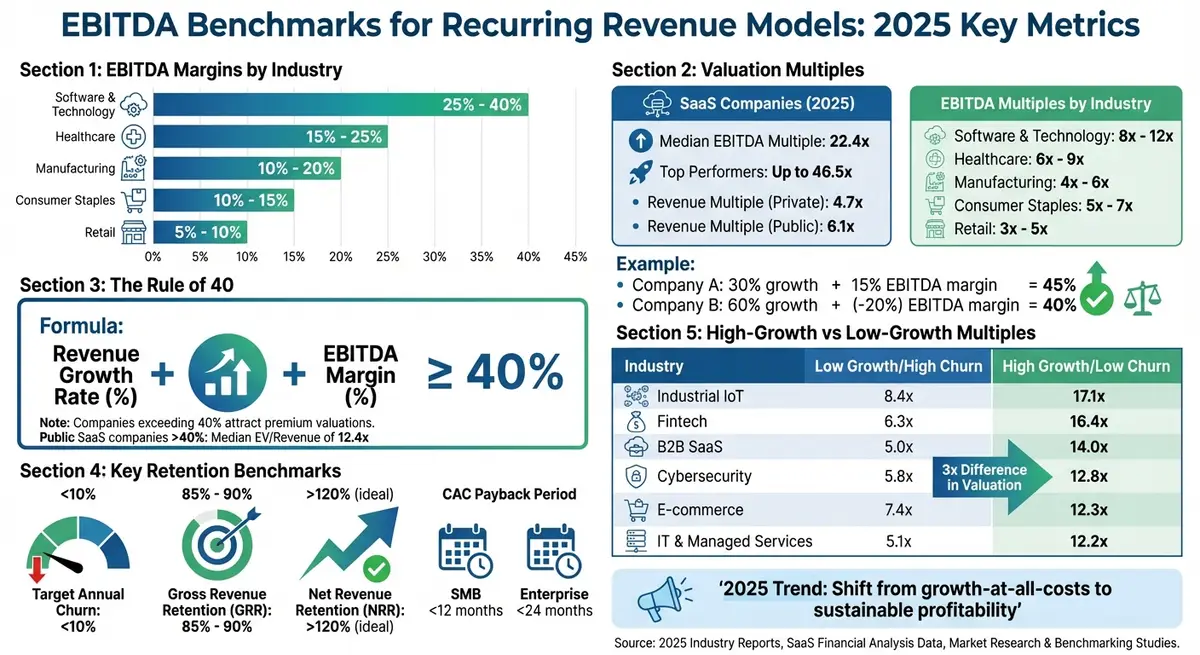
Identify where your middleware adds unique value. Is it routing data, transforming formats, or enabling AI inference? If you are primarily a pipe, usage-based pricing works best. If you are adding intelligence or privacy (like Darklake on Solana), tiered subscription models capture more value. Measure the exact cost of each transaction to set your margins.
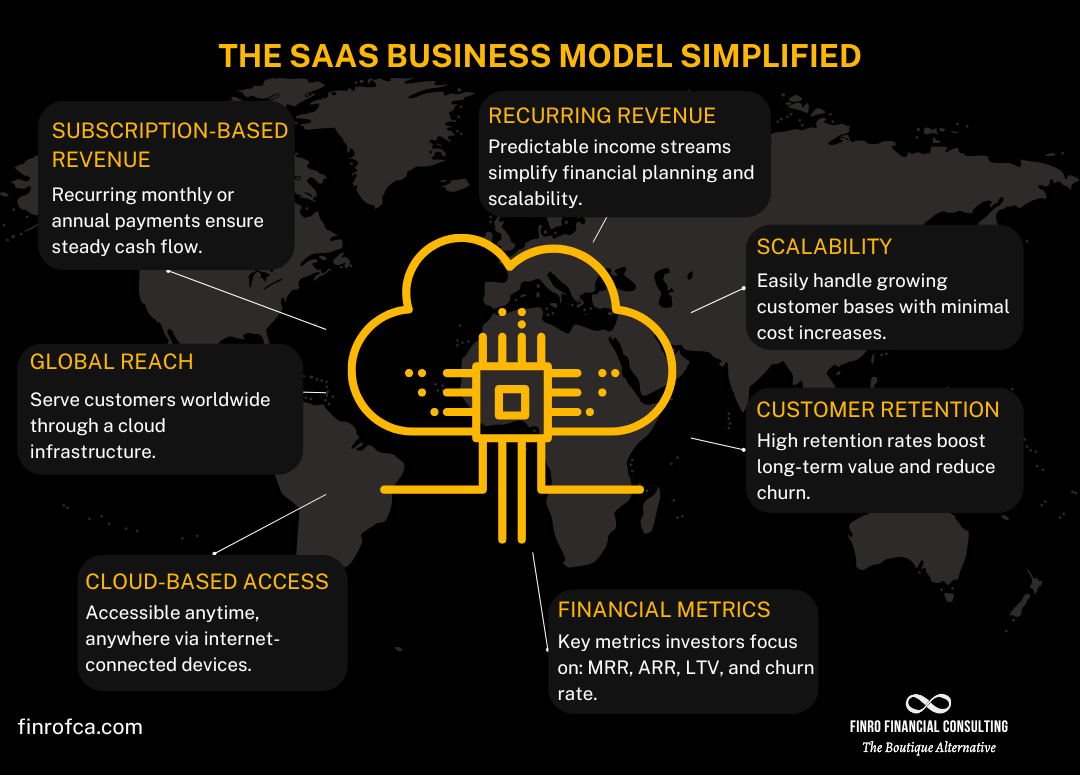
Match the model to the customer’s usage pattern. For high-volume, predictable traffic, a flat-rate subscription simplifies budgeting for enterprise buyers. For variable workloads, metered API pricing ensures you capture every micro-transaction. Hybrid models—base fee plus overage—are often the most robust for 2026, balancing stability with scalability.
Monetization fails without accurate telemetry. Embed lightweight SDKs or API gateways that track calls, data volume, and compute time in real-time. This data is not just for billing; it reveals which features drive retention. Without precise tracking, you cannot optimize your pricing tiers or identify churn risks early.
Before a full launch, test your pricing with three to five design partners. Gather feedback on perceived value versus cost. Adjust your tiers based on their willingness to pay. This step reduces the risk of underpricing your innovation or pricing out your target market.
Spotting Weak Middleware Monetization Strategies
Many SaaS platforms promise 10x recurring revenue by treating middleware as a simple integration layer. This approach fails because it ignores the complexity of usage tracking and accurate billing. As noted in recent 2026 monetization guides, moving beyond basic access controls is essential for embedding revenue streams directly into API traffic [src-serp-1].
Common Mistakes to Avoid
1. Ignoring Granular Usage Metrics Charging a flat fee for middleware access misses high-volume enterprise clients who consume disproportionate resources. Without per-call or per-data-unit tracking, you leave significant revenue on the table.
2. Overcomplicating the Stack Adding too many privacy or routing layers (like those seen in Solana middleware strategies) can increase latency and cost without adding clear value for the end-user [src-serp-2]. Keep the stack lean.
3. Weak Security Postures Middleware handles sensitive data between services. Inadequate authentication or encryption leads to breaches that destroy trust and recurring revenue. Prioritize security from day one.
Decision Guide
| Strategy | Best For | Risk |
|---|---|---|
| Flat Rate | Small teams, predictable usage | Low revenue scalability |
| Tiered Access | Growing SMBs | Moderate churn |
| Usage-Based | Enterprise, high-volume | Complex billing |
Use the calculator below to estimate potential revenue based on your current API volume and chosen pricing model.
Middleware monetization strategy: what to check next
Before committing to a new infrastructure, it helps to clarify how the actual revenue mechanics work. The following answers address the most common practical objections and technical requirements for building AI-driven middleware that scales.
No comments yet. Be the first to share your thoughts!