
Define the middleware value layer
Monetization fails when middleware is treated as generic plumbing. You are not selling connectivity; you are selling the specific business outcome that connection enables. To price effectively, you must identify which of the three core layers—data, security, or routing—creates the most leverage for your target clients.
Data synchronization
This layer focuses on the accurate, real-time movement of information between disparate systems. In financial contexts, this often means bridging the gap between transaction processing and backend ERP or CRM databases. The value here is operational efficiency: reducing manual reconciliation and eliminating data silos that slow down decision-making.
Security and compliance
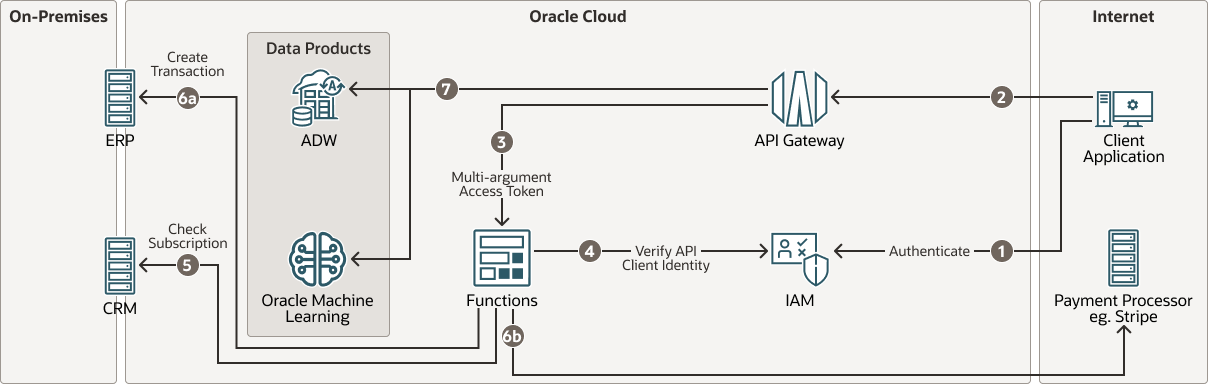
This layer handles authentication, encryption, and regulatory adherence. For financial institutions, middleware integrates applications and customer databases to support digital banking services while ensuring transaction processing remains secure and compliant with standards like PCI-DSS. The value proposition is risk reduction; clients pay to avoid breaches and regulatory fines.
Routing and orchestration
This layer directs traffic and transactions to the optimal destination. For example, payment middleware allows software to accept payments, sync with ERPs, and communicate with multiple payment gateways or point of sale systems. The value here is reliability and cost optimization, ensuring transactions succeed on the first attempt while minimizing processing fees.
Start by auditing your client's current infrastructure. Identify where data breaks, where security vulnerabilities exist, or where routing inefficiencies cause lost revenue. Build your middleware to solve that specific bottleneck. This targeted approach transforms your API middleware from a commodity utility into a critical business asset, justifying premium pricing.
Select the right API gateway pricing model
Choosing a pricing model for your API middleware is not just a billing decision; it is a product strategy. The model you select dictates how customers perceive value, how easily they scale with your service, and how much friction exists in the sales cycle. For middleware that handles transaction processing or data integration, the pricing structure must align with the actual usage patterns of your clients.
Three primary models dominate the market: volume-based, tiered, and value-based. Volume-based pricing charges per request or byte, which is transparent but can penalize heavy users. Tiered pricing offers fixed packages at different price points, simplifying budgeting for the buyer. Value-based pricing ties cost to the business outcome, such as revenue generated or errors prevented, which captures the most value but requires complex tracking.
To help you compare these options, the table below outlines the key differences in predictability, scalability, and customer friction.
Evaluate volume-based pricing
Volume-based pricing is the most common starting point for API middleware. You charge for each API call, megabyte of data processed, or minute of compute time. This model is fair for low-volume users and scales naturally as your customers grow. However, it can lead to "bill shock" for clients who experience sudden spikes in traffic, potentially causing churn if they feel penalized for their own success.
Consider tiered pricing
Tiered pricing groups usage into buckets (e.g., Basic, Pro, Enterprise). This model simplifies the sales process because customers know exactly what they will pay. It reduces administrative overhead for your finance team and provides a clear upgrade path. The downside is that it may leave money on the table if a customer’s usage falls just above a threshold, or it may be too expensive for small teams that only need a fraction of the tier’s capacity.
Explore value-based pricing
Value-based pricing is the most sophisticated approach. Instead of counting requests, you charge based on the business value delivered, such as a percentage of transaction volume or a fee per successful integration. This model aligns your incentives with your customers’ success. It is ideal for high-value middleware that directly impacts revenue or reduces significant operational costs. However, it requires robust instrumentation to prove value and often involves longer sales cycles due to the complexity of negotiation.
Align with your target customer
Your choice should reflect who you are selling to. Small startups often prefer volume-based or low-tier plans for their simplicity and low upfront cost. Large enterprises may prefer tiered or value-based models for budget predictability and negotiated contracts. Review industry standards from API design experts like Speakeasy to ensure your model doesn’t alienate developers or finance teams. The goal is to make the billing process invisible so customers focus on the utility your middleware provides.
Implement zero-trust security architecture
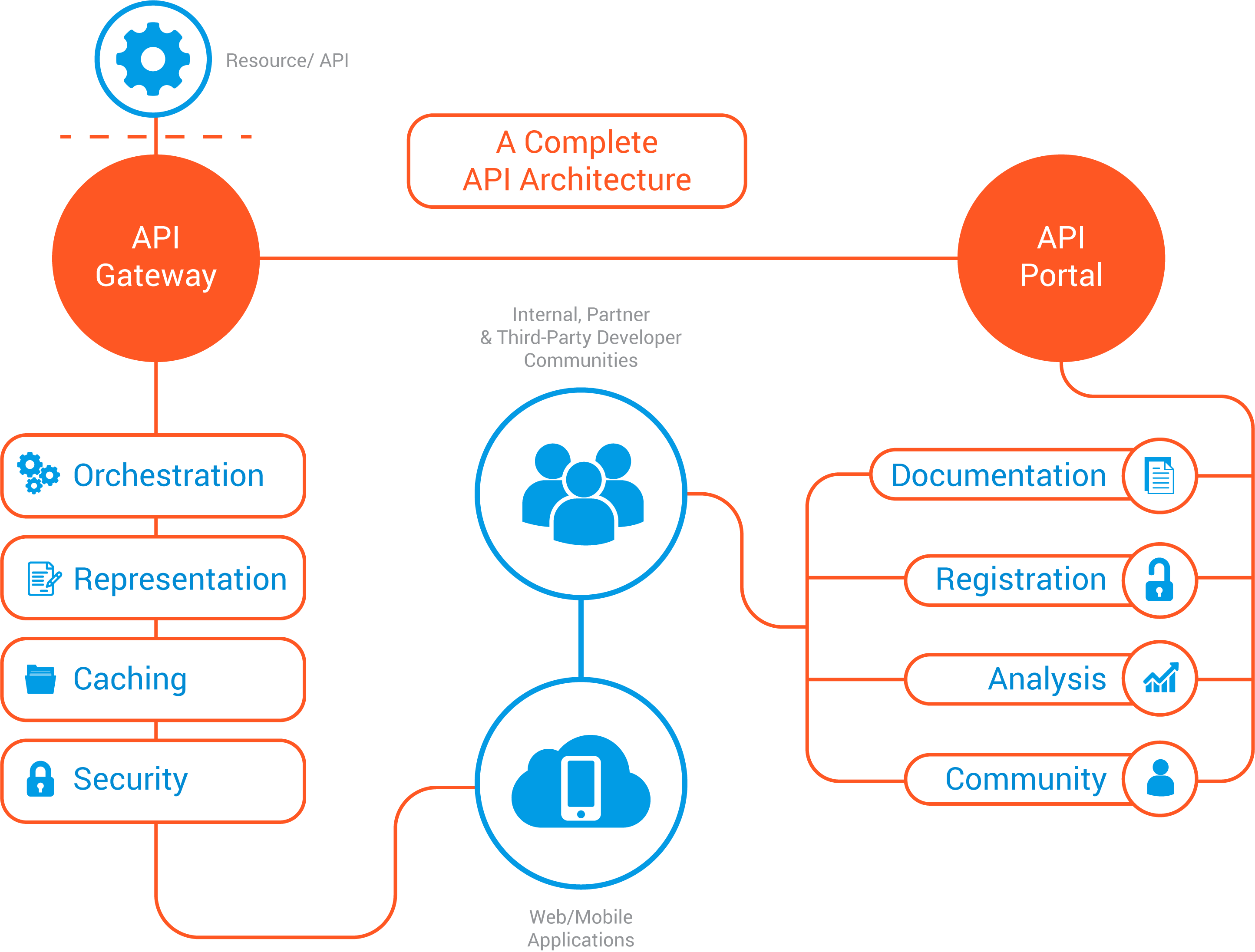
Enterprise buyers in 2026 will not pay for API middleware unless it guarantees data sovereignty and strict access control. A zero-trust architecture eliminates the implicit trust that legacy perimeters relied on, forcing every request to be authenticated and authorized. This security layer is not just a compliance checkbox; it is the primary justification for premium pricing tiers. By embedding these checks directly into your middleware pipeline, you transform security from a cost center into a revenue driver.
Follow these steps to integrate zero-trust principles into your middleware without compromising performance.
Map every API endpoint to specific user roles and data sensitivity levels. Avoid broad wildcard permissions. Instead, define granular policies that dictate who can access what data and under which conditions. This precision allows you to offer different security tiers to different customer segments, creating natural upsell opportunities.
Integrate a robust identity provider (IdP) into your middleware layer. Every incoming request must carry a valid, verifiable token (such as JWT or OIDC). Reject requests that lack proper credentials before they reach your backend services. This early rejection reduces load on your core infrastructure and ensures that only authenticated users consume your monetized resources.
Apply the principle of least privilege to data handling. Middleware should only expose the specific fields required for the requested action. If a user requests a list of transactions, do not return full account details unless explicitly authorized. This minimizes the blast radius of potential data leaks and aligns with strict enterprise compliance standards like GDPR and HIPAA.
Enable comprehensive logging for every authentication and authorization decision. Track failed login attempts, policy violations, and unusual access patterns. This visibility is critical for detecting breaches and for billing purposes, as you can correlate security events with API usage. Transparent logging also builds trust with enterprise clients who require audit trails for their own compliance reporting.
By treating security as a core feature of your middleware, you position your product as a critical infrastructure component rather than a simple utility. This approach justifies higher contract values and reduces churn, as enterprises become dependent on your secure, compliant data flow.
Optimize for edge computing infrastructure
Deploying your API middleware at the edge reduces latency and bandwidth costs, creating a competitive advantage that supports higher pricing tiers. By processing requests closer to the user, you minimize the distance data travels, which is critical for real-time monetization.
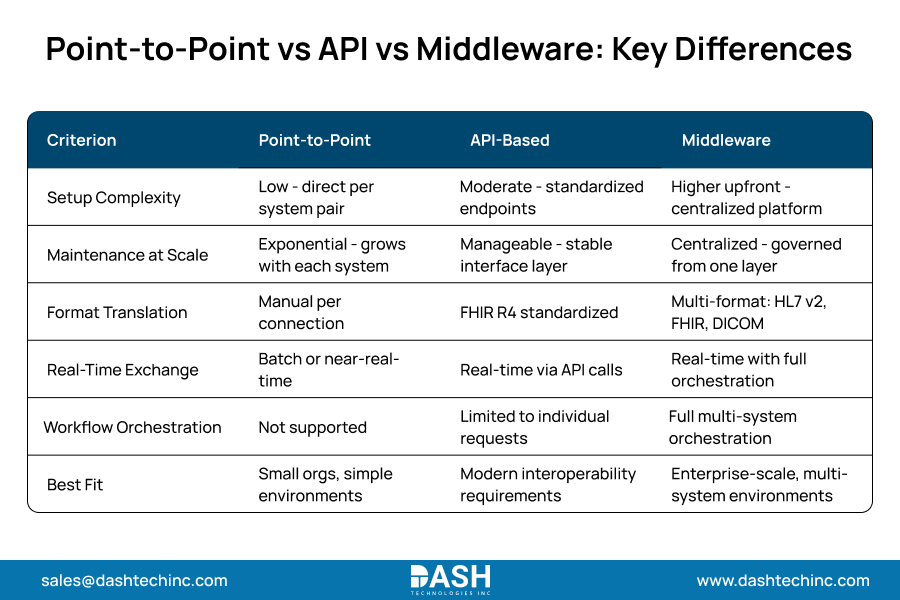
Choose an edge computing provider that offers global coverage in your primary user markets. AWS Lambda@Edge, Cloudflare Workers, or Vercel Edge Functions are common choices. Map your user demographics to specific regions to ensure low latency where your highest-value customers reside.
Refactor your middleware into lightweight, stateless functions. Remove heavy dependencies and database connections that require persistent connections. Ensure your code can cold-start quickly, as edge functions are often ephemeral and invoked on-demand.
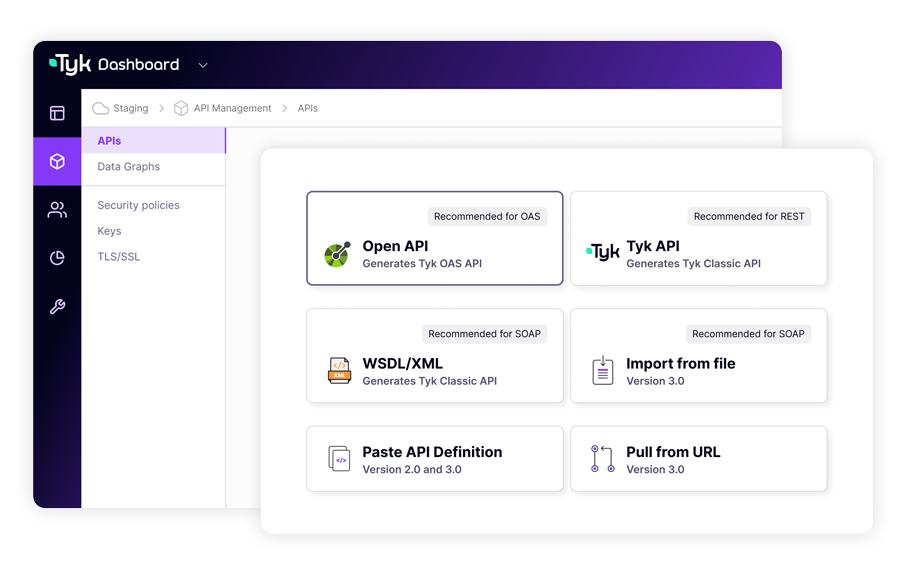
Configure cache headers to store frequent responses at the edge. This reduces origin server load and speeds up response times for repetitive requests. Use stale-while-revalidate patterns to serve cached data while updating it in the background, ensuring users always get a fast response.

Deploy your middleware to the edge nodes and monitor key metrics like latency, error rates, and cache hit ratios. Use observability tools to track performance across different regions. Adjust caching TTLs and function configurations based on real-world usage data to optimize cost and speed.
This approach not only improves user experience but also reduces your infrastructure costs by offloading processing from central servers. As noted by Cybage, a cost-optimized AWS-powered middleware platform can accelerate programmatic monetization by handling scalable, secure requests efficiently. This efficiency allows you to offer more competitive pricing tiers while maintaining healthy margins.
Key Takeaways
Validate revenue streams with pilot programs
Before committing to a full-scale launch, test your API middleware monetization model with a small, controlled cohort. This approach isolates variables, allowing you to measure willingness to pay without exposing your entire user base to pricing friction.
Start by defining clear success metrics for the pilot, such as conversion rates from free to paid tiers or average revenue per user (ARPU). Select a segment of users who are already engaged with your middleware’s core functionality but have not yet committed financially. Offer them early access to premium features or tiered pricing in exchange for detailed feedback.
Monitor usage patterns closely during this phase. Are users hitting rate limits that justify a higher tier? Do they value specific endpoints more than others? Use this data to refine your pricing structure and feature set. If the pilot shows low conversion or high churn, adjust your value proposition before scaling.
Use this pre-launch checklist to ensure your pilot is set up for accurate data collection:
-
Define clear KPIs (conversion rate, ARPU, churn)
-
Select a representative user cohort
-
Implement tracking for usage and payment events
-
Set up feedback channels for pilot participants
-
Establish a timeline for pilot evaluation and iteration
Frequently asked questions about middleware monetization
Understanding the core mechanics of middleware helps clarify how it generates revenue. Below are common questions about what middleware is and when to use it.
No comments yet. Be the first to share your thoughts!