
Why middleware monetization matters now
For years, middleware was treated as a cost center—a necessary overhead for connecting disparate systems. That dynamic is shifting. As AI agents require robust infrastructure to communicate, middleware is evolving into a primary revenue stream rather than just an integration layer.
The driver is clear: AI agents need reliable pathways to execute tasks. This demand creates opportunities to charge for access, usage, or performance guarantees. Companies that treat middleware as a standalone product can capture value that was previously lost to internal maintenance costs.
Achieving maximum ROI requires a strategic pivot. It is not enough to build connections; you must monetize the reliability and speed those connections provide. This section outlines how to position middleware for direct revenue generation in 2026.
Usage-based API pricing models
Usage-based pricing charges customers for what they actually consume, aligning costs directly with value. For middleware monetization, this means billing per API request or per unit of data processed. This model works best for high-traffic middleware that acts as a bridge between applications, where usage scales with business growth.
AWS defines middleware as software that allows different applications to communicate intelligently. When you monetize this layer, you are essentially charging for the connectivity and processing power that keeps those applications running. A payment middleware, for instance, might handle transactions between a point-of-sale system and multiple payment gateways. Each transaction processed represents a discrete unit of value.
This approach lowers the barrier to entry. Small developers can start with minimal costs and scale their spending as their user base grows. It removes the friction of negotiating fixed contracts for every new integration. As your middleware becomes more embedded in their stack, the cost per transaction often becomes negligible compared to the revenue it helps generate.
Tiered subscription structures
Feature-gated tiers allow you to capture different segments of the B2B market by aligning middleware capabilities with specific business needs. A Basic tier serves small teams or low-volume integrations, while Pro and Enterprise levels unlock advanced security, higher throughput, and dedicated support. This structure ensures that customers pay only for the functionality they require, reducing friction for initial adoption while providing a clear path to higher revenue as usage scales.
The following table outlines a standard middleware monetization framework. These tiers reflect common industry practices for balancing feature access with price points.
| Tier | Core Features | Support Level | Price Point |
|---|---|---|---|
| Basic | Standard API access, 10k requests/month, community forums | Community forums | $0 - $99/mo |
| Pro | Advanced connectors, 100k requests/month, SLA guarantees | Email & chat | $299 - $999/mo |
| Enterprise | Unlimited requests, custom integrations, SSO, dedicated account manager | 24/7 phone & on-site | Custom pricing |
As your middleware platform matures, the value of these tiers shifts. Basic users often upgrade when they hit volume limits or require better uptime guarantees. Enterprise clients prioritize security compliance and custom development, which justifies higher price points and dedicated resources. By clearly defining the boundaries between tiers, you create predictable revenue streams while minimizing churn from customers who outgrow their initial plan.
AI agent infrastructure fees
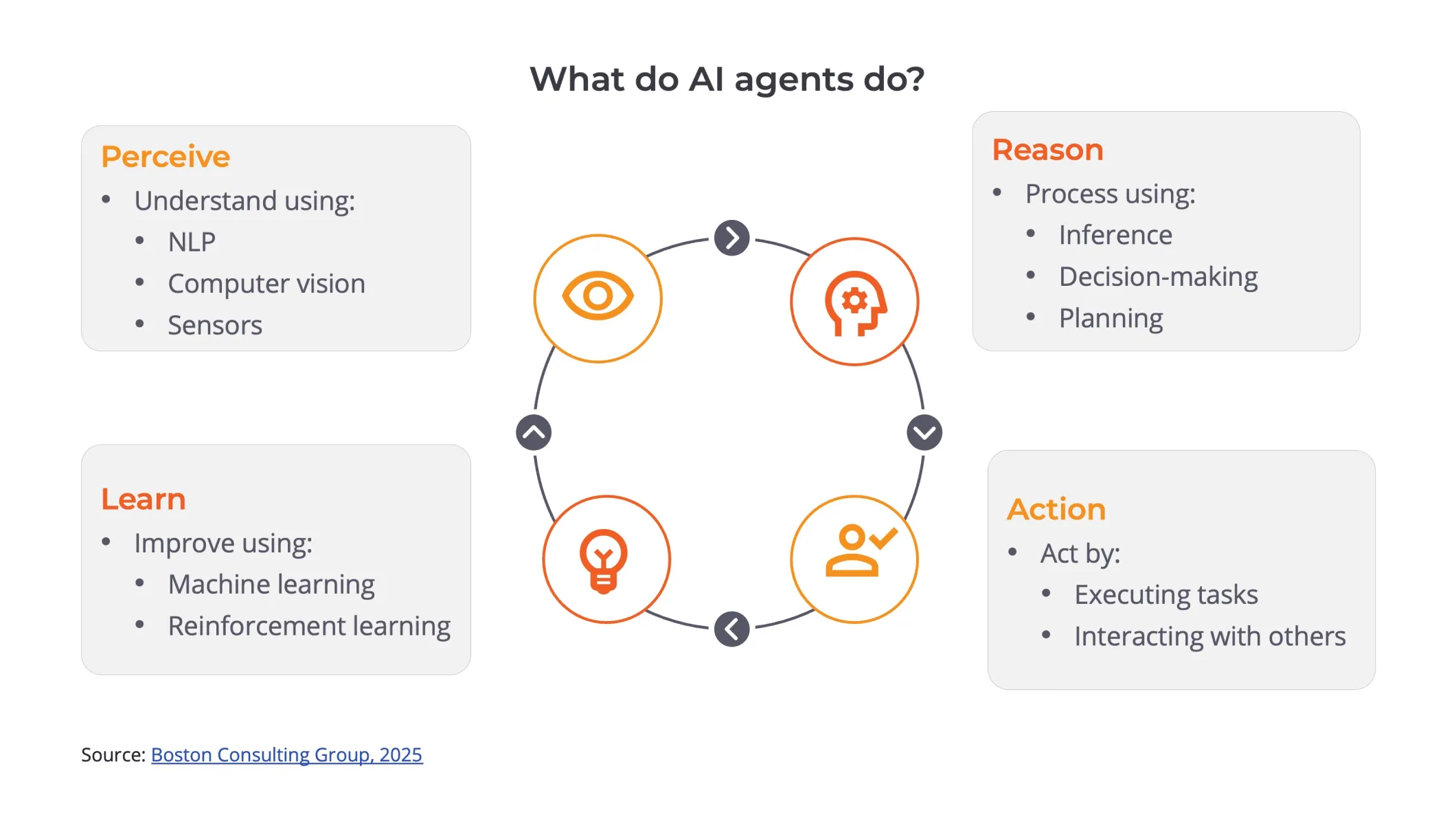
The rise of autonomous AI agents is creating a new layer of middleware monetization. As businesses deploy software that can reason, plan, and execute tasks without human intervention, they require robust infrastructure to route requests, orchestrate workflows, and process data securely. This shift moves middleware from a passive connector to an active revenue center.
Charging for agent infrastructure typically follows three models. First, providers can charge for routing, where the middleware intelligently directs agent queries to the most appropriate large language model or specialized tool. Second, orchestration fees apply to the complex state management required to keep multi-step agent tasks coherent and reliable. Third, data processing charges cover the cost of cleaning, verifying, and storing the structured data that agents need to make accurate decisions.
This model is already gaining traction. Bootstrapped AI operationalization platforms like Middleware have demonstrated that specialized infrastructure for AI workloads can generate significant annual recurring revenue, reaching $5.5 million ARR by focusing on the specific needs of machine learning deployment. This suggests that as the market matures, dedicated agent infrastructure will become a standard line item in enterprise software budgets.
To estimate potential revenue from this model, consider the volume of agent interactions and the complexity of the orchestration required.
Calculate your middleware revenue potential
Estimating your annual recurring revenue (ARR) requires looking beyond just traffic. You need to model how your middleware handles volume, converts users, and retains them over time. Bootstrapped platforms like Middleware.io have shown that steady, predictable growth is possible when you align your pricing with actual usage patterns.
Use the calculator below to project your baseline. It factors in monthly API calls, average revenue per user, and a standard churn rate to give you a realistic view of your financial runway.
Common middleware monetization: what to check next
Understanding how middleware functions and generates revenue helps businesses evaluate their options for 2026. These answers address frequent queries about payment infrastructure and monetization strategies.
No comments yet. Be the first to share your thoughts!