
Define your API value tiers
Segmenting your middleware into clear value tiers transforms abstract governance into a structured pricing model. This segmentation allows you to capture value from different user segments without over-engineering the free tier or undercharging enterprise clients. The goal is to create distinct boundaries between tiers based on usage limits and feature gating.
1. Establish the free tier
The free tier serves as the acquisition channel. It should include basic access to your middleware capabilities but with strict usage limits. This is not about providing full functionality; it is about lowering the barrier to entry. Define a monthly request cap or a daily rate limit that encourages experimentation but prevents abuse. This tier acts as a funnel, allowing users to experience the core value before encountering friction.
2. Structure the standard tier
The standard tier targets individual developers and small teams who need more reliability and volume. Increase the request limits significantly and unlock essential features such as advanced logging, custom error handling, or higher rate limits. This tier should be priced to cover your infrastructure costs while generating modest profit. It is the workhorse of your monetization strategy, converting the most active free users.
3. Design the enterprise tier
The enterprise tier is for organizations requiring SLAs, dedicated support, and custom integrations. Here, you move beyond automated limits to negotiated contracts. Include features like single sign-on (SSO), audit logs, and priority support. Pricing is often custom, but the value lies in risk reduction and operational efficiency for the client. This tier provides the highest margin and stabilizes your revenue stream.
4. Align tiers with middleware capabilities
Ensure each tier maps directly to a specific middleware capability. For example, the free tier might use a basic caching layer, while the enterprise tier accesses a dedicated, high-performance cache. This alignment makes the upgrade path logical. Users upgrade not just for more requests, but for better performance and control. This clarity reduces churn and increases the lifetime value of each customer.
Choose between subscription and usage models
Selecting the right middleware monetization model depends on whether your customers value budget predictability or pay-per-use flexibility. Subscription models charge a flat fee for access, while usage-based models charge based on actual consumption. Your choice should align with your middleware’s predictability and your customer base’s spending habits.
Compare subscription and usage-based pricing
The table below contrasts the two primary revenue models across key operational dimensions.
| Feature | Subscription | Usage-Based |
|---|---|---|
| Revenue Predictability | High. Fixed monthly recurring revenue (MRR). | Low. Revenue fluctuates with customer activity. |
| Billing Complexity | Low. Simple flat-rate or tiered fees. | High. Requires precise metering and aggregation. |
| Customer Fit | Best for stable, predictable workloads. | Best for variable or bursty workloads. |
| Scaling Friction | Low. No technical changes as usage grows. | High. Must handle scaling billing logic. |
Evaluate predictability needs
Subscription models offer high revenue predictability, making them ideal for businesses that need stable cash flow. Customers prefer this model when they can forecast costs accurately. Usage-based models, however, introduce revenue variability. This approach suits customers with fluctuating workloads, as they only pay for what they consume.
Assess billing complexity
Subscription billing is simpler to implement. You can charge a flat fee or use tiered pricing with minimal technical overhead. Usage-based billing requires robust metering infrastructure to track API calls, data volume, or compute time. This complexity increases development costs and the risk of billing errors.
Match your customer base
Consider your customers’ workload patterns. If they have steady, predictable usage, a subscription model reduces friction. If their usage is sporadic or bursty, usage-based pricing aligns costs with value, making it easier for them to justify spending.
Integrate billing into the gateway
Connecting your API gateway to a payment processor transforms governance into revenue. Instead of building a separate billing service, you embed monetization logic directly into the middleware layer. This approach ensures that every API call is evaluated against subscription status before it reaches your backend.
The workflow requires three core actions: configuring the payment provider, defining monetization rules in the gateway, and handling the billing callback. Each step must be tested to prevent revenue leakage or service disruption.
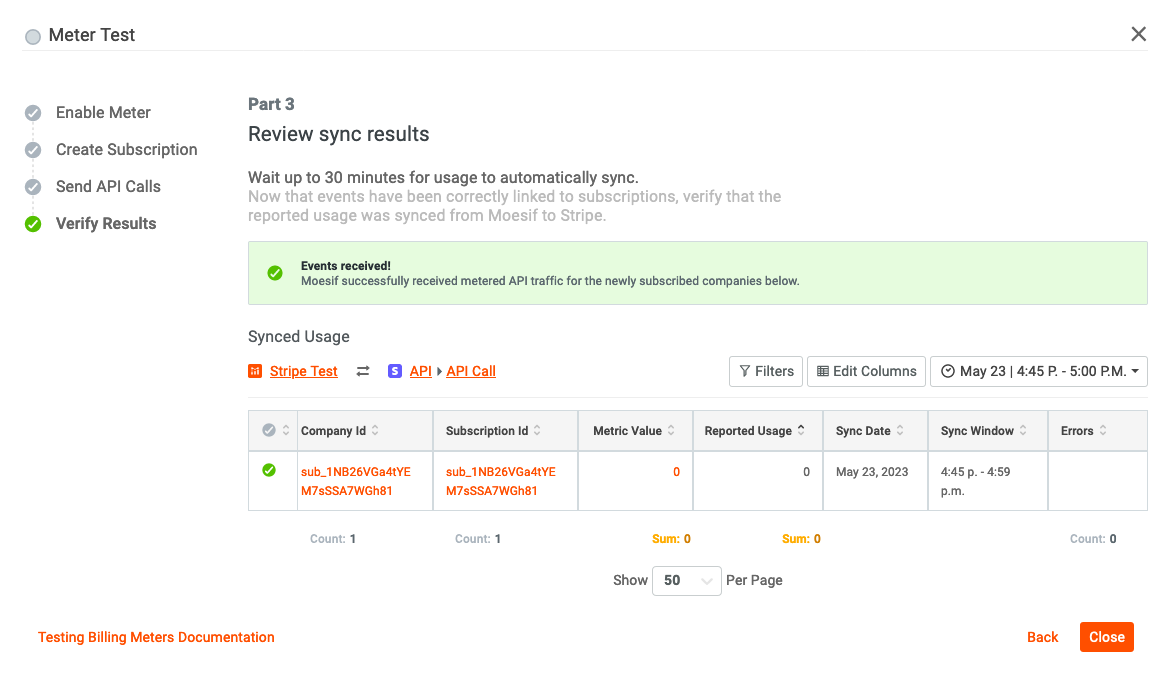
Set up your Stripe or similar account to support metered billing or subscription tiers. Create the necessary API keys and webhook endpoints. The gateway needs these credentials to validate transactions in real time. Ensure your provider supports the specific pricing model you plan to enforce, such as per-call or tiered access.
Write the middleware logic that intercepts incoming API requests. This code must check the user's subscription status against the payment provider's data. If the user is over their limit or their payment has failed, the gateway should return a 402 Payment Required error. Cache the subscription status to avoid hitting the payment provider for every single request, which keeps latency low.
Configure your gateway to listen for webhooks from the payment processor. When a user upgrades, downgrades, or cancels their plan, the payment provider sends a signal. Your middleware must update the local cache or database immediately to reflect these changes. This ensures that access rights are granted or revoked without delay, maintaining accurate billing alignment.
Avoid common middleware pricing mistakes
Middleware monetization fails when pricing structures obscure value or ignore the cost of delivery. Over-gating essential features and underestimating infrastructure expenses are the most frequent errors. These pitfalls erode margins and drive customers to competitors with transparent, usage-based models.
Over-gating essential features
Many organizations treat middleware as a premium add-on, locking basic connectivity or security features behind high-tier licenses. This approach creates friction for developers who need seamless integration to test and deploy applications. When core functionality is restricted, adoption stalls, and the total addressable market shrinks significantly.
Instead, offer a functional free tier or low-cost entry point that includes essential API calls and standard security protocols. This strategy lowers the barrier to entry, allowing teams to experience the middleware’s value before committing to enterprise-scale contracts. Transparent feature mapping builds trust and accelerates the sales cycle.
Ignoring hidden infrastructure costs
Middleware often runs on shared or dedicated infrastructure that scales with transaction volume. Pricing models that fail to account for compute, storage, and network egress costs can turn profitable deals into loss leaders. As usage grows, these hidden expenses accumulate, eroding the gross margin promised in the initial contract.
Conduct a thorough cost-of-goods-sold (COGS) analysis for every pricing tier. Include variable costs such as API gateway fees, database read/write operations, and support overhead. Use this data to set prices that cover infrastructure costs while maintaining a healthy margin. Regularly review these costs as your middleware architecture evolves to prevent margin erosion.
Misaligned value metrics
Pricing based on arbitrary metrics like "seats" or "static licenses" often misaligns with how middleware is actually consumed. Users may pay for unused capacity while heavy users exceed their limits, leading to churn or unexpected overage charges. Align pricing with value drivers such as transaction volume, data throughput, or API calls.
Adopt usage-based pricing that scales with customer success. This model ensures that customers pay for what they use, making costs predictable and fair. It also encourages deeper integration, as customers are incentivized to maximize the middleware’s capabilities to justify their spend.
Verify revenue tracking accuracy
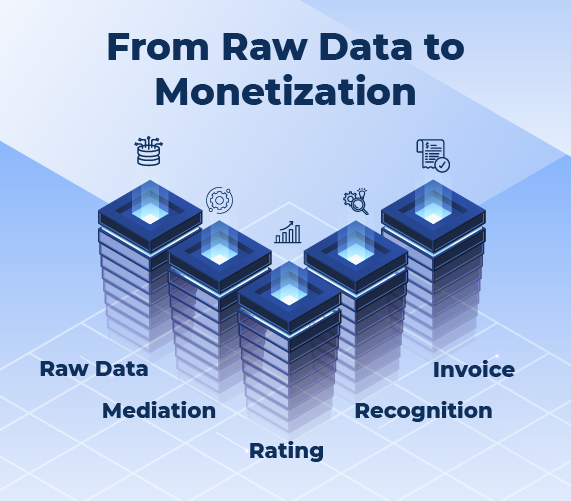
Before scaling your middleware monetization strategy, you must confirm that every usage event maps to a financial record. A disconnect between telemetry and billing creates revenue leakage that compounds silently. Treat this verification phase as the final gate before public launch.
1. Reconcile usage logs with billing invoices
Cross-reference your raw usage data against the charges generated by your billing provider. Identify discrepancies where usage occurred but no invoice was created, or where invoices exceed recorded consumption. This audit reveals integration gaps in your event pipeline.
2. Validate tier thresholds and proration logic
Test edge cases at tier boundaries. If a user consumes 99% of a tier’s limit in one day, does the system correctly prorate the overage? Ensure your middleware calculates costs based on the same logic as your billing engine. Mismatches here cause customer disputes and support overhead.
3. Audit access control permissions
Revenue tracking is useless if unauthorized users consume resources. Verify that your middleware enforces strict access controls. Ensure that only authenticated, paying entities can trigger billable events. Unrestricted access creates phantom usage that drains margins without generating revenue.
4. Confirm real-time reporting latency
Check how quickly usage data reflects in your dashboard. High latency delays detection of anomalies. If your reporting lags by hours, you miss the window to intervene during active abuse or technical errors. Aim for sub-minute updates for critical billing events.
5. Document the reconciliation workflow
Create a repeatable process for monthly revenue audits. Define who checks the data, which tools they use, and the threshold for acceptable variance. Documenting this workflow ensures consistency as your team grows and your middleware scales.
Frequently asked questions about API monetization
How do I handle billing and subscriptions with middleware?
You can build the billing logic directly into your middleware, acting as a bridge between your API and a payment processor like Stripe. This approach requires you to write code that caches the user’s subscription status to avoid hitting your payment provider with every single API request. Alternatively, you can use a dedicated API monetization platform that handles the billing infrastructure, allowing you to focus on the API logic itself.
Is API monetization viable for small teams?
Yes, but it requires careful architectural choices. Building a custom monetization layer in-house demands significant engineering time for secure payment handling, usage tracking, and fraud prevention. For smaller teams, leveraging managed middleware solutions or specialized API gateways often provides a faster path to revenue by offloading the complex billing infrastructure to experts.
What are the common pitfalls in API pricing models?
The biggest mistake is setting a flat fee that doesn’t reflect actual usage costs. If you charge a fixed monthly rate regardless of volume, heavy users may drive up your infrastructure costs, eroding your margins. Successful middleware monetization aligns pricing tiers with usage metrics like requests per second or data throughput, ensuring that revenue scales efficiently with the load your infrastructure handles.
No comments yet. Be the first to share your thoughts!