
Set up the payment gateway
To monetize middleware for AI agents, you must first establish a payment protocol that allows autonomous agents to pay per request without manual intervention. This infrastructure replaces traditional billing systems with automated, machine-to-machine transactions. The goal is to enable your middleware to accept payment and release the AI service in a single, seamless step.
Choose a payment protocol
The foundation of agent monetization is selecting a protocol that supports machine-readable invoices and automated settlement. Two primary options have emerged for 2026: the x402 protocol and the Agent Transaction Protocol (ATP).
x402 (Coinbase) x402 is a payment protocol that integrates directly into HTTP requests. It allows agents to pay in stablecoins like USDC by attaching a payment signature to the request headers. This approach is particularly effective for Express and Next.js applications, where middleware can intercept requests, verify the payment signature, and forward the request only after funds are secured. It eliminates the need for complex merchant accounts or subscription management platforms.
ATP (Agent Transaction Protocol) ATP is designed specifically for agentic workflows. It focuses on dynamic pricing and flexible settlement terms, making it suitable for complex multi-step agent tasks. ATP middleware can be added to FastAPI or similar frameworks to handle pricing adjustments based on computational cost or usage volume. This protocol is ideal if your agents need to negotiate prices or handle variable-cost operations.
Implement middleware integration
Once you have selected a protocol, the next step is to integrate the payment layer into your API. This involves creating a middleware function that sits between the incoming request and your AI model execution logic.
- Install the SDK: Add the official SDK for your chosen protocol (e.g.,
@coinbase/x402or the ATP client library) to your project dependencies. - Create the middleware: Write a function that intercepts incoming API calls. This function should extract payment credentials or signatures from the request headers.
- Verify and process: The middleware must verify the payment validity with the blockchain or payment processor. If the payment is successful, the middleware forwards the request to your AI model. If it fails, the middleware returns a 402 Payment Required error.
- Handle errors: Implement robust error handling for failed transactions, network timeouts, or insufficient funds. Log these events for auditing and debugging purposes.
This setup ensures that your middleware acts as a gatekeeper, only allowing paid requests to proceed. By automating this process, you enable your AI agents to operate autonomously, paying for each inference or task completion without human oversight.
Add the official SDK for your chosen protocol (e.g., x402 or ATP) to your project. This provides the necessary functions to create and verify payment signatures.
Write a middleware function that intercepts incoming API requests. This function extracts payment credentials from headers and prepares them for verification.
The middleware verifies the payment with the blockchain or processor. If valid, it forwards the request to your AI model; otherwise, it returns a 402 error.
Add robust error handling for failed transactions, network issues, or insufficient funds. Log these events for auditing and debugging.
Configure usage-based billing rules
Middleware acts as the billing engine for agentic workflows. By intercepting calls before they reach the final model, you can calculate costs based on actual resource consumption rather than flat subscriptions. This approach prevents revenue leakage when autonomous agents scale up operations unexpectedly.
Set dynamic pricing tiers
Dynamic pricing adjusts rates based on compute intensity or data volume. Simple text completions might cost fractions of a cent, while complex reasoning chains requiring multiple steps or large context windows should carry a premium. This ensures you are compensated for the actual computational load your infrastructure handles.
Implement per-call cost tracking
To support dynamic pricing, your middleware must track specific metrics for every API call. Log the number of tokens processed, the latency of the response, and the complexity of the agent's decision tree. This granular data allows you to refine pricing models as your agent ecosystem matures.
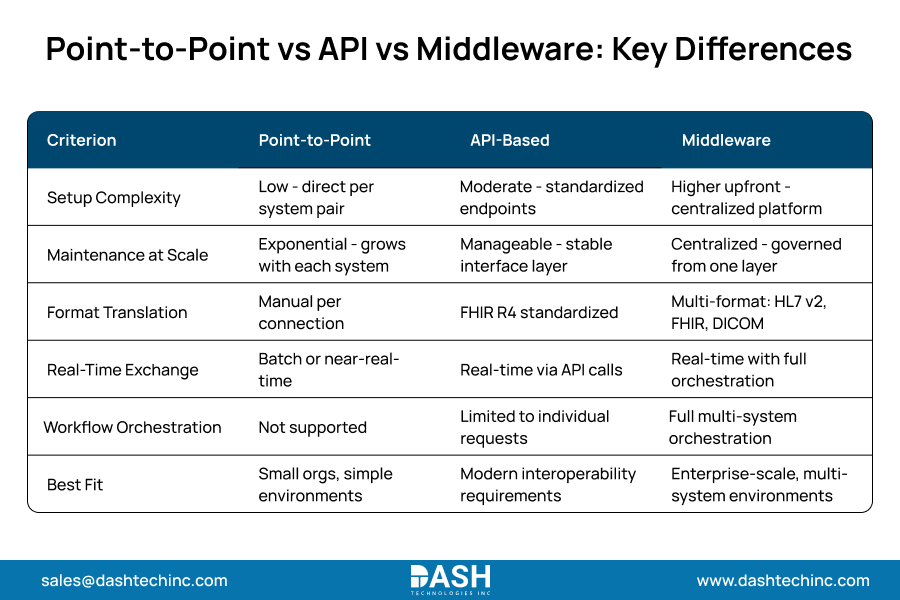
Automate billing aggregation
Manual invoice generation does not scale with agentic workloads. Integrate your middleware with billing platforms like Stripe or Lemon Squeezy to automate chargebacks and credit allocations. When an agent completes a task, the middleware should immediately push the calculated cost to the billing provider, ensuring transparent and accurate invoicing.
Monitor and adjust rates
Review your billing data monthly to identify trends. If certain types of agent workflows consistently consume more resources than predicted, adjust the pricing multipliers for those specific tasks. Continuous adjustment keeps your pricing competitive while maintaining healthy margins.
Verify Agent Identity
Before processing any billing event, you must confirm that the request originates from a legitimate autonomous agent. Without this verification, your middleware risks being exploited by human operators or spoofed scripts, which breaks the unit economics of your monetization model. Treat every incoming API call as untrusted until proven otherwise.
Issue Unique Credentials
Assign each agent a distinct identity credential, such as an API key or a signed JWT (JSON Web Token). These credentials should be issued only after the agent passes your onboarding verification. Store these secrets securely on the agent side and never hardcode them in client-side applications or public repositories. This step creates the foundational link between a specific agent and its billing account.
Validate the Signature
Middleware must validate the cryptographic signature attached to each request. If you use JWTs, verify the token’s expiration, issuer, and signature against your public key. For API keys, ensure they are transmitted via HTTPS headers and checked against your database of active, authorized agents. Reject any request with an expired token, invalid signature, or missing authentication header immediately. This prevents replay attacks where a stolen credential is reused by an unauthorized actor.
Implement Rate Limiting per Identity
Even with valid credentials, you must monitor behavior. Apply rate limits based on the verified agent identity. If an agent exceeds its allocated request volume, throttle or block it. This protects your infrastructure from abuse and ensures that billing reflects actual usage. Log these events for audit trails, allowing you to detect anomalous patterns that might indicate a compromised identity.
Handle failed payments and retries
Autonomous agents operate without human oversight, meaning a failed transaction halts the entire workflow. When an agent’s wallet lacks funds or a network congestion error occurs, the middleware must automatically manage the retry logic rather than letting the request fail silently. This section outlines the standard fallback sequence for high-stakes AI agent transactions.
Autonomous agents cannot manually resolve payment errors; automation must handle retries.
1. Implement Exponential Backoff
Do not retry a failed payment immediately. A network glitch is often temporary, but aggressive retries can trigger rate limits or worsen congestion. Implement exponential backoff, where the delay between retries increases geometrically (e.g., 1s, 2s, 4s, 8s). This gives the blockchain or payment processor time to clear the backlog while preserving the agent’s computational resources.
2. Define Maximum Retry Limits
Infinite retry loops are a common cause of resource exhaustion and unexpected bill spikes. Set a hard cap on the number of retry attempts—typically three to five—before the middleware marks the transaction as permanently failed. Once this limit is reached, the agent should abort the current task and log the error for human review or alternative resolution paths.
3. Switch to Fallback Payment Methods
If the primary wallet fails repeatedly, the middleware should trigger a fallback mechanism. This might involve switching to a different stablecoin, using a secondary funding source, or falling back to a cached API key if the payment protocol supports hybrid authentication. Protocols like x402 allow for flexible payment handling, enabling agents to adapt to liquidity constraints without breaking the service contract [src-serp-2].
4. Log and Alert on Persistent Failure
Every failed payment attempt must be logged with the error code, transaction hash, and retry count. If the failure persists beyond the retry limit, trigger an alert to the system administrator. This ensures that you are notified of systemic issues, such as wallet depletion or smart contract bugs, before they impact a larger volume of users.
Monitor revenue and API health
Treating middleware as a product means watching the metrics that determine if it stays profitable. You need to track API latency, error rates, and actual revenue per request to ensure the system scales without bleeding margin. The goal is to maintain a stable, secure, and revenue-generating API as agent traffic increases.
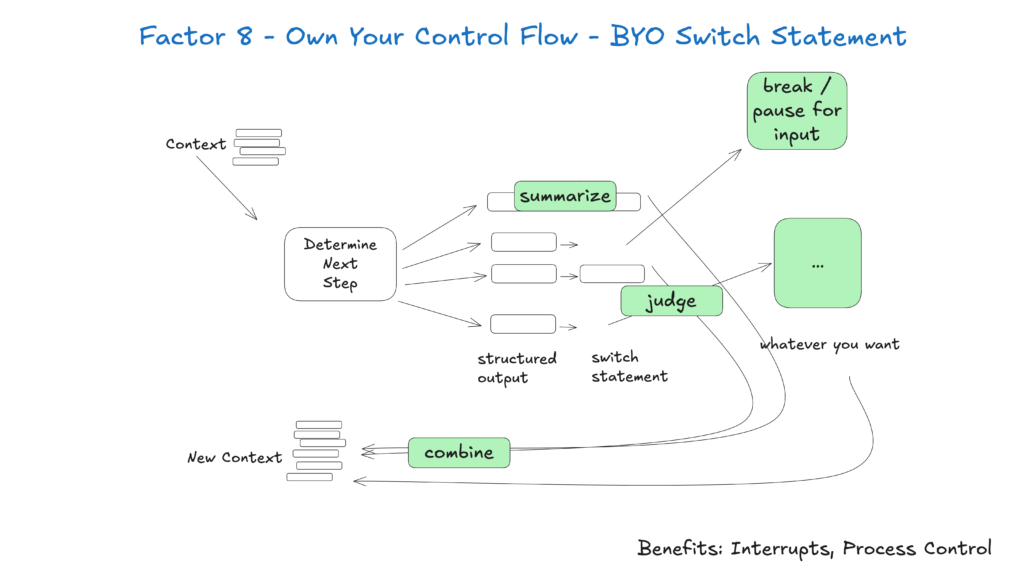
Post-Deployment Checklist
-
Set up real-time dashboards: Monitor latency and error rates to catch bottlenecks before they impact agent performance.
-
Track cost-per-token: Ensure your margin holds as token volume scales; adjust pricing tiers if costs outpace revenue.
-
Audit security logs: Regularly check for unusual traffic patterns that could indicate abuse or unauthorized access.
-
Review API documentation: Keep guides updated so developers can integrate smoothly without excessive support overhead.
Common questions about agent billing
Implementing middleware for AI agents requires handling payment failures and protocol selection carefully. The following section addresses the most frequent technical and compliance hurdles developers encounter when moving from prototype to production.
No comments yet. Be the first to share your thoughts!