
Define your middleware value proposition
Middleware monetization starts by identifying a specific, expensive integration problem rather than building a generic data pipe. If your platform simply moves data between systems, it is easily replaced by open-source libraries or direct API connections. To justify a subscription or transaction fee, you must solve a complex coordination task that internal engineering teams find too costly or risky to build themselves.
Start by mapping the friction points in your target vertical. In payment processing, for example, middleware acts as the unseen layer that allows software to accept payments, sync with ERPs, and communicate with multiple payment gateways simultaneously. Without this abstraction, a merchant must maintain separate integrations for every gateway, creating a maintenance burden that grows with every new provider added. Your value proposition should focus on reducing this integration complexity, not just moving data.
Validate this problem against existing infrastructure costs. In ad tech, middleware connects advertisers and publishers, automates ad serving, and improves targeting accuracy. If your platform can consolidate these fragmented connections into a single, reliable interface, you are selling reliability and speed, not just connectivity. Define your niche clearly: are you aggregating data for analytics, routing transactions for payments, or synchronizing user identities across SaaS tools? The narrower your focus, the easier it is to price the solution.
Select an API Gateway and Pricing Model
Choosing the right infrastructure for middleware monetization starts with aligning your technical gateway with a revenue model. The gateway must support the specific data points your pricing strategy requires, whether that is simple request counts or complex usage metrics.
Speakeasy outlines a practical sequence for integrating monetization logic directly into your API design. First, add entitlement checks as middleware to verify user permissions before processing. Second, set up metering as asynchronous events or logs to capture usage data without blocking the main request path. Finally, centralize your pricing logic to ensure consistency across all endpoints. This approach keeps your core business logic clean while ensuring accurate billing.
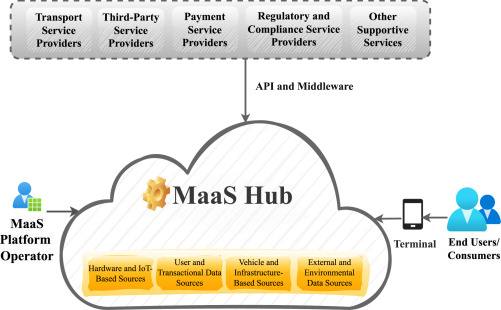
Compare Pricing Models
Different middleware services require different billing structures. Use the table below to compare the three most common models for middleware monetization.
| Model | Best For | Implementation Complexity |
|---|---|---|
| Flat Fee | Stable, predictable workloads | Low |
| Tiered | Growing businesses with varying needs | Medium |
| Usage-Based | Variable, high-volume traffic | High |
Implement entitlement and metering checks
Accurate billing requires strict enforcement of access rights and precise usage tracking. Without these checks, middleware monetization fails because you cannot prove who consumed what and whether they were authorized to do so.
Intercept every incoming request before it reaches your core business logic. Configure your middleware to validate the caller's identity and verify their specific permissions against your entitlement database. This ensures that only authorized users can access specific endpoints or features, preventing unauthorized consumption of resources.
Capture usage data without blocking the main request flow. Instead of synchronously calculating costs during the request, emit asynchronous events or write detailed logs for each action. This approach maintains low latency for your users while ensuring that every transaction is recorded for later processing and billing.
Store all pricing rules, tiers, and discounts in a single, centralized configuration source. This allows you to update monetization strategies for your middleware monetization platform without redeploying the core application code. Centralization reduces errors and ensures that billing calculations remain consistent across all service endpoints.
By separating access control from usage tracking, you create a resilient billing infrastructure. This structure supports high-stakes financial data by ensuring that every billable event is both authorized and accurately recorded.
Structure your SaaS revenue streams
The most stable middleware monetization models combine a base API usage fee with tiered value-added services. This hybrid approach stabilizes recurring revenue while increasing lifetime value (LTV) through upsells. You are not just selling connectivity; you are selling reliability and visibility.
1. Implement tiered API pricing
Start with a predictable usage-based model. Charge per API call or per gigabyte of data processed. This ensures that high-volume clients pay proportionally for the infrastructure they consume. It prevents revenue leakage from heavy users while keeping entry costs low for startups.
2. Bundle premium support and SLAs
Offer Service Level Agreements (SLAs) as a paid add-on. Enterprise clients will pay a premium for guaranteed uptime and dedicated technical support. This transforms support from a cost center into a profit center. It also reduces churn by locking in long-term contracts with clear performance metrics.
3. Add analytics and monitoring dashboards
Provide real-time usage analytics and performance monitoring as a value-added service. Clients need visibility into their data flows to optimize their own operations. By offering these insights, you increase the stickiness of your platform. Users are less likely to switch providers when they rely on your dashboard for their operational intelligence.
-
Configure usage metering and billing thresholds
-
Define SLA tiers and support response times
-
Build client-facing analytics dashboard
-
Review legal terms for data liability and uptime guarantees
No comments yet. Be the first to share your thoughts!