
Pick the right pricing model
Choosing a pricing model for API middleware depends on how your customers consume value. The three foundational approaches are usage-based, subscription, and hybrid. Each model aligns with different customer expectations and internal margin goals.
Usage-based pricing charges customers per API call, per GB of data, or per active user. This model scales with the customer's success, making it ideal for high-growth startups or services with variable demand. However, it can create billing uncertainty for enterprise buyers who prefer fixed operational costs.
Subscription pricing offers a flat monthly or annual fee for unlimited or capped access. This model provides predictable revenue for your business and predictable costs for the customer. It works best for stable, predictable workloads where the marginal cost of additional usage is low.
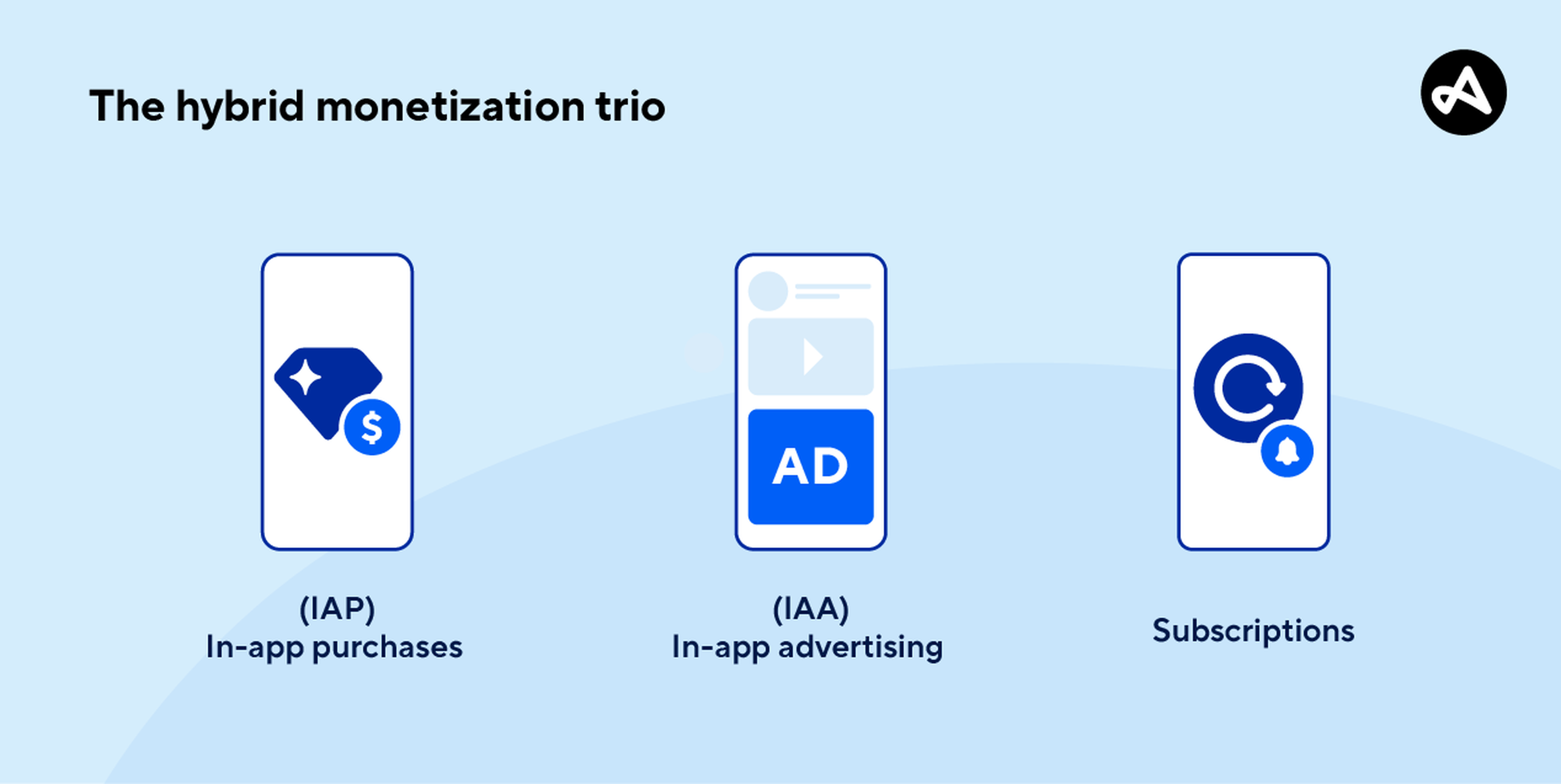
Hybrid models combine a base subscription fee with overage charges for usage beyond the included tier. This approach balances revenue stability with the flexibility to capture value from power users. It is increasingly common in 2026 as middleware providers seek to reduce churn while maintaining margin potential.
To decide, compare these models against your middleware's value proposition and your target customer's budgeting cycles.
| Model | Cost Predictability | Margin Potential | Customer Friction |
|---|---|---|---|
| Usage-Based | Low | High (scales with usage) | High (billing surprises) |
| Subscription | High | Medium (fixed cost) | Low (easy to buy) |
| Hybrid | Medium | High (base + overage) | Medium (complex tiers) |
Structure your tiered access levels
Tiered pricing segments your developer audience by willingness to pay and usage volume. By offering a free tier, you lower the barrier to entry for individual developers, while higher tiers capture the value of teams and enterprises. This structure prevents cannibalizing high-value contracts by clearly delineating features and limits at each step.
Start by defining the "free" tier as a product sampling tool. It should include core API access but impose strict rate limits or restrict advanced features like analytics and priority support. The goal is to get developers hooked on the utility without giving away the infrastructure costs that scale with volume.
Next, design a "Pro" tier for small teams or power users. This level should remove basic rate limits and add collaborative features, such as team dashboards or shared API keys. Price this tier to cover the marginal cost of additional compute while providing a clear upgrade path from the free tier.
Finally, structure your "Enterprise" tier around SLAs, security, and volume. This is where you capture the bulk of your revenue. Offer dedicated support, custom rate limits, and compliance certifications like SOC 2. Enterprise clients buy reliability and risk mitigation, not just API calls.
Use the RichList below to map out the specific differentiators for each tier. Ensure that each feature added in a higher tier solves a specific pain point for that segment, rather than just adding more of the same resource.
Tier Differentiation Checklist
-
Free Tier
Core API access with strict rate limits. No team features. Basic documentation support. -
Pro Tier
Higher rate limits. Team collaboration tools. Basic analytics dashboard. Email support. -
Enterprise Tier
Custom rate limits. Advanced security (SSO, audit logs). Dedicated account manager. 99.9% SLA guarantee.
Implement usage-based billing
Usage-based billing charges customers strictly for what they consume, aligning cost with value. For API middleware, this means tracking every request, byte, or transaction and applying a per-unit rate. This model removes friction for new users who hesitate to commit to monthly subscriptions, while allowing high-volume enterprises to pay fairly for their actual load.
To execute this, you must build a reliable metering pipeline that captures, aggregates, and bills usage data without latency. The following steps outline the technical implementation.
The first step is capturing raw usage data at the edge. Configure your API gateway or middleware layer to log every incoming request. Each log entry must include a unique customer identifier, timestamp, endpoint, and method (GET, POST, etc.). Use a high-throughput logging service like Datadog or Splunk to ingest this stream. Do not rely on local server logs, as they are easily lost during restarts. Ensure your logging format is machine-readable (JSON) to facilitate downstream parsing.
Raw logs are too granular for billing. You need to aggregate these events into manageable buckets—typically hourly or daily—per customer. Create a data pipeline (using tools like Apache Kafka or AWS Kinesis) that groups requests by customer ID and time window. Calculate totals for each metric: total API calls, data transfer volume, or compute time. This aggregation step smooths out spikes and creates the "billable units" your billing engine will recognize.
Usage-based billing fails if customers exceed their capacity unexpectedly. Implement rate limiting at the gateway level to enforce hard caps or soft warnings. If a customer exceeds their agreed-upon limit, the gateway should return a 429 Too Many Requests error. This prevents "bill shock" and protects your infrastructure. Document these limits clearly in your API documentation so developers know exactly when they are approaching their ceiling.
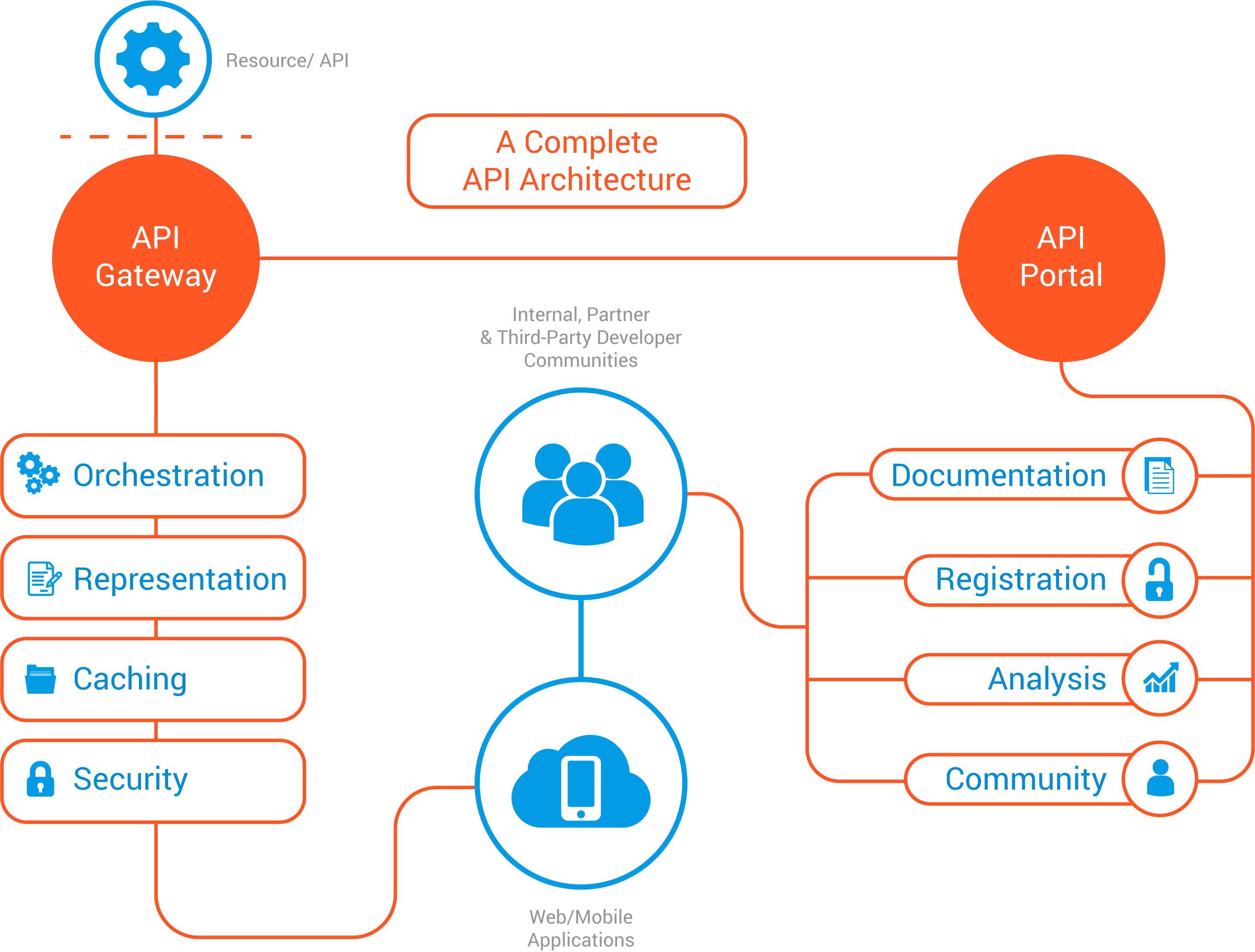
Connect your aggregated usage data to a billing provider like Stripe Billing or Chargebee. These platforms handle the complex math of tiered pricing, overage fees, and proration. Your middleware should send a daily "usage report" to the billing API, which then generates the invoice. This separation of concerns ensures that your core API performance is not impacted by billing calculations. Verify the data sync daily to catch any missed events.
Transparency builds trust. Provide a self-service portal where customers can view their real-time usage against their limits. This reduces support tickets regarding unexpected charges. Use the same data pipeline feeding your billing engine to populate these dashboards. If a customer sees they are at 90% of their limit, they can upgrade their plan proactively, increasing your lifetime value.
Implementing this system requires careful attention to data accuracy. A single missed log entry can lead to revenue leakage or customer disputes. Start with a pilot group of trusted customers to validate your metering logic before rolling it out broadly.
Avoid common pricing mistakes
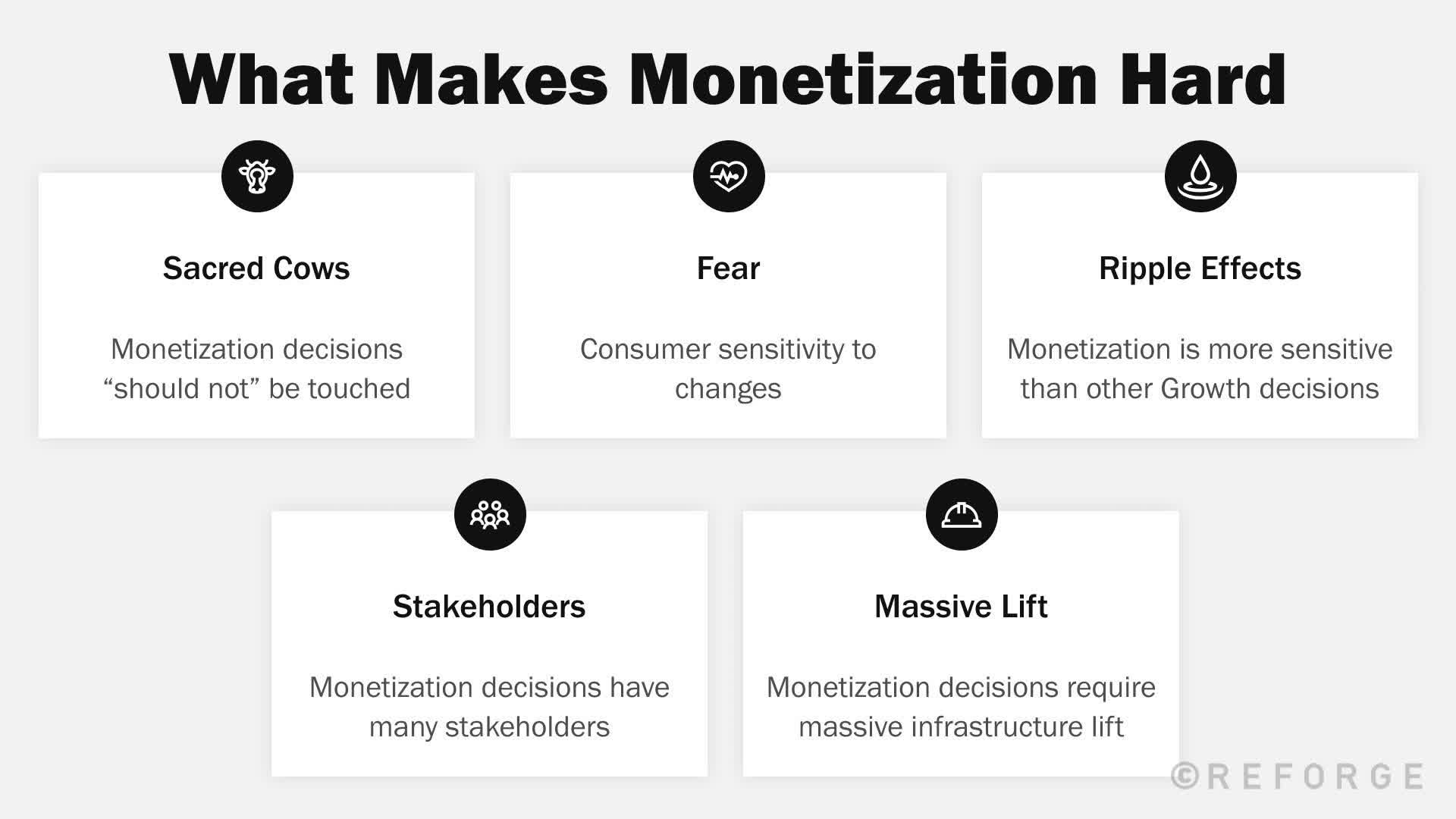
Pricing middleware is often less about the code and more about the psychology of value. When you get it wrong, churn spikes and developer trust evaporates. The most frequent errors stem from misaligning your pricing model with the actual cost of delivering data or the perceived value to the end user.
Underpricing data freshness
API consumers rarely pay for raw data; they pay for relevance. If your middleware aggregates or transforms real-time feeds, pricing based on static historical value is a mistake. You must account for the latency and compute required to keep data current. Static paywalls that ignore freshness often fail to capture the premium users are willing to pay for live insights. Successful models in 2026 are moving beyond simple tiered access to dynamic pricing that reflects data age and velocity.
Overcomplicating the checkout flow
Developer adoption hinges on frictionless integration. If your pricing page requires a phone call, a custom contract, or a confusing calculator to understand costs, you will lose leads. Keep your pricing tiers transparent and aligned with usage metrics like API calls or data volume. A complex checkout process signals that your product is enterprise-heavy and difficult to use, deterring the mid-market segment that drives volume.
Ignoring the cost of support
Middleware often requires more hand-holding than simple SaaS products. If your pricing does not account for the support burden, your margins will erode. Include clear boundaries in your tiers: self-service for lower tiers, and dedicated support for higher ones. This protects your engineering team from being overwhelmed by basic integration questions.
Failing to cap unlimited plans
"Unlimited" plans sound attractive but can destroy your unit economics if usage spikes unexpectedly. Always include fair-use policies or hard caps with overage fees. This protects your infrastructure costs while still offering the psychological comfort of "unlimited" access for moderate users.
Validate your revenue assumptions
Before committing to a full launch, you need to prove that your pricing model actually converts. Beta testing with a controlled group of API consumers allows you to gather real-world data on conversion rates, churn, and willingness to pay without risking your entire user base.
1. Select a representative beta cohort
Invite 50–100 developers who match your target persona. Avoid internal teams or friends; they will skew your data. Use platforms like Stripe Billing or Paddle to set up isolated test environments where you can track usage and payments independently from your production API.
2. A/B test pricing tiers
Split your beta group into segments to test different pricing structures. For example, one group might see a flat monthly fee, while another sees a pay-per-call model. Monitor which group shows higher retention and lower support tickets. According to industry analysis, successful apps in 2026 are moving beyond static paywalls toward flexible, usage-based models that adapt to customer needs Business of Apps.
3. Iterate based on conversion data
Review the metrics after two weeks. If conversion is low, your price point may be too high or your value proposition unclear. If churn is high, you may be over-promising. Adjust your pricing tiers and feature gates accordingly. Document every change and the resulting impact on revenue per user (ARPU).
4. Finalize your launch pricing
Once you have a stable conversion rate and positive feedback, lock in your pricing structure. Ensure your billing infrastructure can handle the expected load. Prepare clear documentation for your full launch, explaining the value behind each tier to minimize support inquiries.
Finalize your monetization checklist
Before launching your API middleware, ensure every technical and business component is locked in. A robust monetization infrastructure prevents revenue leakage and ensures compliance with industry standards. Use the following pre-launch checklist to verify your setup.
-
Verify billing gateway integration with Stripe or Braintree for automated invoicing.
-
Configure usage-based metering to accurately track API calls per tier.
-
Set up rate limiting to prevent abuse and protect service stability.
-
Define clear error codes for billing disputes and quota exceeded events.
-
Test webhook delivery for successful payments and failed transactions.
-
Document pricing tiers and terms of service for developer transparency.
Frequently asked: what to check next
How do I choose the right API middleware pricing model?
Start by matching your revenue goal to the model that aligns with customer usage patterns. If your users consume data in predictable bursts, a flat-rate subscription reduces friction. For variable workloads, usage-based pricing ensures customers only pay for what they actually consume, which often leads to higher long-term retention.
What is the difference between freemium and tiered pricing for APIs?
Freemium offers a free, limited version to acquire users, relying on conversion to paid plans later. Tiered pricing presents multiple paid levels upfront, each with distinct feature sets or rate limits. Tiered models are often easier to manage operationally, while freemium requires a robust funnel to convert free users into revenue.
Can I combine multiple pricing strategies for my middleware?
Yes, hybrid models are common in 2026. You might charge a base subscription for access and then add overage fees for usage beyond a certain threshold. This approach balances predictable recurring revenue with the ability to capture value from high-volume enterprise clients.
How do I handle billing for variable API usage?
Implement real-time usage tracking and transparent dashboards so customers can monitor their consumption. Partner with a billing provider that supports metered billing to automate invoicing based on actual API calls or data processed. This transparency builds trust and reduces billing disputes.
What are the most common mistakes in API monetization?
The biggest error is hiding costs or using opaque pricing structures. Customers expect clarity on rate limits, overage fees, and support levels. Additionally, failing to account for infrastructure costs in your pricing model can erode margins as usage scales. Always test your pricing with a small group of users before a full launch.
No comments yet. Be the first to share your thoughts!